1. Introduction
This manual provides essential information for the safe and effective operation, maintenance, and troubleshooting of your GEVEELIFE Buffer Polisher. Please read this manual thoroughly before using the product and retain it for future reference.
The GEVEELIFE Buffer Polisher is a versatile tool designed for various applications including car detailing, boat sanding, polishing, and waxing. It features a powerful 1600W motor, 7 variable speed control, and an ergonomic design for comfortable and precise operation.

Figure 1: GEVEELIFE Buffer Polisher and included accessories.
2. Safety Instructions
Always follow basic safety precautions when using electrical appliances to reduce the risk of fire, electric shock, and personal injury.
- Read all instructions: Familiarize yourself with the controls and proper use of the tool.
- Wear appropriate personal protective equipment (PPE): Always wear safety glasses, hearing protection, and a dust mask when operating the polisher.
- Secure workpiece: Ensure the item being polished is stable and will not move during operation.
- Maintain a clean work area: Cluttered areas invite accidents.
- Avoid dangerous environments: Do not use power tools in damp or wet locations, or expose them to rain. Keep work area well lit.
- Keep children away: Do not let visitors contact the tool or extension cord. All visitors should be kept away from the work area.
- Store idle tools: When not in use, tools should be stored in a dry, high, or locked-up place, out of reach of children.
- Do not force tool: It will do the job better and safer at the rate for which it was designed.
- Use the right tool: Do not force small tool or attachment to do the job of a heavy-duty tool.
- Dress properly: Do not wear loose clothing or jewelry. They can be caught in moving parts. Rubber gloves and non-skid footwear are recommended when working outdoors. Wear protective hair covering to contain long hair.
- Do not overreach: Keep proper footing and balance at all times.
- Disconnect tools: Disconnect the tool from the power supply when not in use, before servicing, or when changing accessories.
- Avoid accidental starting: Ensure the switch is in the OFF position before plugging in.
- Use proper extension cords: Ensure your extension cord is in good condition and is suitable for outdoor use if applicable.
- Stay alert: Watch what you are doing, use common sense. Do not operate tool when you are tired.
- Check for damaged parts: Before further use of the tool, a guard or other part that is damaged should be carefully checked to determine that it will operate properly and perform its intended function. Check for alignment of moving parts, binding of moving parts, breakage of parts, mounting, and any other conditions that may affect its operation. A guard or other part that is damaged should be properly repaired or replaced by an authorized service center unless otherwise indicated elsewhere in this instruction manual.
- Servicing: For safety, servicing should be performed only by a qualified repair person.
3. Package Contents
Upon opening the package, verify that all items listed below are present and undamaged. If any items are missing or damaged, please contact customer support.
- GEVEELIFE Buffer Polisher Unit
- Detachable D-Handle
- Side Handle
- 6/7 inch Backing Plate
- Sandpapers (various grits)
- Foam Pads (fine and coarse, various colors)
- Wool Polishing Pads
- Wrench for backing plate attachment
- Storage Bag
Figure 2: All components included in the GEVEELIFE Buffer Polisher package.
4. Specifications
Technical specifications for the GEVEELIFE Buffer Polisher:
| Feature | Specification |
|---|---|
| Model Number | PGJ-Blue |
| Power Source | Corded Electric |
| Maximum Power | 1600 Watts |
| Voltage | 12 Volts |
| Variable Speed Range | 1000-3500 RPM |
| Item Weight | 2.04 kg (approx. 4.5 lbs) |
| Color | Blue |
| Material | Metal |
| Compatible Disc Caliber | M14 (Not for 5/8-11 caliber) |
Note: The provided specification lists Voltage as 12 Volts. For a 1600W corded electric tool, typical operating voltages are 120V or 240V. Please refer to the product label for the exact voltage requirements for your region.

Figure 3: Illustration of the 1600W powerful motor.
5. Setup and Assembly
Before first use, assemble the necessary components as described below.
5.1 Attaching Handles
The polisher supports multiple handle configurations for user comfort and control:
- D-Handle: Attach the D-handle to the designated mounting points on the top of the polisher. Secure it firmly with the provided screws/bolts.
- Side Handle: The side handle can be screwed into either side of the polisher's head, allowing for left or right-handed use.
- No-Handle: For certain applications, the polisher can be used without an additional handle, relying on the main body grip.

Figure 4: Different handle configurations for ergonomic use.
5.2 Attaching the Backing Plate and Pads
- Ensure the polisher is unplugged before attaching or changing pads.
- Press and hold the spindle lock button located on the polisher head.
- Screw the 6/7 inch backing plate onto the spindle. Use the provided wrench to tighten it securely.
- Attach the desired polishing pad (foam, wool, or sandpaper) to the backing plate. Most pads use a hook-and-loop (Velcro-style) attachment system. Ensure it is centered and firmly attached.

Figure 5: Key components including the spindle lock and backing plate.

Figure 6: Various types of pads for different applications.
6. Operating Instructions
Follow these steps for safe and effective operation of your polisher.
6.1 Powering On and Off
- Ensure the polisher is properly assembled and the desired pad is attached.
- Plug the power cord into a suitable electrical outlet.
- To turn on the polisher, press the power switch.
- To maintain a continuous speed without holding the trigger, engage the safety switch lock button. This reduces user fatigue during extended use.
- To turn off the polisher, release the power switch or disengage the safety switch lock.
6.2 Variable Speed Control
The GEVEELIFE Buffer Polisher features a 7-speed control dial, allowing you to adjust the RPM from 1000 to 3500 RPM for precise control over various tasks.
- Speeds 1-2 (1000-1500 RPM): Ideal for delicate tasks such as waxing and buffing, where lower heat generation and gentle application are required.
- Speeds 3-4 (1500-2500 RPM): Suitable for general polishing and cleaning, providing a balance of speed and control.
- Speeds 5-7 (2500-3500 RPM): Recommended for more aggressive tasks like removing paint defects, heavy oxidation, and sanding, requiring higher rotational speed for effective material removal.

Figure 7: The 7 variable speed control dial for precise RPM adjustment.
6.3 Adjustable Grip Handle
The polisher features a 180° adjustable grip handle, allowing you to position it for optimal comfort and access to different angles and corners during polishing.
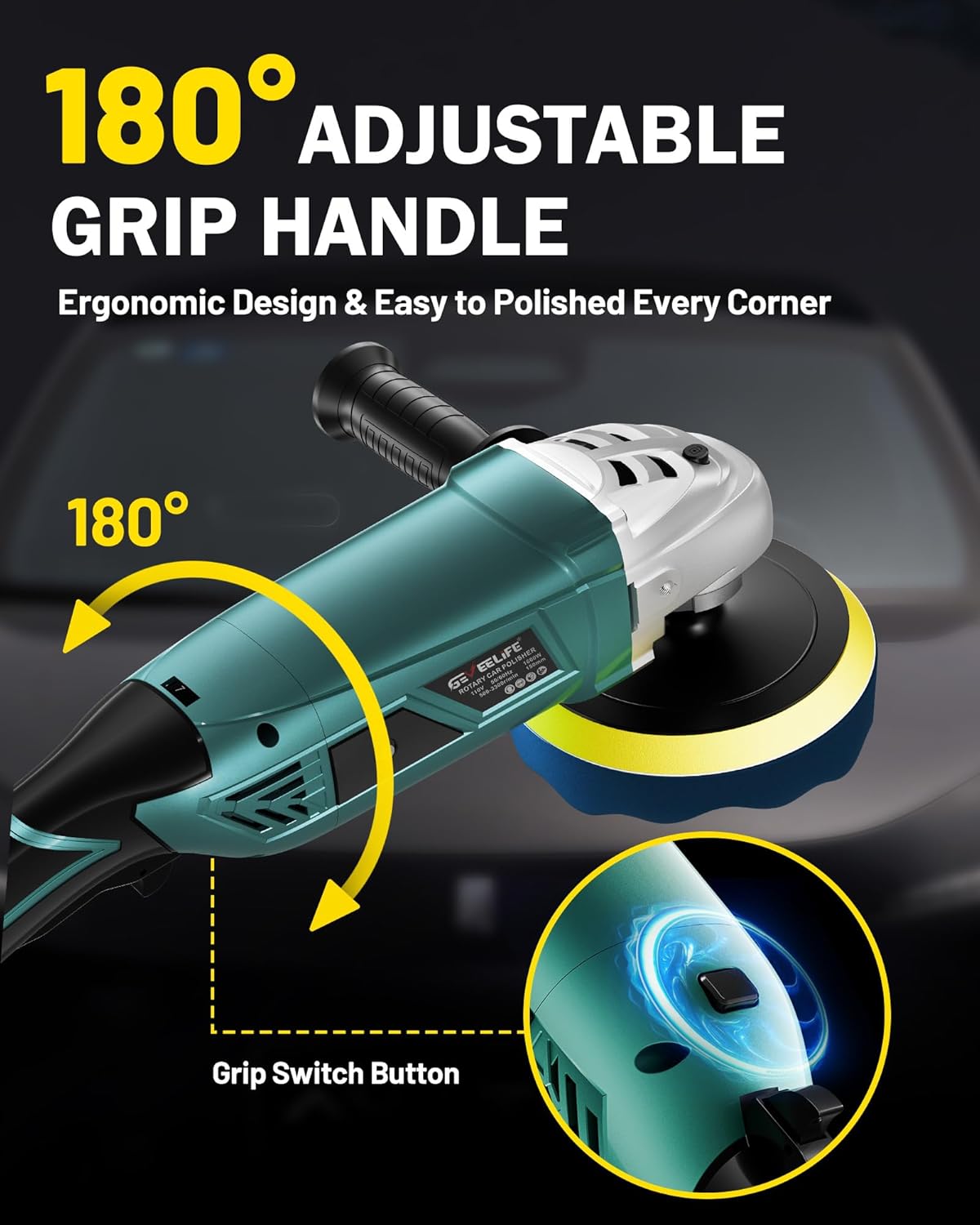
Figure 8: The 180° adjustable grip handle for enhanced ergonomics.
6.4 Applications
This polisher is suitable for a wide range of applications:
- Sanding surfaces (with appropriate sandpaper attachments).
- Removing swirls, scratches, and defects on painted vehicle surfaces.
- Applying wax and sealants to automotive and marine finishes.
- Polishing furniture, ceramics, wood, and metal surfaces.
7. Maintenance
Regular maintenance ensures the longevity and optimal performance of your polisher.
7.1 Cleaning
- Always unplug the tool before cleaning.
- Wipe down the exterior of the polisher with a clean, damp cloth. Do not use harsh chemicals or abrasive cleaners.
- Clean polishing pads thoroughly after each use. Foam pads can be washed with mild soap and water, then air-dried. Wool pads may require specialized cleaning.
- Ensure ventilation openings are clear of dust and debris to prevent overheating.
7.2 Carbon Brush Inspection
The polisher features a built-in carbon brush structure designed for long service life. Periodically inspect the carbon brushes for wear. If the tool experiences reduced power or intermittent operation, the carbon brushes may need replacement. This should be performed by a qualified service technician.
7.3 Storage
Store the polisher in a clean, dry place, out of reach of children and away from direct sunlight or extreme temperatures. Use the provided storage bag for protection.
8. Troubleshooting
If you encounter issues with your GEVEELIFE Buffer Polisher, refer to the following common problems and solutions:
| Problem | Possible Cause | Solution |
|---|---|---|
| Polisher does not turn on. | No power supply; Faulty power cord/plug; Defective switch. | Check power outlet and cord connection. Test outlet with another device. Inspect power cord for damage. If issues persist, contact customer support. |
| Reduced power or intermittent operation. | Worn carbon brushes; Overheating; Loose connections. | Allow tool to cool down. Inspect carbon brushes (if accessible and user-serviceable, otherwise contact service). Check all connections. |
| Excessive vibration or noise. | Improperly attached pad/backing plate; Damaged backing plate/pad; Internal mechanical issue. | Ensure pad and backing plate are securely and centrally attached. Replace damaged pads/backing plates. If noise persists, discontinue use and contact support. |
| Tool overheats quickly. | Blocked ventilation; Prolonged heavy use; Motor overload. | Clear all ventilation openings. Reduce load or operating time. Allow tool to cool down between uses. |
For problems not listed above or if solutions do not resolve the issue, please contact GEVEELIFE customer support.
9. Warranty and Support
This product is covered by a return policy allowing for refund or replacement within 30 days of purchase. For specific warranty terms and conditions, please refer to the documentation provided at the time of purchase or contact your retailer.
For technical assistance, parts, or service inquiries, please contact GEVEELIFE customer support through the retailer where the product was purchased or visit the official GEVEELIFE website for contact information.


