Introduction
This manual provides essential information for the proper installation, operation, and maintenance of your MGHOME EJBR03301D Fuel Injector. Please read these instructions carefully before proceeding with installation or use to ensure optimal performance and safety. This fuel injector is specifically designed for JMC Transit 2.8L engines.
Product Overview
The MGHOME EJBR03301D is a high-quality fuel injector designed to deliver precise fuel atomization into the engine's combustion chamber. Constructed from durable ABS and metal materials, it ensures stable characteristics and high reliability. This component is a direct replacement part, engineered for a perfect match with the original vehicle specifications, facilitating easy installation and replacement.
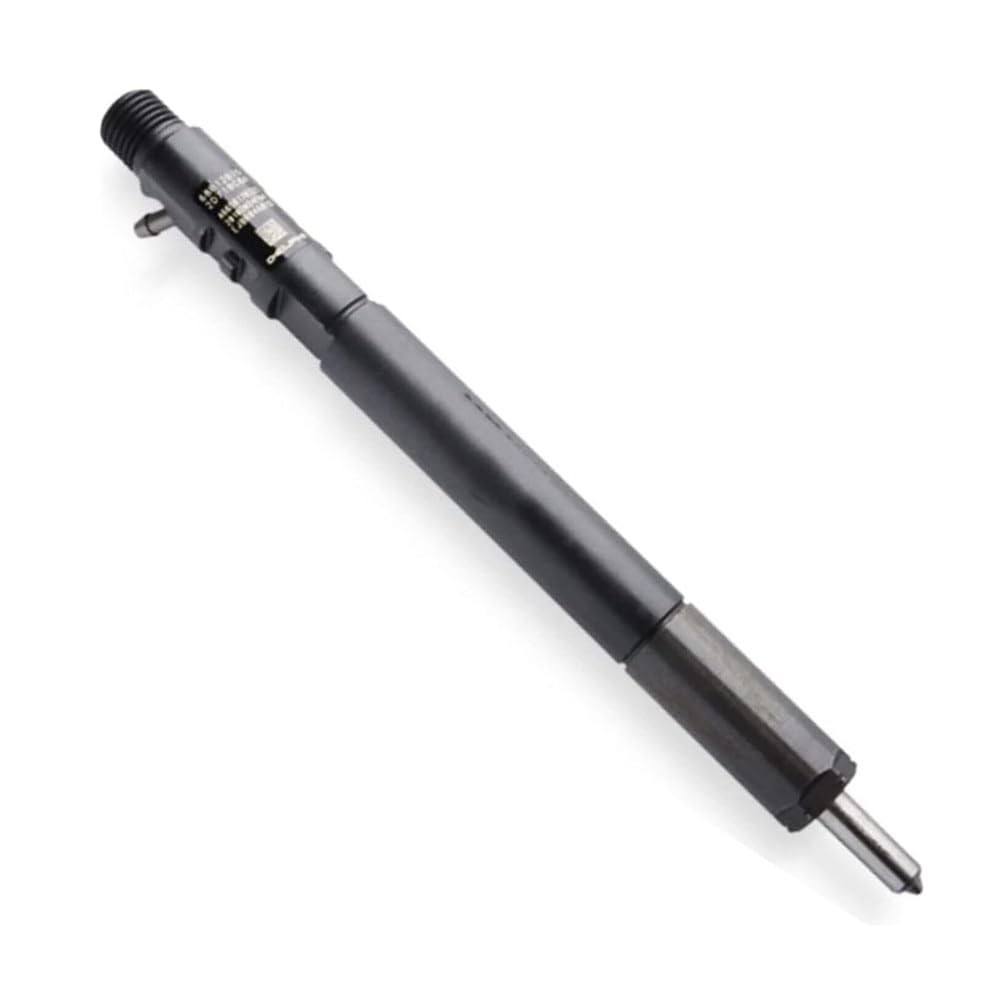
Figure 1: MGHOME EJBR03301D Fuel Injector. This image displays the complete fuel injector unit, showing its cylindrical body, the threaded connection point, and the nozzle tip.
Compatibility
This fuel injector (Part Number: EJBR03301D) is compatible with the following vehicle model:
- JMC Transit 2.8L
Before installation, always verify the part number (EJBR03301D) against your vehicle's existing part or manufacturer specifications to ensure correct fitment.
Installation (Setup)
Installation of fuel system components requires specialized knowledge and tools. It is highly recommended that this fuel injector be installed by a qualified automotive technician.
General Installation Guidelines:
- Safety First: Disconnect the vehicle's battery and relieve fuel system pressure before beginning any work. Ensure the work area is well-ventilated and free from ignition sources.
- Preparation: Carefully remove the old fuel injector, noting the position of all seals and connectors. Clean the injector port thoroughly to remove any debris or carbon buildup.
- New Injector Preparation: Inspect the new MGHOME EJBR03301D fuel injector for any damage. Ensure all O-rings and seals are correctly seated. Lubricate O-rings with a small amount of clean engine oil or specialized lubricant to aid installation and prevent damage.
- Installation: Carefully insert the new injector into its port. Ensure it is fully seated and properly aligned. Avoid forcing the injector, as this can damage the O-rings or the injector itself.
- Connections: Reconnect the fuel line and electrical connector to the injector. Ensure all connections are secure and free from leaks.
- System Check: Reconnect the battery. Cycle the ignition several times without starting the engine to allow the fuel pump to prime the system and check for leaks. Start the engine and inspect for any fuel leaks or abnormal operation.
Refer to your vehicle's service manual for specific torque specifications and detailed procedures.
Operation
A fuel injector is a critical component of your vehicle's fuel delivery system. Its primary function is to atomize fuel and spray it into the engine's intake manifold or directly into the combustion chamber, depending on the engine design. The Engine Control Unit (ECU) precisely controls the timing and duration of the injector's opening, ensuring the correct air-fuel mixture for efficient combustion, optimal engine performance, and reduced emissions.
Once installed, the MGHOME EJBR03301D fuel injector operates automatically as part of the engine management system, requiring no direct user interaction during vehicle operation.
Maintenance
Fuel injectors are generally designed to be maintenance-free for their operational lifespan. However, certain practices can help prolong their effectiveness and prevent premature failure:
- Use Quality Fuel: Always use high-quality, clean fuel from reputable sources. Contaminants in fuel can clog or damage injector nozzles.
- Regular Fuel Filter Replacement: Ensure your vehicle's fuel filter is replaced according to the manufacturer's recommended schedule. A clean fuel filter prevents debris from reaching the injectors.
- Avoid Fuel Additives (Unless Recommended): Use fuel system cleaners or additives only if recommended by your vehicle manufacturer or a trusted mechanic. Some additives can be detrimental to fuel system components.
- Address Engine Issues Promptly: Any signs of engine misfires, rough idling, or decreased fuel economy should be investigated promptly, as these can indicate injector issues.
Troubleshooting
If you experience issues after installing the fuel injector or suspect a problem with your fuel system, consider the following common symptoms and potential causes:
| Symptom | Possible Cause | Action |
|---|---|---|
| Engine Misfire / Rough Idling | Clogged or faulty injector, poor electrical connection. | Check electrical connector, inspect for fuel leaks, consider professional diagnosis. |
| Decreased Fuel Economy | Leaking or improperly spraying injector. | Professional diagnostic scan to identify faulty injector. |
| Check Engine Light (CEL) | Injector circuit malfunction, misfire detection. | Retrieve diagnostic trouble codes (DTCs) using an OBD-II scanner. |
| Fuel Leakage | Improperly seated O-rings, damaged injector body, loose fuel line connection. | Immediately shut off engine. Inspect connections and O-rings. Seek professional assistance. |
For complex issues, professional diagnostic services are recommended.
Specifications
| Feature | Detail |
|---|---|
| Part Number | EJBR03301D |
| Brand | MGHOME |
| Manufacturer | MGHOME |
| Applicable Models | JMC Transit 2.8L |
| Material | High-quality ABS & Metal finish |
| ASIN | B0CCMDX5CB |
| Date First Available | July 23, 2023 |
Warranty and Support
This product is tested before shipping to ensure safety, stability, and durability. For specific warranty information or technical support, please contact the seller directly through your purchase platform. When contacting support, please provide your purchase details and the product's part number (EJBR03301D) for efficient assistance.


