
1. Product Overview
The TP-Link ER707-M2 is an Omada Multi-Gigabit VPN Router designed for high-performance networking environments. It features dual 2.5 Gigabit WAN ports, a Gigabit SFP WAN/LAN port, and multiple Gigabit RJ45 WAN/LAN ports, providing flexible connectivity and high-bandwidth aggregation. This router integrates seamlessly with the Omada SDN Controller for centralized management and offers robust security features including an SPI Firewall and various VPN protocols.
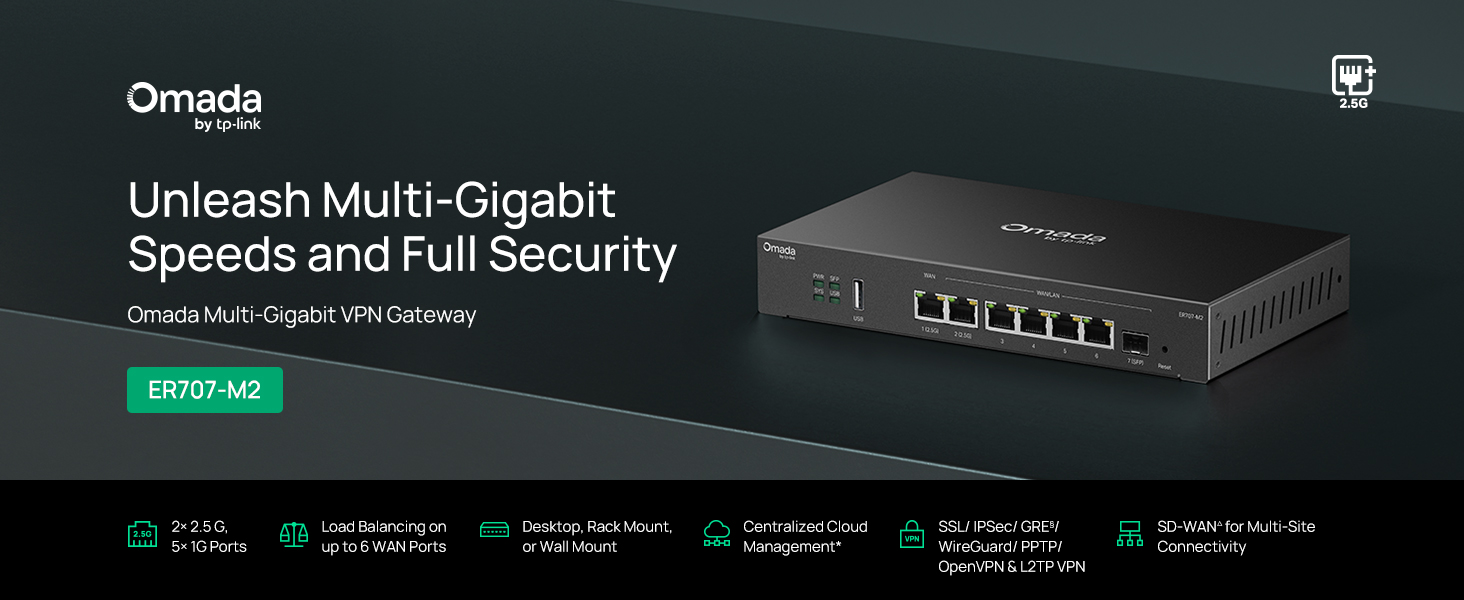
Figure 1: Front view of the ER707-M2 router, highlighting its ports and indicators.
Key Features:
- Flexible Port Configuration: Includes 1x 2.5Gigabit WAN Port, 1x 2.5Gigabit WAN/LAN Port, 4x Gigabit WAN/LAN Ports, 1x Gigabit SFP WAN/LAN Port, and 1x USB 2.0 Port.
- High-Performance Network Capacity: Supports up to 500,000 concurrent sessions and over 1000 clients.
- Cloud Access: Centralized cloud management via Omada app and web interface.
- Highly Secure VPN: Supports up to 100 LAN-to-LAN IPsec, 66 OpenVPN, 60 L2TP, and 60 PPTP VPN connections.
- Advanced Security: Features SPI Firewall, Policy-based Firewall, Static Routing, Policy Routing, Multi-net DHCP, Guest Portal, and VLAN support.
- Load Balance & Link Backup: Optimizes multi-line broadband efficiency and reliability.
- USB 2.0 Port: Supports USB storage and LTE backup with a compatible LTE dongle.
2. Package Contents
Verify that your package contains the following items:
- TP-Link ER707-M2 Omada Multi-Gigabit VPN Router
- Power Adapter
- Quick Installation Guide
If any item is missing or damaged, please contact your reseller or TP-Link support.
3. Setup
3.1 Hardware Installation
- Power Connection: Connect the provided power adapter to the router's power input and then to a power outlet.
- WAN Connection: Connect your modem or internet service provider's device to one of the WAN ports (e.g., WAN1 2.5G or WAN/LAN2 2.5G) using an Ethernet cable. For fiber connections, use the SFP port with a compatible SFP module.
- LAN Connection: Connect your local network devices (e.g., computers, switches, Omada Access Points) to the LAN ports (WAN/LAN2-6) using Ethernet cables.
- USB Device (Optional): If using a USB storage device or an LTE dongle for backup, insert it into the USB 2.0 port.
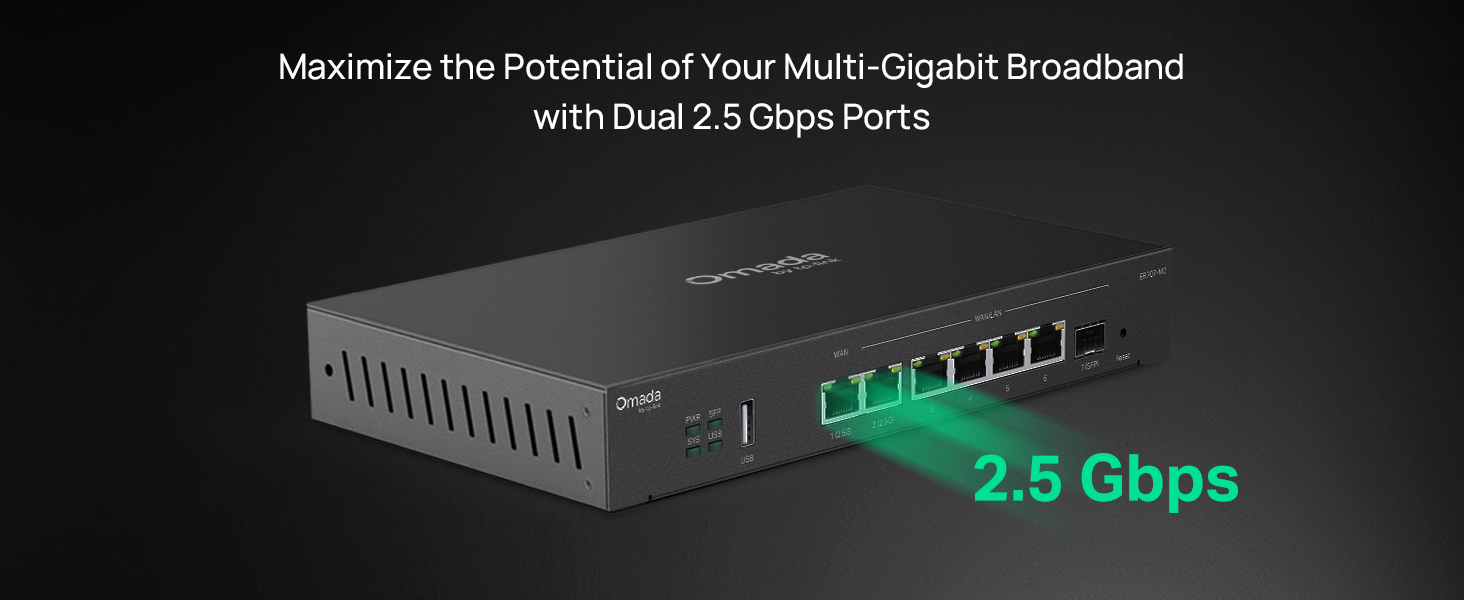
Figure 2: Illustration of the router's 2.5 Gbps ports for high-speed connectivity.
3.2 Initial Configuration
The ER707-M2 can be managed via the Omada SDN Controller or through its local web interface.
- Connect to the Router: Ensure your computer is connected to one of the router's LAN ports.
- Access Web Interface: Open a web browser and enter the default IP address (usually
192.168.0.1or192.168.1.1) in the address bar. Refer to the Quick Installation Guide for the exact default IP and login credentials. - Follow Setup Wizard: The first time you log in, a setup wizard will guide you through basic internet connection settings, changing the default password, and configuring Wi-Fi (if applicable).
- Omada SDN Integration (Optional): For centralized management, adopt the router into your Omada SDN Controller. This allows for remote management and unified control of your network devices.
4. Operating Instructions
4.1 Network Configuration
The router offers extensive configuration options for your network:
- WAN Settings: Configure WAN ports for different connection types (Dynamic IP, Static IP, PPPoE).
- LAN Settings: Manage IP addresses, DHCP server, and VLANs for your local network segments.
- Multi-WAN Load Balancing: Distribute internet traffic across multiple WAN connections to optimize bandwidth and provide redundancy.
- Link Backup: Configure a secondary WAN connection (e.g., via LTE dongle) to automatically take over if the primary connection fails.
4.2 VPN Functionality
The ER707-M2 supports various VPN protocols for secure remote access and site-to-site connectivity.
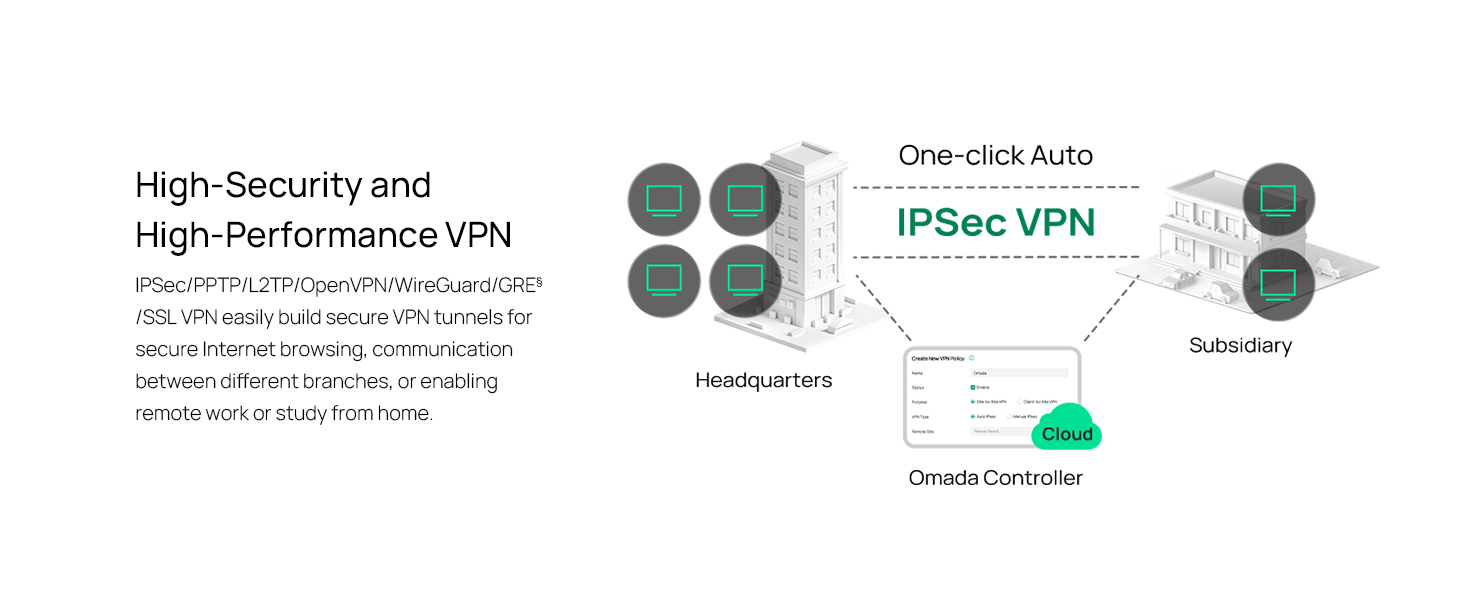
Figure 3: Visual representation of a secure VPN tunnel setup.
- IPsec VPN: Establish secure tunnels between networks (e.g., office to branch office).
- OpenVPN/SSL VPN: Provide secure remote access for individual users.
- PPTP/L2TP VPN: Legacy VPN protocols for various client connections.
4.3 Security Features
The router includes advanced security measures to protect your network:
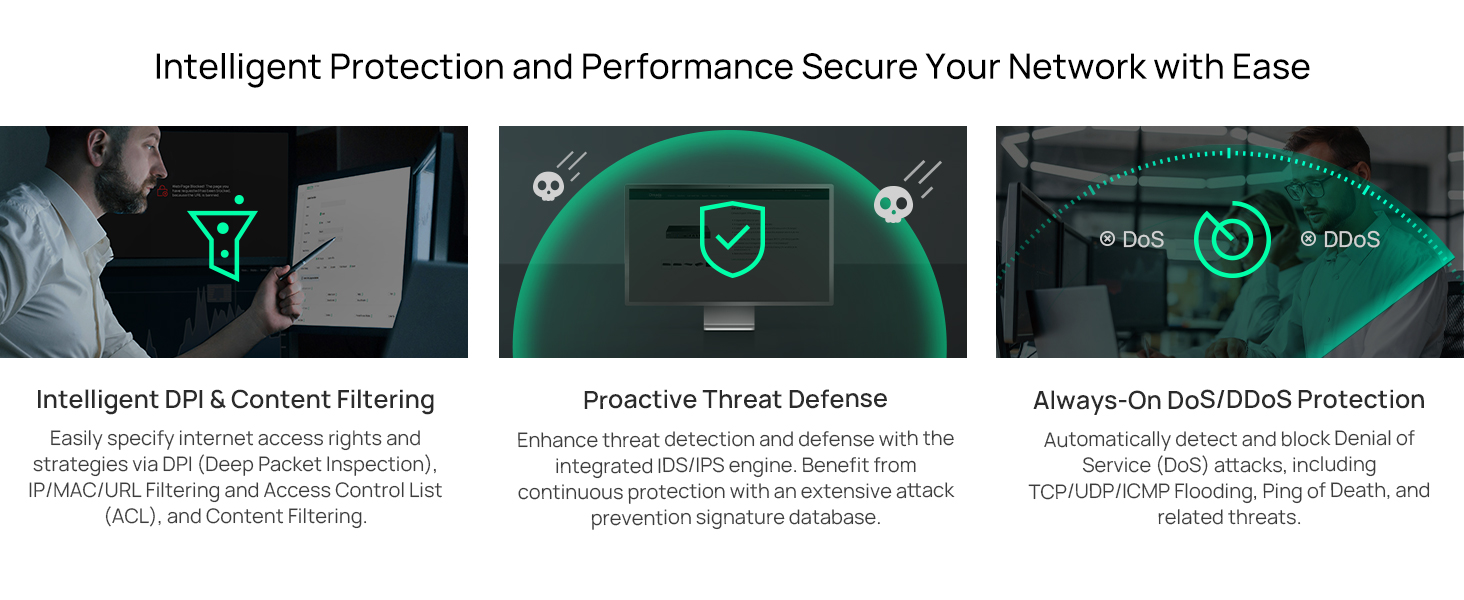
Figure 4: Overview of intelligent protection and performance features.
- SPI Firewall: Stateful Packet Inspection firewall for network protection.
- Policy-based Firewall: Define rules to control network traffic based on specific criteria.
- DoS/DDoS Protection: Defend against Denial of Service and Distributed Denial of Service attacks.
- Access Control List (ACL): Manage network access for specific devices or users.
4.4 Omada SDN Integration
The ER707-M2 is part of the Omada Software-Defined Networking (SDN) solution, allowing for centralized management of your entire network.

Figure 5: How the ER707-M2 integrates into an Omada SDN network.
- Centralized Management: Manage the router, access points, and switches from a single interface via the Omada Controller (hardware or software).
- Remote Access: Access and manage your network from anywhere using the Omada app or cloud portal.
- Seamless Scalability: Easily expand your network by adding more Omada devices.
5. Maintenance
To ensure optimal performance and security of your ER707-M2 router, regular maintenance is recommended:
- Firmware Updates: Periodically check the TP-Link official website for the latest firmware versions. Updating firmware can improve performance, add new features, and fix security vulnerabilities.
- Configuration Backup: Regularly back up your router's configuration settings. This allows for quick restoration in case of accidental changes or system issues.
- Physical Inspection: Ensure the router is placed in a well-ventilated area, free from dust and obstructions. Check cable connections for secure fit.
- Security Review: Periodically review your firewall rules, VPN settings, and access control lists to ensure they meet your current security requirements.
6. Troubleshooting
If you encounter issues with your ER707-M2 router, consider the following troubleshooting steps:
- No Internet Access:
- Check all cable connections (WAN, LAN, Power).
- Verify your modem or ISP device is working correctly.
- Confirm WAN settings in the router's web interface are correct.
- Restart the modem, then the router, and then your connected devices.
- Cannot Access Web Management Page:
- Ensure your computer is connected to a LAN port of the router.
- Verify your computer's IP address is in the same subnet as the router (e.g., if router is 192.168.0.1, computer should be 192.168.0.x).
- Try clearing your browser's cache or using a different browser.
- If the issue persists, perform a factory reset (see below).
- Slow Network Speed:
- Check your internet service provider's speed.
- Ensure all cables are Cat5e or higher for Gigabit/2.5Gig connections.
- Monitor network usage to identify bandwidth-intensive applications or devices.
- Verify duplex settings on connected devices and router ports.
- Factory Reset: If all else fails, you can restore the router to its factory default settings. Locate the Reset button on the router (often a small pinhole button), press and hold it for about 5-10 seconds until the system LED blinks, then release. This will erase all custom configurations.
7. Specifications
| Feature | Detail |
|---|---|
| Brand | TP-Link |
| Model Name | ER707-M2 |
| Connectivity Technology | Ethernet |
| Number of Ports | 6 (1x 2.5G WAN, 1x 2.5G WAN/LAN, 4x Gigabit WAN/LAN, 1x Gigabit SFP WAN/LAN, 1x USB 2.0) |
| LAN Port Bandwidth | 10/100/1000/2500 Mbps |
| Data Transfer Rate | 2500 Megabits Per Second |
| Maximum Upstream Data Transfer Rate | 5000 Megabits Per Second |
| Security Protocol | SSL, IPSec, GRE, SSH, IKEv1/v2, PPTP, L2TP, OpenVPN |
| Control Method | App, Web Interface |
| Operating System | ZyNOS (TP-Link Omada) |
| Item Weight | 1.1 Kilograms |
| Item Dimensions (L x W x H) | 12.9"L x 9.5"W x 3.1"H |
8. Warranty Information
The TP-Link ER707-M2 Omada Multi-Gigabit VPN Router is backed by an industry-leading 5-year manufacturer's warranty. This warranty covers defects in materials and workmanship under normal use. Please retain your proof of purchase for warranty claims.
9. Support
For technical assistance, product information, or warranty inquiries, please contact TP-Link support:
- Phone Support: (866) 225-8139 (Available Monday to Friday, 6am to 6pm PST)
- Product Website: myproducts.tp-link.com/us
- Email Support: support.USA@tp-link.com


