
1. Introduction
This manual provides essential information for the installation, function, and maintenance of your uxcell Engine Crankcase Vent Valve, model 06F129101R. This component is crucial for maintaining proper engine ventilation and preventing issues related to oil consumption and emissions.
The PCV (Positive Crankcase Ventilation) valve regulates the flow of crankcase gases, ensuring they are re-routed back into the engine's intake manifold to be burned, rather than being released into the atmosphere. This helps to reduce emissions and prevent sludge buildup within the engine.

Image 1.1: The uxcell Engine Crankcase Vent Valve (highlighted) installed in an engine compartment.
2. Product Features
- Durable Construction: Made from robust plastic material, designed for wear resistance, corrosion resistance, and extended service life.
- Integrated Valve: Features a built-in valve to ensure original performance and efficient crankcase ventilation.
- Secure Sealing: Includes a gasket to ensure a tight seal, preventing oil leakage and maintaining engine integrity.
- Precise Fit: Engineered to exact specifications for a direct replacement.

Image 2.1: The PCV valve highlighting its durable plastic construction and integrated valve design.
3. Functions and Benefits
A properly functioning PCV valve is essential for engine health and performance. This valve helps to:
- Reduce Oil Consumption: Addresses issues related to excessive oil consumption.
- Prevent Engine Icing and Poor Combustion: Avoids icing at the throttle body and insufficient combustion, which can lead to engine misfires and reduced efficiency.
- Improve Emissions: Prevents blow-by gases from escaping into the atmosphere, contributing to cleaner exhaust and environmental compliance.
- Protect Engine Components: Safeguards the PCV system from exhaust gases that cannot be discharged from the crankcase, preventing pressure buildup.
- Prevent Oil Contamination: The included gasket prevents oil leakage and the mixing of engine oil with other fluids.

Image 3.1: Visual representation of why regular inspection and replacement of the PCV valve are necessary for optimal engine function.
4. Compatibility
This PCV valve (OE Number: 06F129101R) is compatible with various 2.0L Audi and Volkswagen models. Please verify the OE number and your vehicle's specifications before purchase to ensure proper fitment.
Compatible Models:
- Audi A3 2.0L: 2006-2008
- Audi A4 2.0L: 2005, 2006, 2008
- Volkswagen Golf R 2.0L: 2012-2013
- Volkswagen Jetta 2.0L: 2006
- Volkswagen Jetta GLI 2.0L: 2006
- Volkswagen Passat 2.0L: 2006
Note: This is a non-OEM accessory. Always cross-reference with your vehicle's existing part number for accurate compatibility.
5. Specifications
| Attribute | Detail |
|---|---|
| Brand | uxcell |
| Model Number (OE) | 06F129101R, 06F-129-101-R, 06F129101C, 06F129101F, 06F129101K, 06F129101L, 06F129101N, 6F129101R |
| Material | Plastic |
| Color | Black |
| Overall Dimensions | 18.7 x 8.6 cm (approximately 7.36 x 3.39 inches) |
| Inlet/Outlet Diameter | 1.9 cm (0.75 inches) and 2.4 cm (0.94 inches) |

Image 5.1: Detailed dimensions of the PCV valve for accurate fitment verification.

Image 5.2: Front view of the PCV valve, showing key dimensions and the OE part number.

Image 5.3: Various angles of the PCV valve, including front, back, and bottom views, for comprehensive inspection.
6. Package Contents
The package includes the following items:
- 1 x Engine Crankcase Vent Valve
- 1 x Gasket
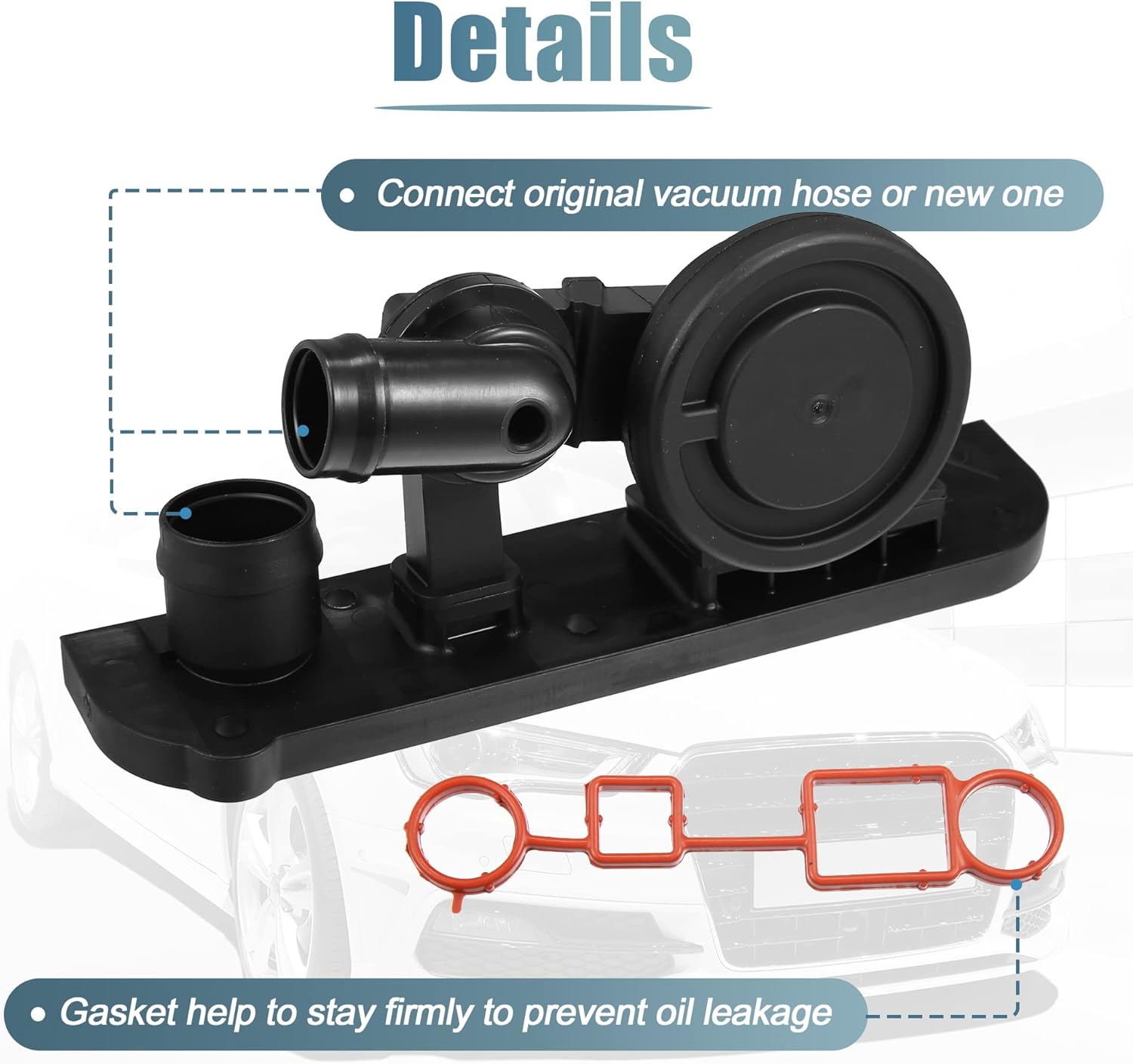
Image 6.1: The PCV valve and its included gasket, ready for installation.
7. Setup and Installation
Installation of the crankcase vent valve typically involves replacing the existing unit. Due to the complexity of engine components, professional installation is recommended. If performing the installation yourself, ensure you have the necessary tools and refer to your vehicle's specific service manual for detailed steps.
General Installation Considerations:
- Safety First: Always ensure the engine is cool and the vehicle is safely supported before beginning any work. Disconnect the battery if necessary.
- Locate the Old Valve: Identify the current PCV valve on your engine. Its location can vary by vehicle model.
- Disconnect Hoses: Carefully disconnect any hoses or electrical connectors attached to the old valve.
- Remove Old Valve: Unfasten and remove the old PCV valve. Be mindful of any clips or bolts.
- Install New Valve: Position the new uxcell PCV valve, ensuring the gasket is correctly seated to prevent leaks. Connect the vacuum hoses or new ones as needed.
- Secure Connections: Ensure all connections are tight and secure.
- Test: After installation, start the engine and check for any leaks or unusual operation.
Important: Connect the original vacuum hose or a new one securely to the valve. The gasket is crucial for preventing oil leakage.
8. Operating Principles
The PCV valve operates as a one-way valve, allowing crankcase gases (blow-by) to be drawn into the intake manifold for re-combustion. This process is vital for:
- Maintaining a slight vacuum in the crankcase, which helps to prevent oil leaks past seals and gaskets.
- Removing harmful unburnt fuel vapors and moisture from the crankcase, which can otherwise contaminate engine oil and lead to sludge formation.
- Ensuring efficient engine operation and reducing environmental pollution.
The valve's internal mechanism adjusts the flow rate of gases based on engine vacuum, ensuring optimal ventilation under various operating conditions.
9. Maintenance
The PCV valve is a wear item and should be inspected periodically as part of routine engine maintenance. A clogged or malfunctioning PCV valve can lead to significant engine problems.
Maintenance Recommendations:
- Regular Inspection: Check the PCV valve and its hoses for cracks, blockages, or signs of oil leakage during oil changes or other routine service.
- Replacement Interval: Consult your vehicle's service manual for recommended PCV valve replacement intervals. Generally, it is advised to replace it every 30,000 to 50,000 miles, or if symptoms of failure appear.
- Cleanliness: Ensure the area around the PCV valve is clean to prevent debris from entering the system.
10. Troubleshooting
A faulty PCV valve can manifest in several ways. If you experience any of the following symptoms, inspect or replace your PCV valve:
- Increased Oil Consumption: A common sign of a failing PCV valve is an increase in engine oil usage.
- Rough Engine Idle: A vacuum leak caused by a faulty PCV valve or hose can lead to a rough or unstable idle.
- Engine Misfires: Insufficient combustion due to improper crankcase ventilation can cause misfires.
- Check Engine Light: In some cases, a malfunctioning PCV valve can trigger the check engine light.
- Oil Leaks: Excessive pressure in the crankcase due to a clogged PCV valve can force oil past seals and gaskets, leading to external oil leaks.
- Sludge Buildup: A clogged valve can lead to moisture and contaminants accumulating in the crankcase, forming sludge.
If troubleshooting these issues, always ensure the replacement part is correct for your vehicle and installed properly.
11. Support
For further assistance or inquiries regarding the uxcell Engine Crankcase Vent Valve, please refer to the uxcell official website or contact their customer support. Always provide your product model number (06F129101R) and vehicle details when seeking support.
You can visit the uxcell store on Amazon for more products and information: uxcell Amazon Store