
1. Product Overview
The Runleader RL-TS003 is a waterproof PT100 temperature sensor designed for accurate temperature measurement in a variety of engine applications. This sensor is compatible with temperature gauges and is suitable for use in environments such as lawn mowers, ATVs, motorcycles, tractors, compressors, generators, snowmobiles, marine vessels, jet skis, and pit bikes. Its robust design ensures reliable performance in demanding conditions.
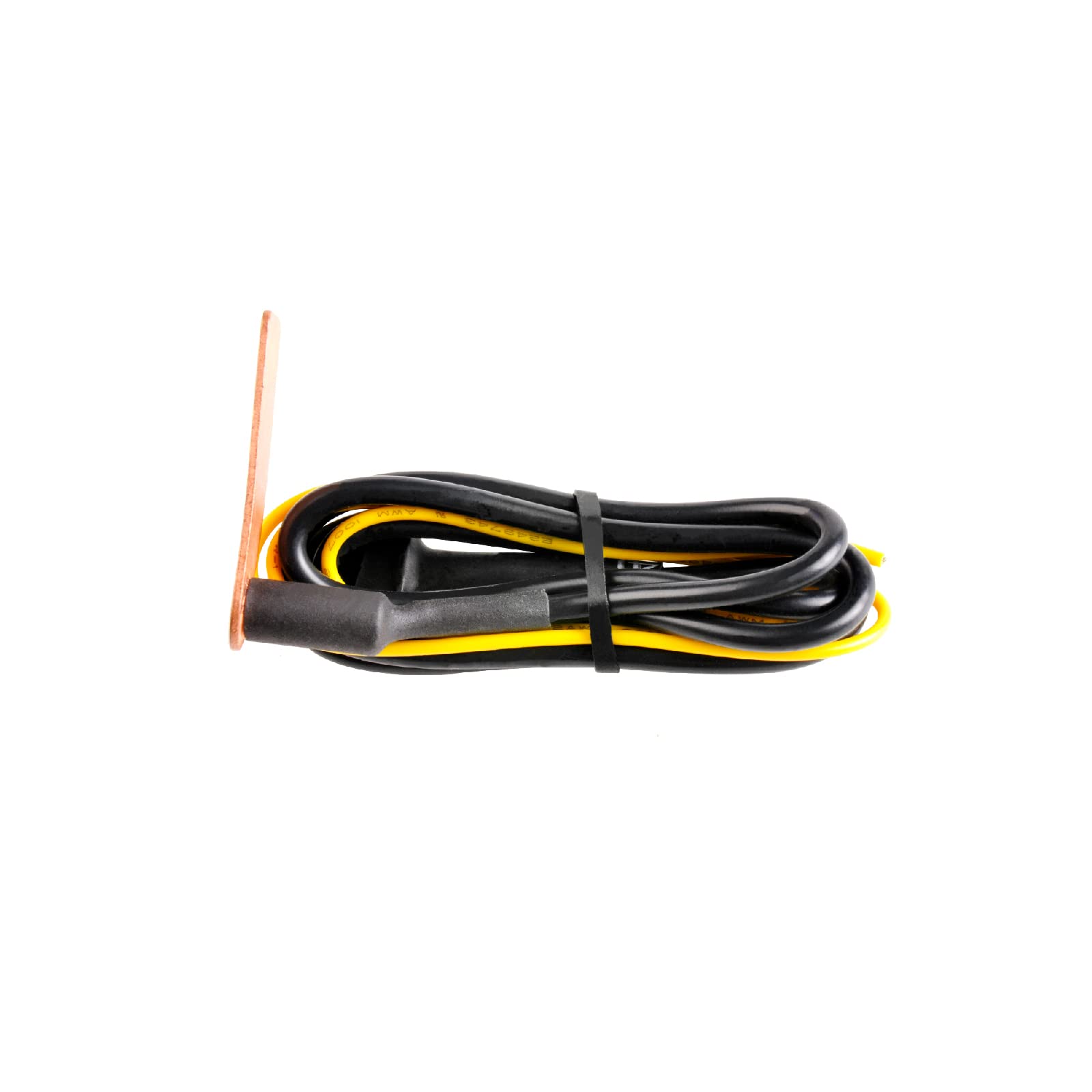
Figure 1.1: Overview of the Runleader RL-TS003 Temperature Sensor, showing the sensor tip and connected wiring.
2. Key Features
- Waterproof Design: Rated IP68 for protection against dust and water ingress, ensuring durability in harsh environments.
- Easy Installation: Designed for straightforward setup and integration into existing systems.
- Wide Application: Suitable for automotive, marine, and outdoor power equipment temperature measurement.
- PT100 Type: Utilizes a PT100 resistance temperature detector for accurate readings.
- Measurement Accuracy: Provides a measurement accuracy of ±0.5%.
3. Specifications
| Specification | Value |
|---|---|
| Model Number | RL-TS003 |
| Sensor Type | PT100 Resistance Temperature Detector |
| Measurement Accuracy | ±0.5% |
| Upper Temperature Rating | 150 °C (302 °F) |
| Waterproof Rate | IP68 |
| Mounting Type | Surface Mount |
| Cable Length | 100 Centimetres (approximately 39.37 inches) |
| Item Weight | 24 g (0.02 Kilograms) |
| Output Type | Resistance |
4. Setup and Installation
Proper installation is crucial for accurate temperature readings and the longevity of the sensor. Follow these general guidelines:
- Identify Mounting Location: Choose a location that accurately reflects the temperature you wish to measure. For engine applications, this is typically near the cylinder head, coolant line, or oil pan, depending on the specific gauge and engine type. Ensure the location is clean and free from obstructions.
- Surface Mounting: The RL-TS003 is designed for surface mounting. Secure the sensor's metal tip firmly against the surface to be measured. This can be achieved using a clamp, strap, or appropriate adhesive designed for high-temperature applications. Ensure good thermal contact.
- Wiring Connection: Connect the sensor's wires to your compatible temperature gauge or monitoring system. Refer to your gauge's instruction manual for specific wiring diagrams. Typically, PT100 sensors use a two-wire, three-wire, or four-wire configuration. The RL-TS003 uses a resistance output, so ensure your gauge is compatible with this type of input.
- Secure Wiring: Route the sensor cable away from moving parts, sharp edges, and high-heat sources. Use cable ties or clips to secure the wiring, preventing damage from vibration or abrasion.
- Test Connection: Before final assembly, perform a preliminary test to ensure the sensor is providing readings to your gauge.

Figure 4.1: Close-up of the RL-TS003 sensor wiring, showing the connection point. Ensure secure and correct wiring to the temperature gauge.

Figure 4.2: The RL-TS003 sensor with its copper-colored tip, designed for optimal thermal contact during surface mounting.
5. Operating Instructions
The Runleader RL-TS003 is a passive temperature sensor. It does not require external power to operate itself, but it must be connected to a compatible temperature gauge or monitoring device that provides the necessary excitation current and interprets the resistance changes.
- Power On: Once installed and connected to a compatible gauge, power on your vehicle or equipment.
- Monitor Readings: The connected temperature gauge will display the temperature detected by the RL-TS003 sensor.
- Normal Operation: Observe the temperature readings during normal operation to establish baseline values.
- Temperature Range: Ensure the operating temperature remains within the sensor's specified upper temperature rating of 150 °C.
Always refer to the instruction manual of your specific temperature gauge for details on its operation, calibration, and alarm settings.
6. Maintenance
The RL-TS003 temperature sensor is designed for minimal maintenance. However, periodic checks can help ensure continued accuracy and performance.
- Visual Inspection: Regularly inspect the sensor and its wiring for any signs of physical damage, corrosion, or wear. Check for loose connections.
- Cleanliness: Ensure the sensor tip and mounting surface are clean and free from dirt, grease, or debris that could impede thermal contact. Use a soft, dry cloth for cleaning. Avoid abrasive cleaners or solvents.
- Connection Integrity: Verify that all electrical connections are secure and free from corrosion.
- Mounting Security: Confirm that the sensor remains firmly mounted to the surface. Re-secure if any looseness is detected.
7. Troubleshooting
If you experience issues with your RL-TS003 temperature sensor, consider the following troubleshooting steps:
- No Temperature Reading:
- Check all wiring connections between the sensor and the gauge. Ensure they are secure and correctly wired according to the gauge's manual.
- Verify that the temperature gauge itself is powered on and functioning correctly.
- Inspect the sensor cable for any breaks or damage.
- Confirm the gauge is compatible with a PT100 type resistance sensor.
- Inaccurate or Erratic Readings:
- Ensure the sensor tip has good thermal contact with the surface being measured. Any air gaps or loose mounting can lead to inaccurate readings.
- Check for external heat sources or drafts that might be affecting the sensor's immediate environment, leading to localized temperature variations.
- Verify the gauge's calibration settings, if applicable.
- Inspect the wiring for any signs of interference or damage that could affect signal integrity.
- Sensor Damage:
- If the sensor or its cable shows visible signs of damage (e.g., melted insulation, bent tip), it may need replacement.
- Exposure to temperatures exceeding 150 °C can damage the sensor.
If troubleshooting steps do not resolve the issue, contact Runleader customer support or consult a qualified technician.
8. Warranty and Support
For information regarding product warranty, returns, or technical support, please refer to the official Runleader website or contact your point of purchase. Keep your purchase receipt as proof of purchase for any warranty claims.
Manufacturer: Ningbo Jiangbei Run Leader Electronics Co., Ltd
For further assistance, visit the Runleader Store on Amazon.