
1. Introduction
The NOYAFA NF-826 Underground Cable Locator is a professional-grade instrument designed for efficient and precise detection of faults in various types of cables and pipelines. This device is ideal for locating underground cables, in-wall wires, water pipeline cables, heating lines, and more, without the need for extensive demolition or excavation. It features high-sensitivity signal tracking, voltage measurement capabilities, and a wide detection range, making it an indispensable tool for home electrical maintenance, gardening, industrial projects, and infrastructure utility work.
2. Safety Information
Always adhere to local safety regulations and guidelines when operating the NF-826. Failure to do so may result in injury or damage to the equipment.
- Ensure the device is fully charged before use to avoid interruptions during critical tasks.
- Do not attempt to open or modify the device. Refer all servicing to qualified personnel.
- Exercise caution when working with live electrical circuits. The device supports voltage measurement up to 400V AC/DC, but proper safety procedures must always be followed.
- Avoid exposing the device to extreme temperatures, moisture, or corrosive environments.
- Keep the device and its accessories out of reach of children.
- When tracing wires, be aware of potential signal cross-talk, especially on live circuits or parallel wiring. Adjust sensitivity as needed for accurate results.
3. What's in the Box
The NOYAFA NF-826 package includes the following components:
- Underground Cable Tester (Transmitter and Receiver units)
- USB Charge Cable
- Test Leads (Red and Black)
- Grounding Rod
- Crocodile Clamps
- Test Probe
- Carry Bag
- User Manual

Figure 3.1: Product Packing List. Shows the transmitter, receiver, USB charge cable, test leads, grounding rod, crocodile clamps, test probe, carry bag, and user manual.
4. Product Overview
The NF-826 consists of two main units: a Transmitter (Emitter) and a Receiver.

Figure 4.1: The NOYAFA NF-826 main units, showing the transmitter (left) and receiver (right) with their respective LCD screens and control buttons.
4.1. Transmitter (Emitter) Features
- LCD Screen: Displays signal strength, voltage, code, and battery level.
- Power On/Off Key: To power the unit on or off.
- Up/Down Keys: For setting power level or code.
- Flashlight Button: Activates the built-in flashlight for working in dark environments.
- CODE SET Button: To set the transmission code.
- LEVEL SET Button: To set the transmission power level.
- Grounding Hole: For connecting the grounding rod.
- Input/Output Hole: For connecting test leads.
4.2. Receiver Features
- LCD Screen: Displays signal strength, voltage, and detection level.
- Power On/Off Key: To power the unit on or off.
- Up/Down Keys: For adjusting sensitivity in manual mode.
- Flashlight Button: Activates the built-in flashlight.
- NCV Button: Non-Contact Voltage detection.
- MENU Button: To switch between auto and manual detection modes.
- Mute Button: To mute the sound.
- Backlight Button: To control the screen backlight.

Figure 4.2: Detailed diagram of the Transmitter and Receiver units, highlighting key components and their functions.
5. Setup
Before using the NF-826, ensure both the Transmitter and Receiver units are adequately charged using the provided USB cable. The device features a 1400mAh battery for long working hours.
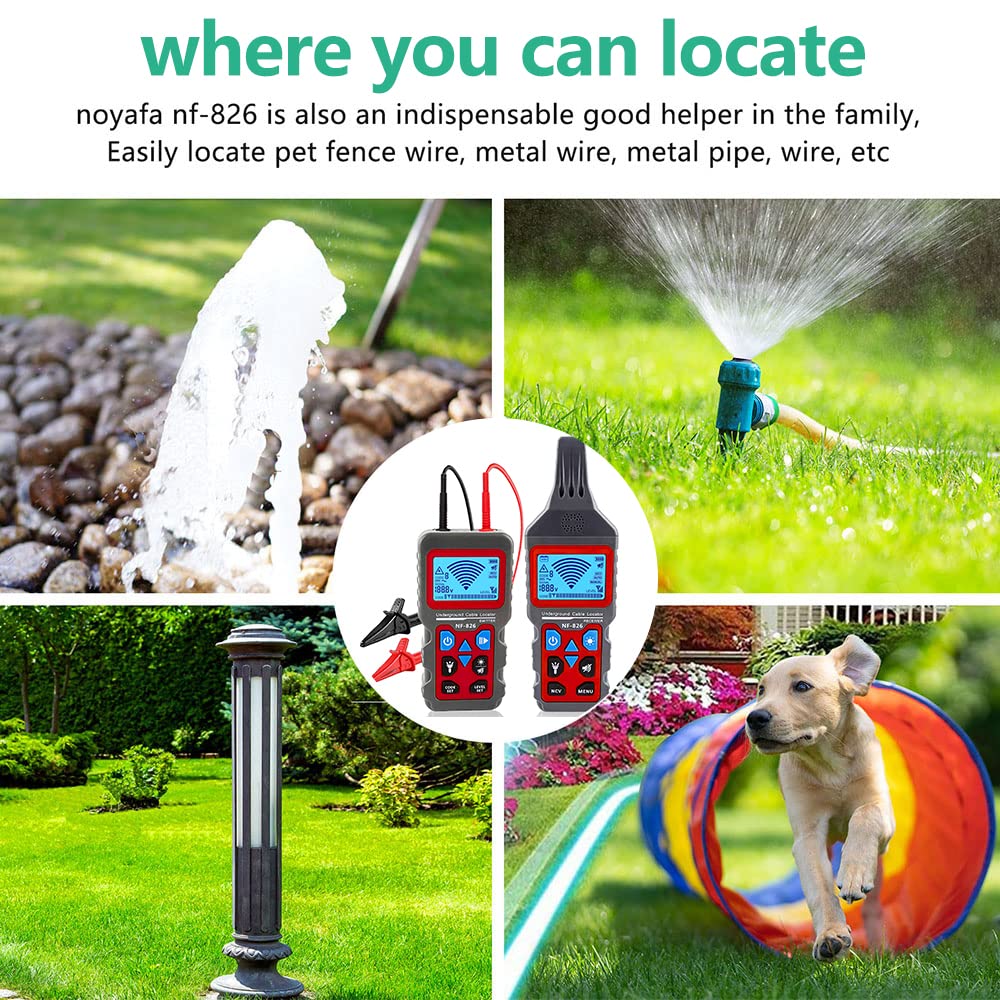
Figure 5.1: USB Charging for the NF-826 units.
5.1. Connecting the Transmitter
Connect the red test lead to the positive terminal of the wire or circuit you wish to trace, and the black test lead to the negative or ground. For underground or in-wall tracing, use the grounding rod connected to the black test lead to ensure proper signal transmission.

Figure 5.2: Transmitter connection for underground wire tracing.
6. Operating Instructions
The NF-826 offers various modes and functions for different detection scenarios.
6.1. Auto and Manual Mode
Upon powering on, the receiver defaults to Auto mode, which sets sensitivity to maximum for quick approximate location. For precise tracking, switch to Manual mode by pressing the MENU button and adjust sensitivity using the Up/Down keys. There are 8 sensitivity levels in Manual mode.

Figure 6.1: Auto & Manual Mode Sensitivity Setting.
6.2. Detecting Short Points
To detect a short circuit, connect the red clip to the red wire and the black clip to the black wire. Set the transmitter to "Auto" mode. Use the receiver to trace the wire. There will be no sound near the short point. Switch to "Manual" mode and adjust the signal for precise tracking to pinpoint the short.
Video 6.1: Demonstrates how to detect a short point in a wire using the NF-826. The video shows connecting the wires, setting the device to auto mode, and then using the receiver to locate the short by observing the absence of sound and then fine-tuning with manual mode.
6.3. Detecting Breakage Points
For detecting a breakage point, connect the red clip to the broken wire and the black clip to the other wire, ensuring it is grounded (e.g., using the grounding rod in soil). In "Auto" mode, there will be no sound near the broken point. Switch to "Manual" mode and adjust the signal for precise tracking to locate the exact break.
The NF-826 can detect breakage points up to 4 feet deep and trace wires up to 3000 feet in length.

Figure 6.2: Underground Wire Tracing Capabilities.
6.4. AC/DC Voltage Testing
The NF-826 supports AC/DC voltage measurement from 12V to 400V. Connect the test leads to the circuit to measure voltage. The LCD screen will display the voltage reading, current status, and allow real-time monitoring of electrical system safety.
Figure 6.3: Voltage testing application.
6.5. Various Tracing Applications
The NF-826 is versatile and can be used for:
- Locating underground buried cables and pipes.
- Detecting faults in electrical wiring in walls.
- Tracing electric heating cables.
- Locating underground water supply pipes.
- Identifying invisible irrigation wires and pet dog fences.
- Finding open or short circuits in the wall or earth.
- Locating fuses and safeguards.
- Finding sockets or junction boxes.
- Locating open or short conduits under the floor.

Figure 6.4: Underground Pipes Detection.

Figure 6.5: Tracking Cables Behind Walls and Underground.

Figure 6.6: Diverse Applications of the NF-826.

Figure 6.7: Comprehensive Function Description of the NF-826.
6.6. Multi-Transmitter Use
The NF-826 supports the use of multiple transmitters (up to 6) on different channels to classify or determine laid lines. This allows for efficient mapping of complex wiring systems by identifying multiple circuits simultaneously.

Figure 6.8: Multi-Transmitter Application for Line Classification.
7. Maintenance
To ensure the longevity and optimal performance of your NOYAFA NF-826, follow these maintenance guidelines:
- Clean the device regularly with a soft, dry cloth. Do not use abrasive cleaners or solvents.
- Store the device in its carry bag when not in use to protect it from dust and physical damage.
- Charge the battery periodically, even if not in frequent use, to maintain battery health.
- Inspect test leads and connectors for wear or damage before each use. Replace if necessary.
8. Troubleshooting
If you encounter issues with your NF-826, refer to the following common problems and solutions:
| Problem | Possible Cause | Solution |
|---|---|---|
| No signal detected / Weak signal |
|
|
| Inaccurate location / Signal jumping |
|
|
| Device does not power on |
|
|

Figure 8.1: Wire Compatibility Information.
9. Specifications
| Feature | Detail |
|---|---|
| Model Number | NF-826 |
| Detection Depth | Up to 4 feet (1.2 meters) |
| Tracking Length | Up to 3000 feet (914 meters) |
| Voltage Measurement Range | 12V - 400V AC/DC |
| Power Source | Battery Powered (1400mAh) |
| Item Weight | 1 Pound (approx. 0.45 kg) |
| Color | Black |
| Style | Professional Industrial Grade Underground Wire Locator |
10. Warranty and Support
NOYAFA is committed to providing high-quality, cost-effective instruments. For warranty information, technical support, or service inquiries, please refer to the contact details provided on the official NOYAFA website or your purchase documentation. We aim to ensure your satisfaction and provide reliable assistance for your product.
For more information and product updates, visit the NOYAFA Store on Amazon.


