
Lifewit B0BDCVCYVW
Lifewit Large Insulated Lunch Bag User Manual
Model: B0BDCVCYVW
1. Product Overview
The Lifewit Large Insulated Lunch Bag is designed for efficient temperature retention, portability, and durability. It is suitable for various outdoor activities, picnics, camping, and daily use, keeping your food and beverages fresh or warm for extended periods.
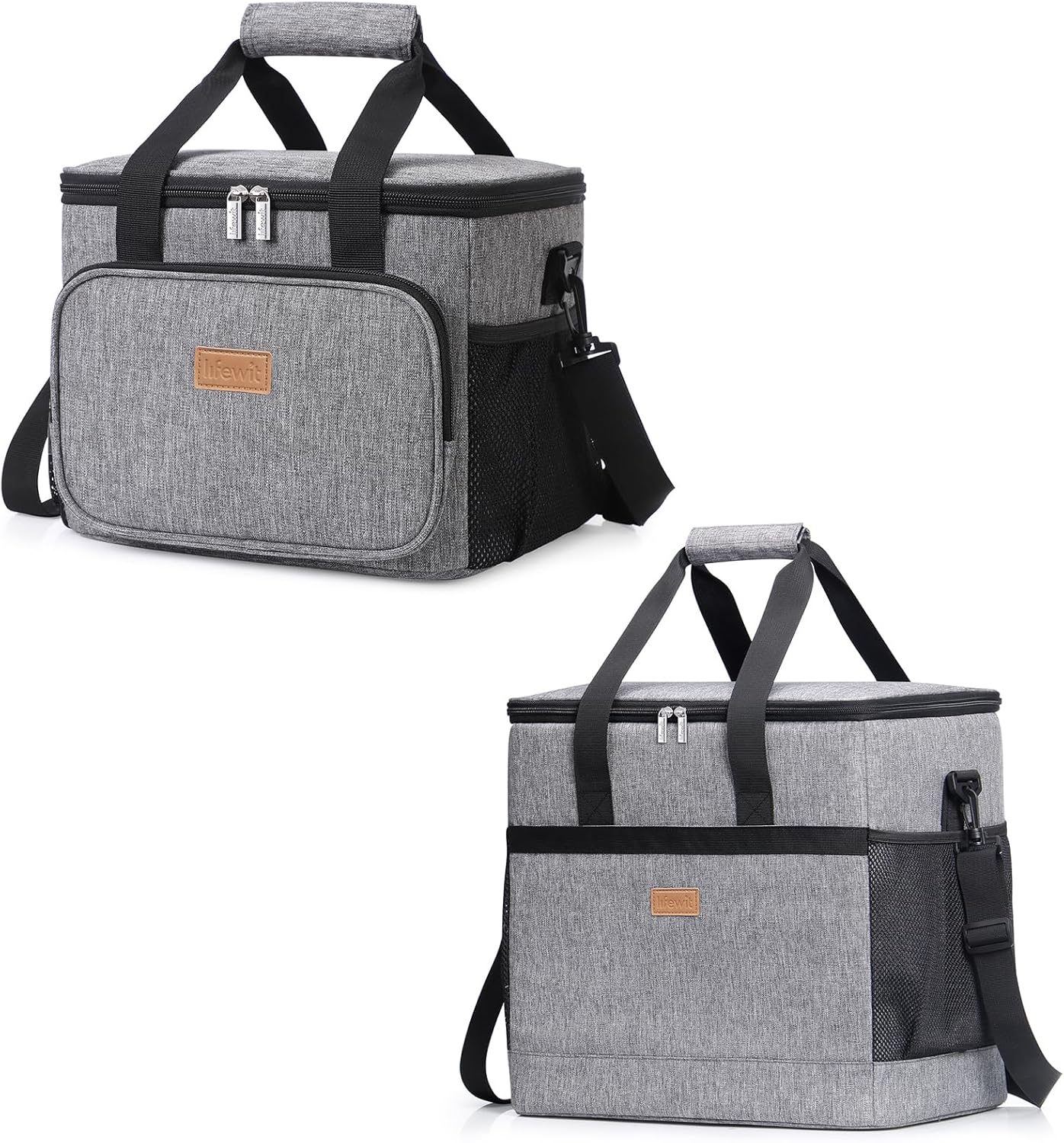
Figure 1.1: Lifewit Large Insulated Lunch Bag (Grey)
This image displays the Lifewit Large Insulated Lunch Bag in a grey color, showcasing its design from two different perspectives. The bag features a top handle, a detachable shoulder strap, and a front pocket, highlighting its versatile carrying options and storage capabilities.
2. Key Features
- Premium Construction: The exterior is crafted from durable 600D Oxford cloth, ensuring long-lasting use and resistance to wear.
- Advanced Insulation: Features a multi-layer insulation system designed to maintain internal temperatures, keeping contents cold or warm.
- Leakproof Design: Constructed with seamless hot pressing technology to prevent leaks, ensuring liquids are contained within the bag.
- Spacious Capacity: Offers ample storage for family-sized meals, drinks, and essentials, suitable for various activities.
- Multiple Pockets: Includes two side mesh pockets for bottles and a deep front pocket for smaller items like napkins, keys, or snacks.
- Portability: Equipped with a padded top handle and a detachable, adjustable shoulder strap for comfortable and versatile carrying options.
- Collapsible Design: Can be folded flat for convenient, space-saving storage when not in use.
- Easy to Clean: The interior lining is designed for simple wipe-down cleaning.

Figure 2.1: Four-Layer Insulation Structure
This diagram illustrates the four distinct layers of insulation within the lunch bag: an outer Oxford Fabric layer, EPE Foam, Non Woven Fabric, and an inner PEVA lining. This multi-layer construction is engineered to provide superior temperature retention for both hot and cold items.

Figure 2.2: Versatile Carrying Options
This image demonstrates the two primary ways to carry the Lifewit lunch bag: by the padded top handle for hand-carrying, and with the detachable shoulder strap for over-the-shoulder transport, offering flexibility and comfort for different situations.
3. Setup and Initial Use
- Unpacking: Remove the lunch bag from its packaging.
- Unfolding: If the bag is folded flat for storage, gently unfold it to its full shape. The rigid bottom insert will help maintain its structure.
- Attaching Shoulder Strap (Optional): Locate the D-rings on the sides of the bag and attach the clips of the detachable shoulder strap. Adjust the strap length for comfortable carrying.
- Initial Cleaning: Before first use, wipe the interior lining with a damp cloth and mild soap, then air dry thoroughly.
4. Operating Instructions
4.1. Filling the Lunch Bag
- For Cold Items: Place ice packs or frozen gel packs at the bottom of the bag before adding food and beverages. Ensure the lid is securely zipped to maximize cold retention.
- For Warm Items: Place warm food containers directly into the bag. For best results, pre-warm the bag by placing a warm towel inside for a few minutes before adding food. Ensure the lid is securely zipped.
- Capacity: The bag has a generous capacity, capable of holding approximately 40 liters. Refer to the size guide for typical item quantities.

Figure 4.1: Capacity and Size Guide
This image provides a size guide for different capacities of Lifewit lunch bags, including the 40L model. It illustrates the dimensions and estimated number of items (e.g., 330ml cans, lunch boxes, fruits) that can be stored, helping users visualize the internal space.
4.2. Temperature Retention Performance
The insulation performance can vary based on external temperature, initial food temperature, and the number of times the bag is opened. The table below provides an approximate guide for temperature retention.
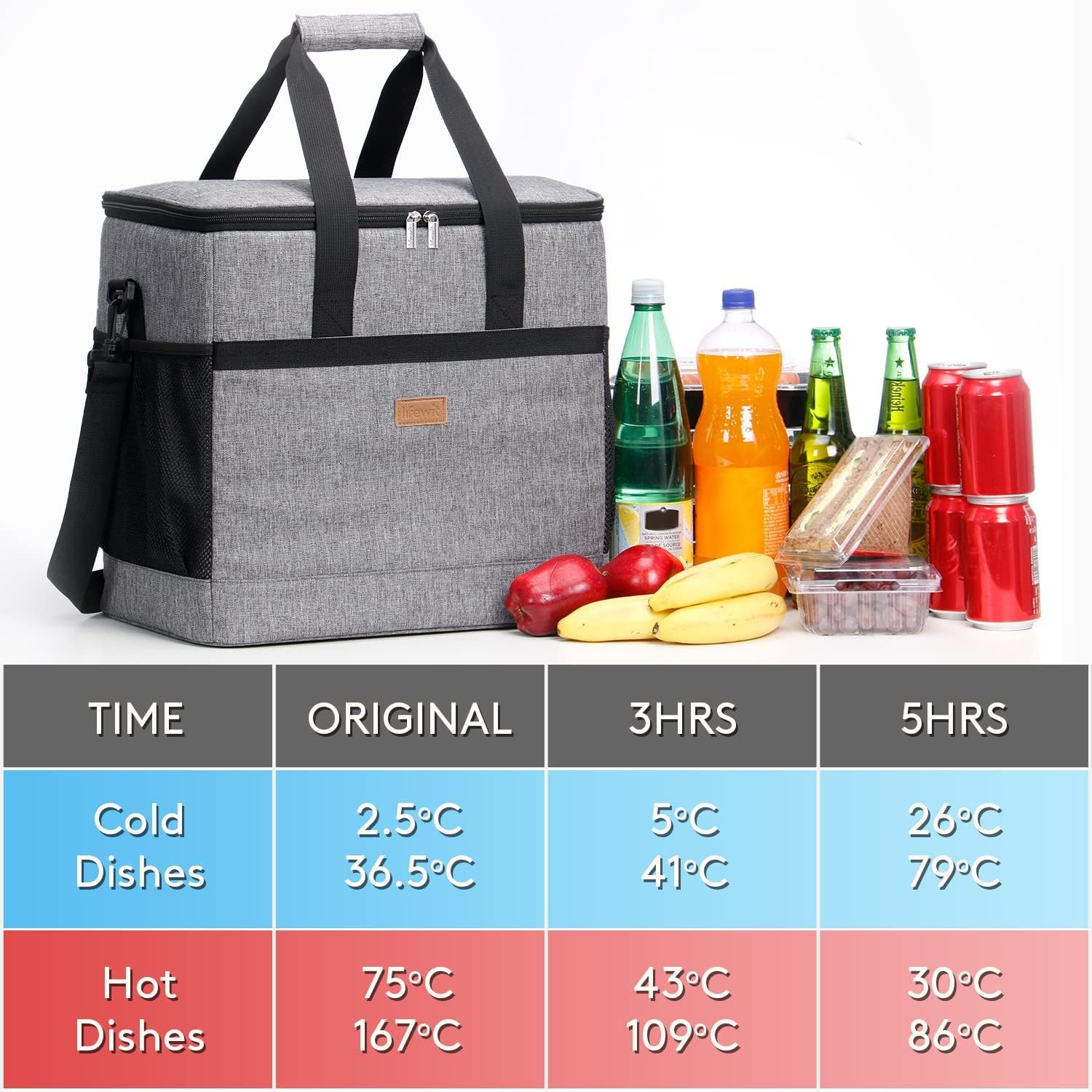
Figure 4.2: Temperature Retention Chart
This chart illustrates the temperature retention capabilities of the lunch bag for both cold and hot dishes over periods of 3 and 5 hours. It shows the approximate temperature changes from the original state, demonstrating the bag's insulating effectiveness.
| Time | Original Temperature | After 3 Hours | After 5 Hours |
|---|---|---|---|
| Cold Dishes | 2.5°C (36.5°F) | 5°C (41°F) | 26°C (79°F) |
| Hot Dishes | 75°C (167°F) | 43°C (109°F) | 30°C (86°F) |
5. Maintenance and Cleaning
- Interior Cleaning: Wipe the interior lining with a damp cloth and mild dish soap after each use. Rinse the cloth and wipe again to remove soap residue.
- Exterior Cleaning: For the exterior Oxford cloth, spot clean with a damp cloth and mild detergent. Do not machine wash or submerge the entire bag in water.
- Drying: Allow the bag to air dry completely with the lid open to prevent mold or mildew growth. Do not use a dryer or direct heat.
- Stain Removal: For stubborn stains, a soft brush with mild soap can be used on the exterior. For the interior, a baking soda paste can help with odors and stains, followed by wiping clean.
- Storage: When not in use, ensure the bag is clean and completely dry. It can be folded flat for compact storage.

Figure 5.1: Leakproof, Waterproof, and Easy to Clean Features
This composite image highlights the practical aspects of the lunch bag's design: its 100% leakproof interior, the waterproof nature of its exterior fabric, and the ease with which spills can be wiped clean from the interior, ensuring hygiene and durability.
6. Troubleshooting
6.1. Reduced Insulation Performance
- Issue: Food or drinks are not staying cold/warm for the expected duration.
- Solution:
- Ensure the zipper is fully closed and sealed.
- Use sufficient ice packs for cold items or pre-warm the bag for hot items.
- Minimize opening the bag frequently, as this allows temperature to escape.
- Check for any damage to the insulation layers (e.g., punctures, tears).
6.2. Leakage
- Issue: Liquids are leaking from the bag.
- Solution:
- Verify that the zipper is completely closed.
- Ensure that containers inside are properly sealed and not overflowing.
- While the bag is leakproof, excessive sloshing of uncontained liquids can sometimes find a way out if the zipper is not perfectly aligned or if there's external pressure.
- Inspect the interior lining for any tears or punctures that might compromise the leakproof seal.
6.3. Odor Retention
- Issue: The bag retains unpleasant odors.
- Solution:
- Clean the interior thoroughly with a damp cloth and mild soap.
- Sprinkle baking soda inside the bag and let it sit overnight, then vacuum or wipe it out.
- Air dry the bag completely with the lid open in a well-ventilated area.
7. Specifications
| Attribute | Detail |
|---|---|
| Brand | Lifewit |
| Model Number | B0BDCVCYVW |
| Color | Gray |
| Material | 600D Oxford Cloth (Exterior), PEVA (Interior Lining) |
| Capacity | 40 Liters (approx. 60 cans) |
| Item Weight | 1.87 pounds (0.85 kg) |
| Special Feature | Portable, Insulated, Leakproof, Collapsible |
| Included Components | Shoulder Strap |
| Country of Origin | China |
| Date First Available | February 26, 2025 |
8. Warranty and Support
For any questions, concerns, or support needs regarding your Lifewit Large Insulated Lunch Bag, please contact Lifewit customer service. Details regarding specific warranty periods and return policies are typically provided at the point of purchase or on the official Lifewit website.
Return Policy: This product typically comes with a 30-day return/replacement policy from the date of purchase, subject to the retailer's terms and conditions.
For the most up-to-date information, please visit the official Lifewit store or contact their customer support directly:
- Lifewit Official Store: Visit Lifewit Store on Amazon
- Seller: Lifewit Home US (Fulfilled by Amazon)
Ask a question about this manual
Ask about setup, troubleshooting, compatibility, parts, safety, or missing instructions. Manuals+ will review the question and use this page’s manual context to help answer it.