
1. Safety Information
Important Safety Instructions:
- Read these instructions.
- Keep these instructions.
- Heed all warnings.
- Follow all instructions.
- Do not use this apparatus near water.
- Clean only with a dry cloth.
- Do not block any ventilation openings. Install in accordance with the manufacturer's instructions.
- Do not install near any heat sources such as radiators, heat registers, stoves, or other apparatus (including amplifiers) that produce heat.
- Protect the power cord from being walked on or pinched, particularly at plugs, convenience receptacles, and the point where they exit from the apparatus.
- Only use attachments/accessories specified by the manufacturer.
- Unplug this apparatus during lightning storms or when unused for long periods of time.
- Refer all servicing to qualified service personnel. Servicing is required when the apparatus has been damaged in any way, such as power-supply cord or plug is damaged, liquid has been spilled or objects have fallen into the apparatus, the apparatus has been exposed to rain or moisture, does not operate normally, or has been dropped.
2. Package Contents
Verify that all items are present in the package:
- Korg Liano Portable 88-key Digital Piano
- Sustain Pedal
- Power Adapter
- Music Stand
- Instruction Manual (this document)
3. Setup
3.1 Power Connection
Connect the included power adapter to the DC 12V input jack on the rear panel of the piano and then to a suitable power outlet. Alternatively, the Liano can be powered by 6 AA batteries for portable use.

Figure 3.1: Rear panel connections including power input.
3.2 Battery Installation
For battery operation, open the battery compartment cover on the underside of the piano. Insert 6 AA alkaline batteries, ensuring correct polarity. Close the cover securely. The piano can operate for up to 8 hours on batteries.

Figure 3.2: Battery compartment with 6 AA batteries.
3.3 Sustain Pedal Connection
Connect the included sustain pedal to the DAMPER jack on the rear panel. The sustain pedal allows for extended note decay, similar to an acoustic piano.
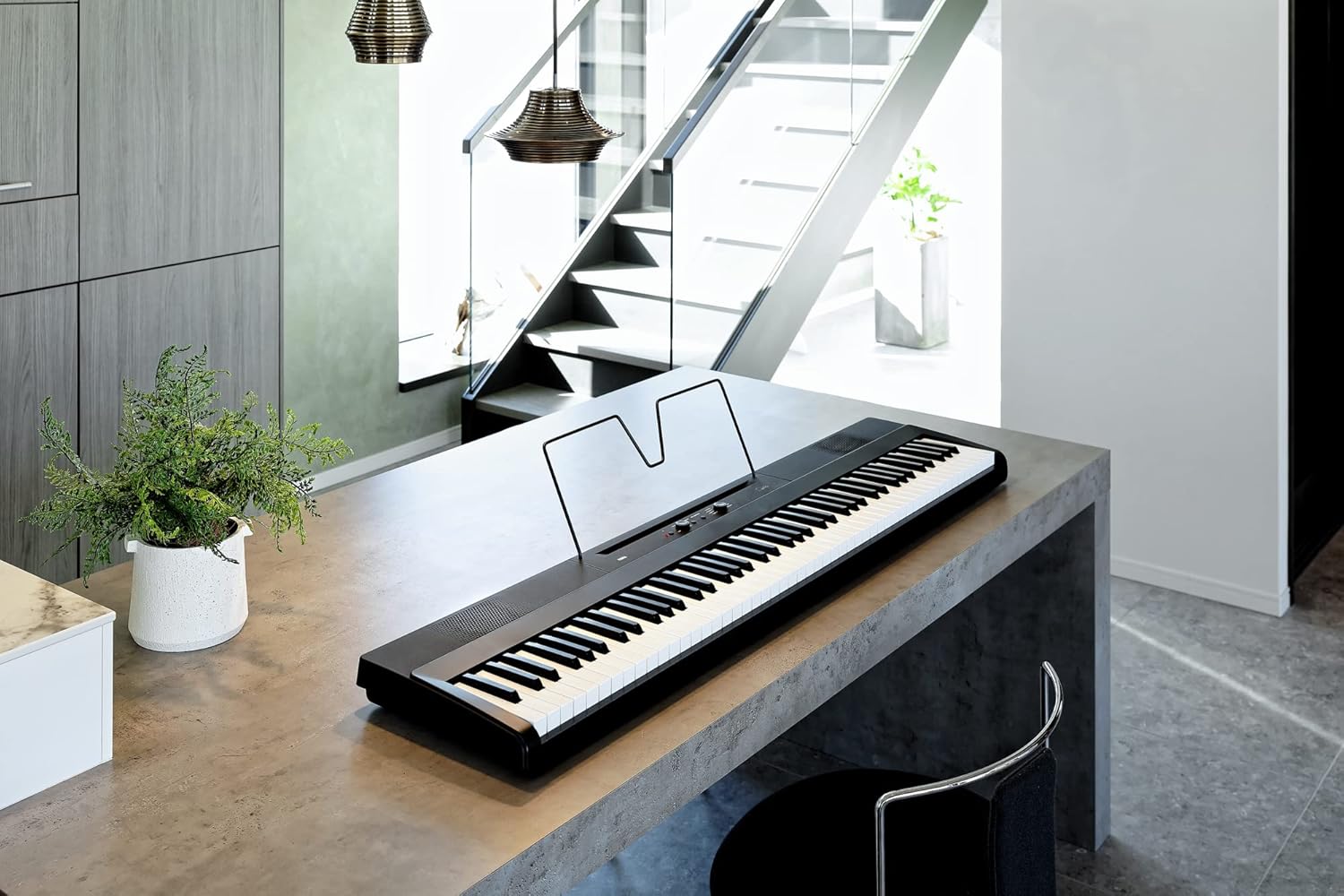
Figure 3.3: Sustain pedal connected to the piano.
3.4 Music Stand Attachment
Insert the music stand into the designated slots on the top panel of the piano. This provides a stable surface for sheet music or a tablet.

Figure 3.4: Korg Liano with music stand.
3.5 Headphone Connection
For private practice, connect headphones to the headphone jack on the rear panel. This mutes the internal speakers.
Figure 3.5: Headphone jack on the rear panel.
3.6 USB Connectivity
The USB port on the rear panel allows for connection to a computer or smart device for MIDI and audio data transfer. This enables use with recording software, virtual instruments, and piano learning apps.
Figure 3.6: USB port for MIDI and audio connectivity.
4. Operating Instructions
4.1 Power On/Off and Volume Control
Press the POWER button to turn the piano on or off. Adjust the overall volume using the VOLUME knob. The volume can be set from minimum to maximum.

Figure 4.1: Power button and volume control.
4.2 Sound Selection
The Liano offers 8 onboard sounds. Rotate the SOUND SELECTION knob to choose between:
- Piano 1 & 2 (Italian Concert Grand, Ballad Piano)
- E. Piano 1 & 2 (Stage E. Piano, Digital E. Piano)
- Harpsichord
- P. Organ (Pipe Organ)
- E. Organ (Electric Organ)
- Strings

Figure 4.2: Sound selection knob.
4.3 Reverb Effect
Press the REVERB button to apply a reverb effect to the selected sound, adding spaciousness. Press again to deactivate.
4.4 Metronome
Press the METRONOME button to activate the metronome for timing practice. The tempo can be adjusted using the FUNCTION button in conjunction with specific keys (refer to the full manual for detailed key assignments).
4.5 Transpose and Fine-Tuning
The Liano includes transpose and fine-tuning features, accessible via the FUNCTION button and specific keys. These allow you to adjust the pitch of the entire keyboard to match other instruments or vocal ranges. Refer to the full manual for detailed instructions.
4.6 Touch Response
The touch response can be adjusted to three levels: Light, Normal, or Heavy. This setting determines how the piano responds to your playing dynamics. Access this feature via the FUNCTION button and specific keys (refer to the full manual).
4.7 Bundled Software
Your Korg Liano includes a free software bundle to enhance your musical journey:
- Skoove Piano Learning Software: 3-month premium access for interactive piano lessons.
- Korg Module: A high-quality mobile sound module app with additional sounds.
- Korg Gadget 2 LE: A multi-track mobile music production app.
These applications can be accessed by connecting your Liano via USB to a compatible smart device or computer.

Figure 4.3: Korg Liano connected to a tablet running a learning app.
5. Media Demonstrations
5.1 Korg Liano Features Overview
Video 5.1: An official overview of the Korg Liano 88-Key Digital Piano, highlighting its key features and design.
5.2 Korg Liano Sound Demonstration
Video 5.2: An official demonstration showcasing the various sounds and playability of the Korg Liano 88-Key Digital Piano.
6. Maintenance
6.1 Cleaning
Wipe the piano's surface with a soft, dry cloth. For stubborn dirt, use a slightly damp cloth and then dry thoroughly. Avoid abrasive cleaners, waxes, or solvents.
6.2 Storage
Store the piano in a dry, cool place away from direct sunlight, extreme temperatures, and humidity. If storing for an extended period, remove the batteries to prevent leakage.
6.3 Battery Replacement
When the battery indicator light (if present) signals low power, or if the sound becomes distorted, replace all 6 AA batteries with new ones. Ensure correct polarity during installation.
7. Troubleshooting
- No Sound:
- Check if the power adapter is securely connected or if batteries are correctly installed and charged.
- Ensure the volume knob is turned up.
- If headphones are connected, disconnect them to check internal speakers.
- Distorted Sound:
- Lower the volume.
- If using batteries, replace them with fresh ones.
- Keys Not Responding:
- Ensure the piano is powered on.
- If connected to a computer/device, check USB connection and software settings.
8. Specifications
| Brand | KORG |
| Model Name | Liano 88-Key |
| Item Model Number | SKY5484 |
| Number of Keys | 88 |
| Key Type | Semi-Weighted |
| Item Weight | 13.64 pounds (6.2 Kilograms) |
| Product Dimensions | 56.02"D x 14.57"W x 6.22"H |
| Power Source | Corded Electric (Power Adapter included), 6 AA Alkaline Batteries |
| Connectivity Technology | USB |
| Special Feature | Portable |
9. Warranty and Support
For detailed warranty information and customer support, please refer to the official KORG website or contact your local KORG distributor. Keep your proof of purchase for warranty claims.


