
1. Product Overview
The Wicocc Mini RK-370 DC Motor is a compact, high-speed carbon brush motor designed for various applications requiring reliable power and high rotational speed. It operates within a voltage range of 6V to 12V, offering up to 47500 RPM, making it suitable for projects such as model boats, cars, electric bicycles, fans, and other small machinery.
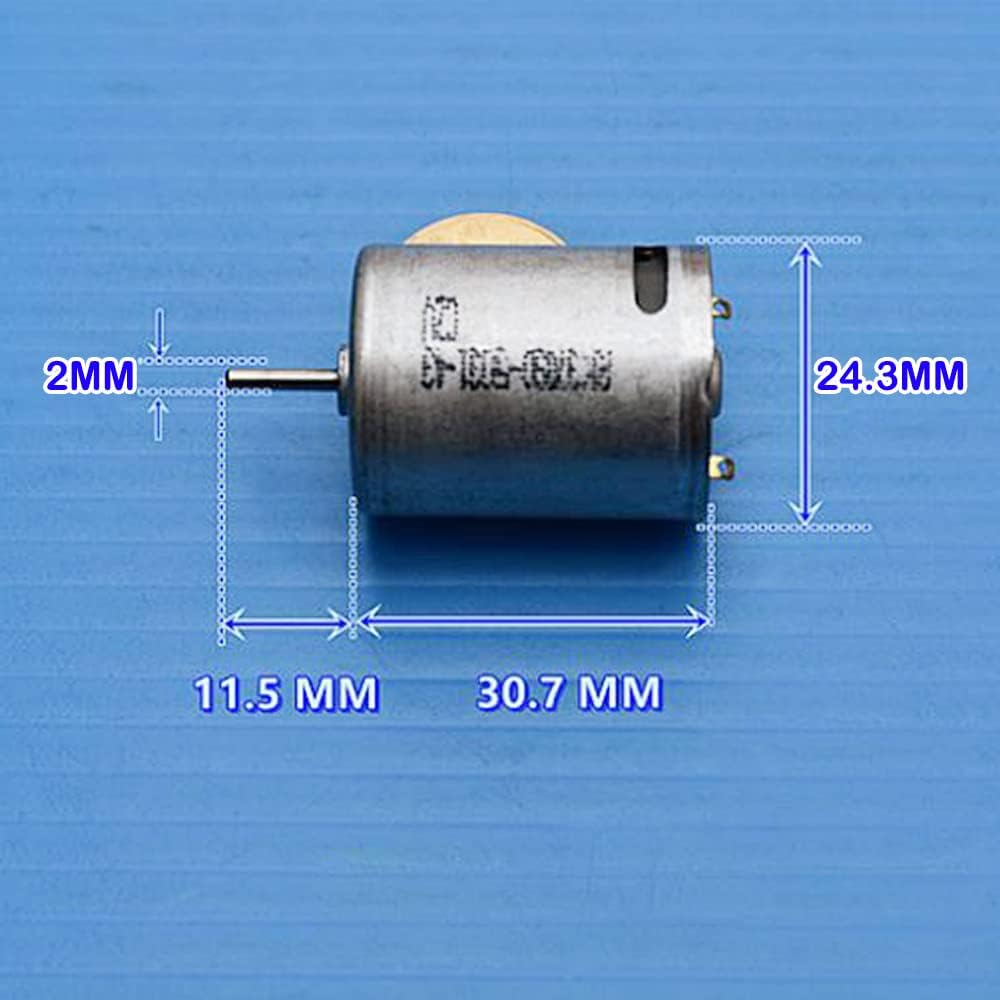
Figure 1: Internal view of the RK-370 DC motor, highlighting the copper coil windings and carbon brush commutator assembly. This image illustrates the core components responsible for the motor's operation.
2. Setup and Installation
Proper setup is crucial for the safe and efficient operation of your RK-370 DC motor. Follow these guidelines for installation:
- Mounting: Securely mount the motor using appropriate brackets or housing to prevent vibration and ensure stability during operation. Ensure adequate ventilation around the motor.
- Power Supply: Connect the motor to a DC power supply within the specified voltage range (6V-12V). Observe correct polarity: typically, one terminal is positive (+) and the other is negative (-). Reversing polarity will reverse the motor's direction of rotation.
- Wiring: Use wires of appropriate gauge for the expected current draw to prevent overheating. Ensure all connections are secure and insulated to avoid short circuits.
- Load Connection: If connecting a load (e.g., propeller, gear), ensure it is balanced and properly aligned with the motor shaft to prevent excessive strain or vibration.

Figure 2: Dimensional drawing of the RK-370 DC motor. Key measurements include a body diameter of 24.3mm, a body length of 30.7mm, a shaft length of 11.5mm, and a shaft diameter of 2mm. These dimensions are critical for integration into various projects.
3. Operating Instructions
The RK-370 motor is designed for straightforward operation. Adhere to the following guidelines:
- Voltage Range: Operate the motor within its specified voltage range of 6V to 12V DC. Operating below 6V may result in reduced performance, while exceeding 12V can lead to overheating and permanent damage.
- Current Draw: Monitor the current draw, especially under load, to ensure it does not exceed the motor's maximum continuous current rating. Excessive current can cause overheating.
- Temperature: Ensure the motor does not overheat during prolonged operation. If the motor becomes excessively hot to the touch, reduce the load or operating time.
- Direction of Rotation: The direction of rotation can be reversed by changing the polarity of the DC power supply connected to the motor terminals.
4. Maintenance
The RK-370 is a carbon brush motor and generally requires minimal maintenance. However, periodic checks can extend its lifespan:
- Cleanliness: Keep the motor free from dust, dirt, and debris, which can impede cooling and affect brush performance. Use a soft brush or compressed air for cleaning.
- Shaft and Bearings: Ensure the motor shaft rotates freely. If any resistance is felt, check for obstructions or damage to the bearings. Lubrication is typically not required for sealed bearings.
- Carbon Brushes: Carbon brushes are wear items. Over time, they will wear down and may require replacement. Reduced performance, intermittent operation, or excessive sparking can indicate worn brushes. (Note: Replacement of internal components like brushes may require specialized tools and knowledge.)
- Connections: Periodically inspect all electrical connections for tightness and corrosion.
5. Troubleshooting
If you encounter issues with your RK-370 DC motor, consider the following troubleshooting steps:
| Problem | Possible Cause | Solution |
|---|---|---|
| Motor does not start or runs intermittently. | No power, incorrect wiring, loose connections, worn brushes, motor jammed. | Check power supply and voltage. Verify wiring polarity and connections. Inspect for obstructions preventing shaft rotation. Consider brush replacement if applicable. |
| Motor runs slowly or with reduced power. | Insufficient voltage, excessive load, worn brushes, internal friction. | Ensure power supply voltage is within 6V-12V. Reduce mechanical load. Check for worn brushes. |
| Motor overheats. | Excessive load, prolonged operation, insufficient ventilation, overvoltage. | Reduce load or operating time. Ensure adequate airflow around the motor. Verify input voltage is not exceeding 12V. |
| Excessive noise or vibration. | Improper mounting, unbalanced load, worn bearings, internal damage. | Secure motor mounting. Balance the connected load. Inspect shaft and bearings for damage. |
6. Specifications
The following table details the technical specifications for the Wicocc Mini RK-370 DC Motor:
| Feature | Detail |
|---|---|
| Model | RK-370 |
| Brand | Wicocc |
| Part Number | Wic3-AL166-MT5-1861 |
| Commutation | Brush |
| Type | Micro Motor |
| Construction | Permanent Magnet |
| Voltage Range | 6V - 12V DC |
| Speed (at 12V) | Up to 47500 RPM |
| Material | Carbon (for brushes) |
| Protect Feature | Explosion-proof (as per manufacturer's description) |
| Efficiency | IE 2 |
| Typical Usage | Boat, Car, Electric Bicycle, Fan, Home Appliance |
7. Warranty and Support
Specific warranty information for the Wicocc Mini RK-370 DC Motor is not provided in the product details. For warranty claims or technical support, please contact your retailer or the manufacturer, Wicocc, directly. Retain your proof of purchase for any potential claims.