
CHENGYING CHY-0122ANA
CHENGYING Katana Sword
Red Tiger Red Blade User Manual
1. Introduction
This user manual provides important information for the safe and proper handling, maintenance, and care of your CHENGYING Katana Sword, Red Tiger Red Blade model. This is a real, handmade, full tang Japanese samurai sword designed for martial arts and display. Please read this manual thoroughly before handling the sword.
Safety Warnings:
- This sword is extremely sharp and is not a toy. Handle with extreme caution at all times.
- Keep out of reach of children and unauthorized individuals.
- Always wear appropriate protective gear when handling or practicing with the sword.
- Never point the sword at anyone or anything you do not intend to harm.
- Store the sword securely in its scabbard and in a safe location when not in use.
- Improper use can result in serious injury or death.
2. Product Overview and Components
The CHENGYING Katana Sword is a meticulously crafted Japanese samurai sword featuring a distinctive red tiger theme. Understanding its components is essential for proper handling and maintenance.
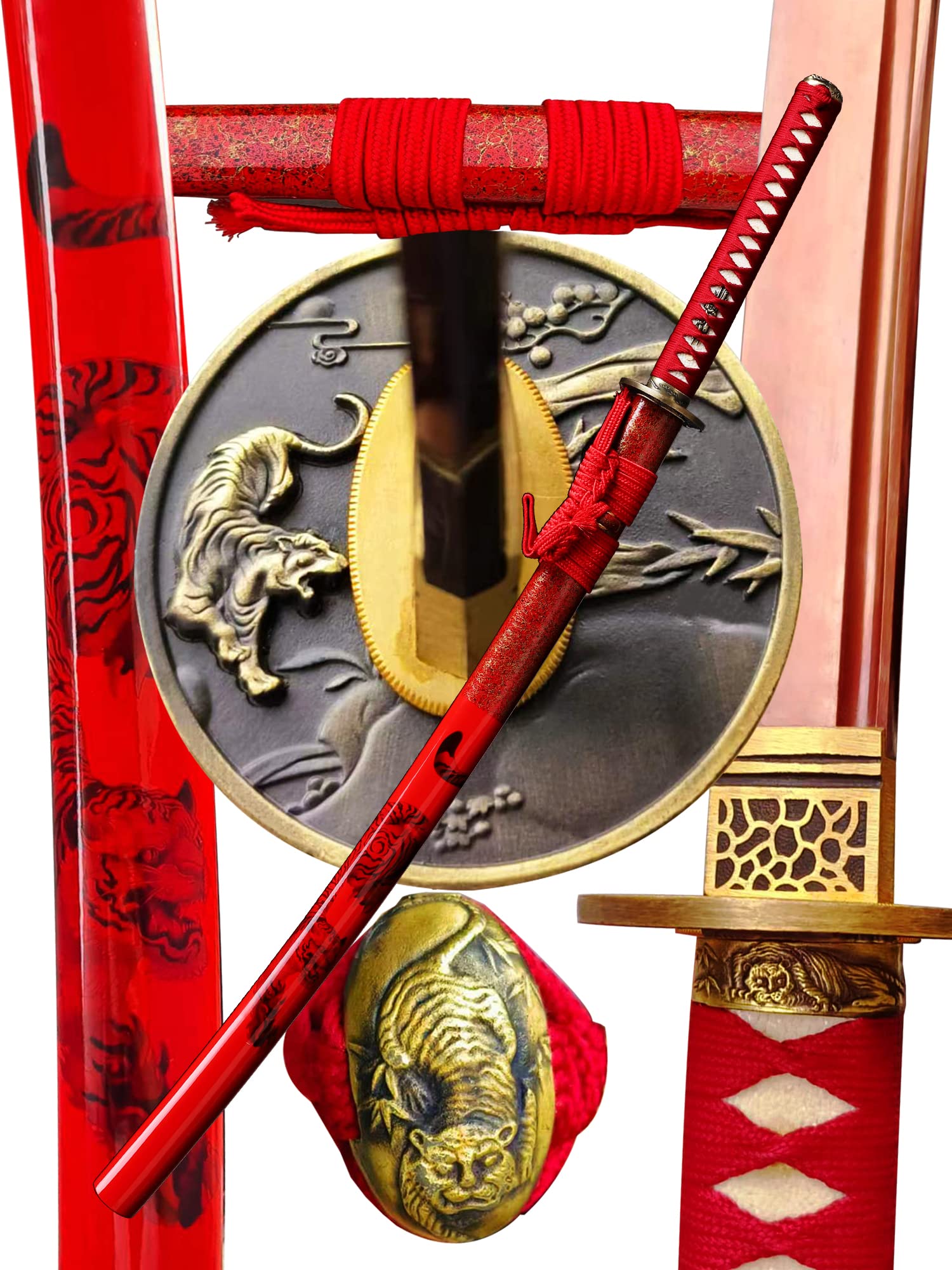
Figure 2.1: Overall view of the CHENGYING Katana Sword, showcasing its red blade, red handle, and red scabbard with tiger motifs.
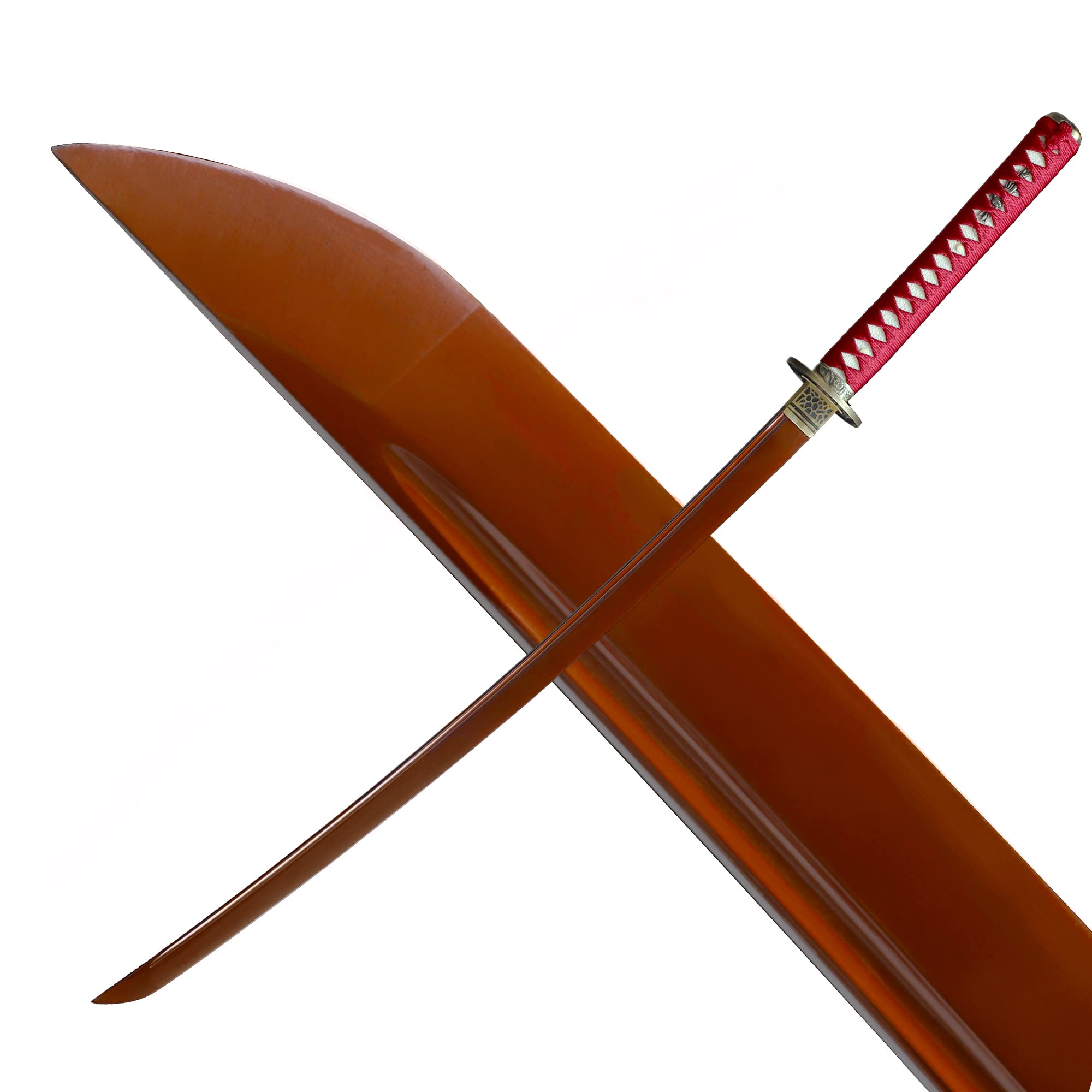
Figure 2.2: The Katana sword with its red blade and matching red scabbard, highlighting the cohesive design.
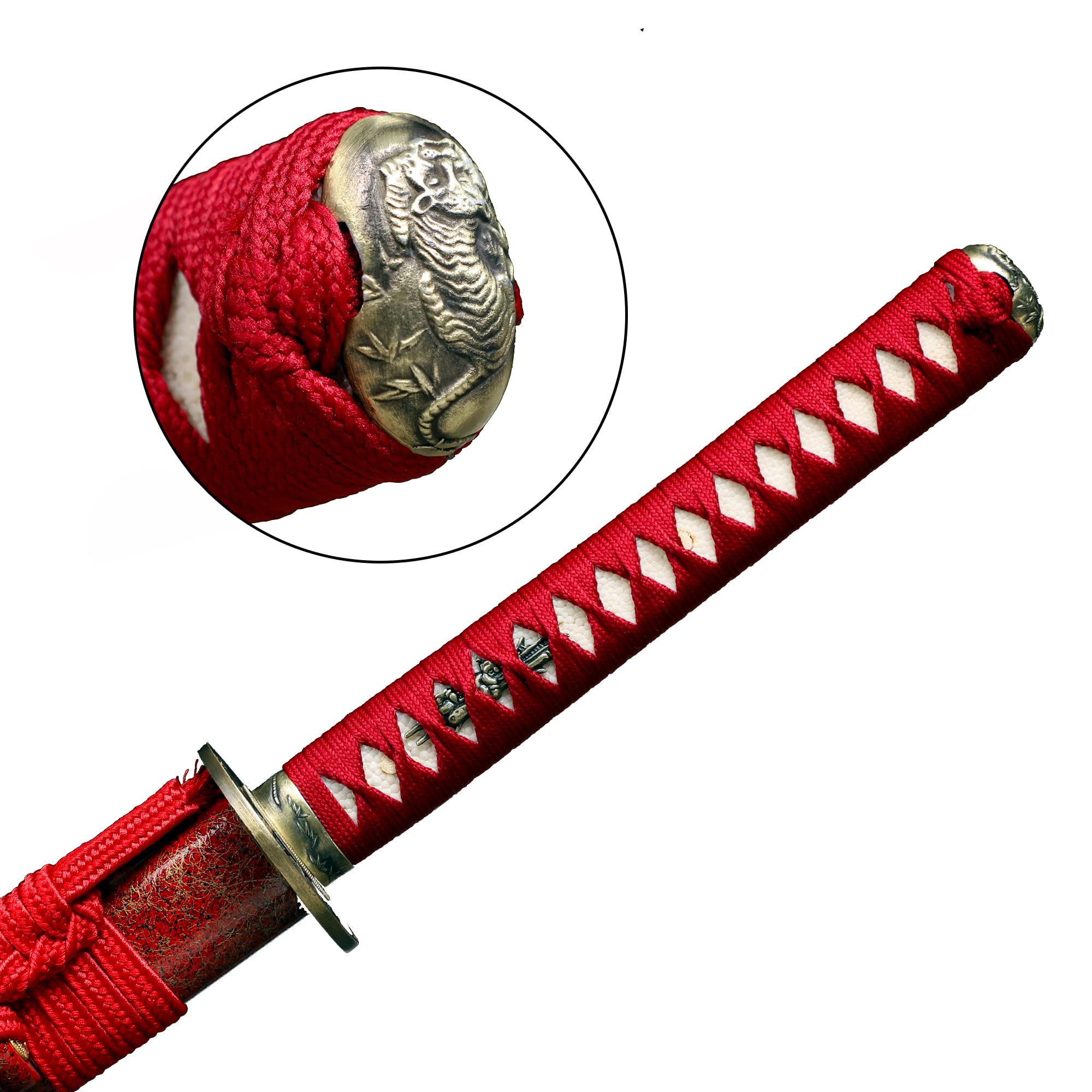
Figure 2.3: Detail of the handle (Tsuka), wrapped in red rayon over rayskin, with a tiger-themed pommel (Kashira).
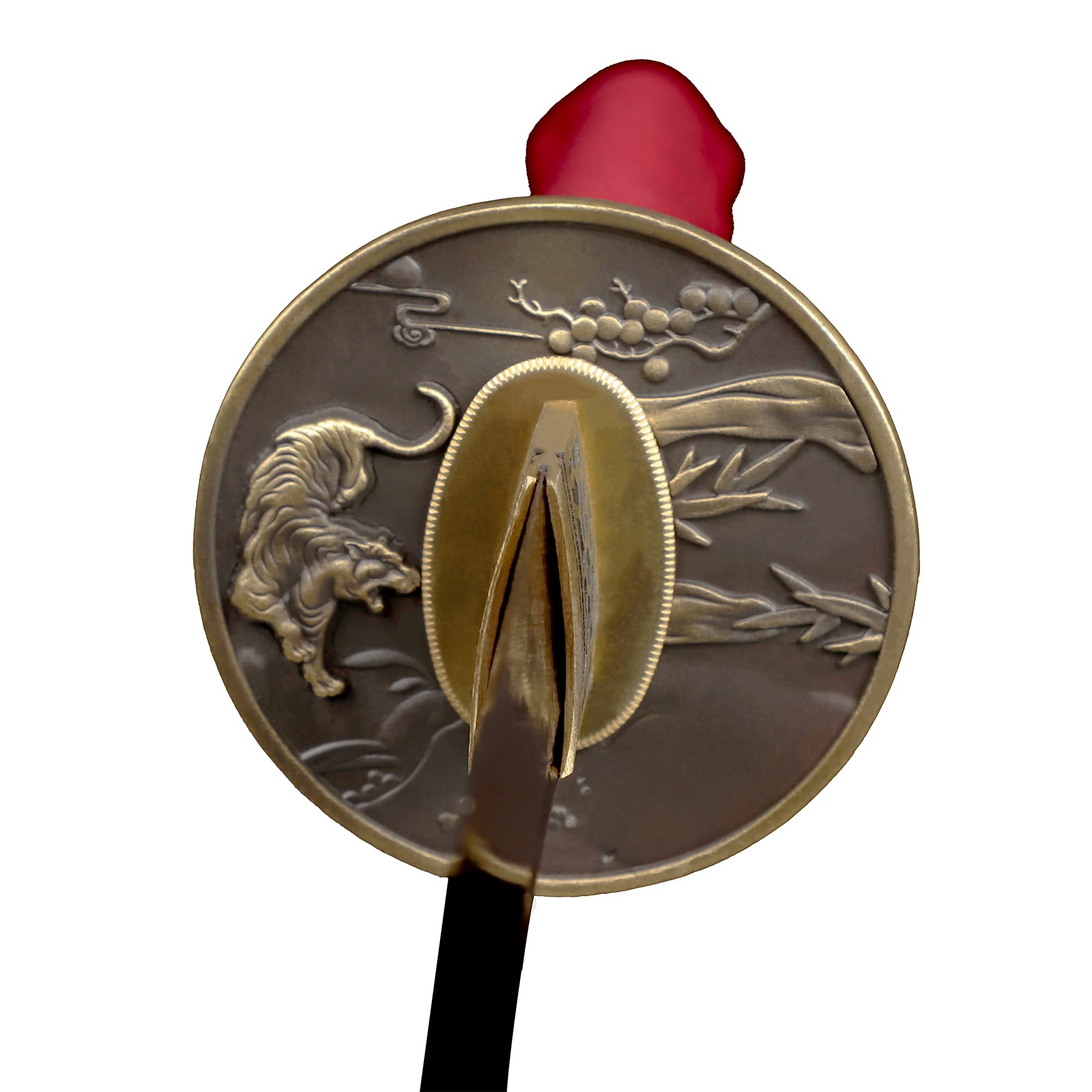
Figure 2.4: The circular guard (Tsuba) featuring an intricate design of a tiger and bamboo, protecting the hand.
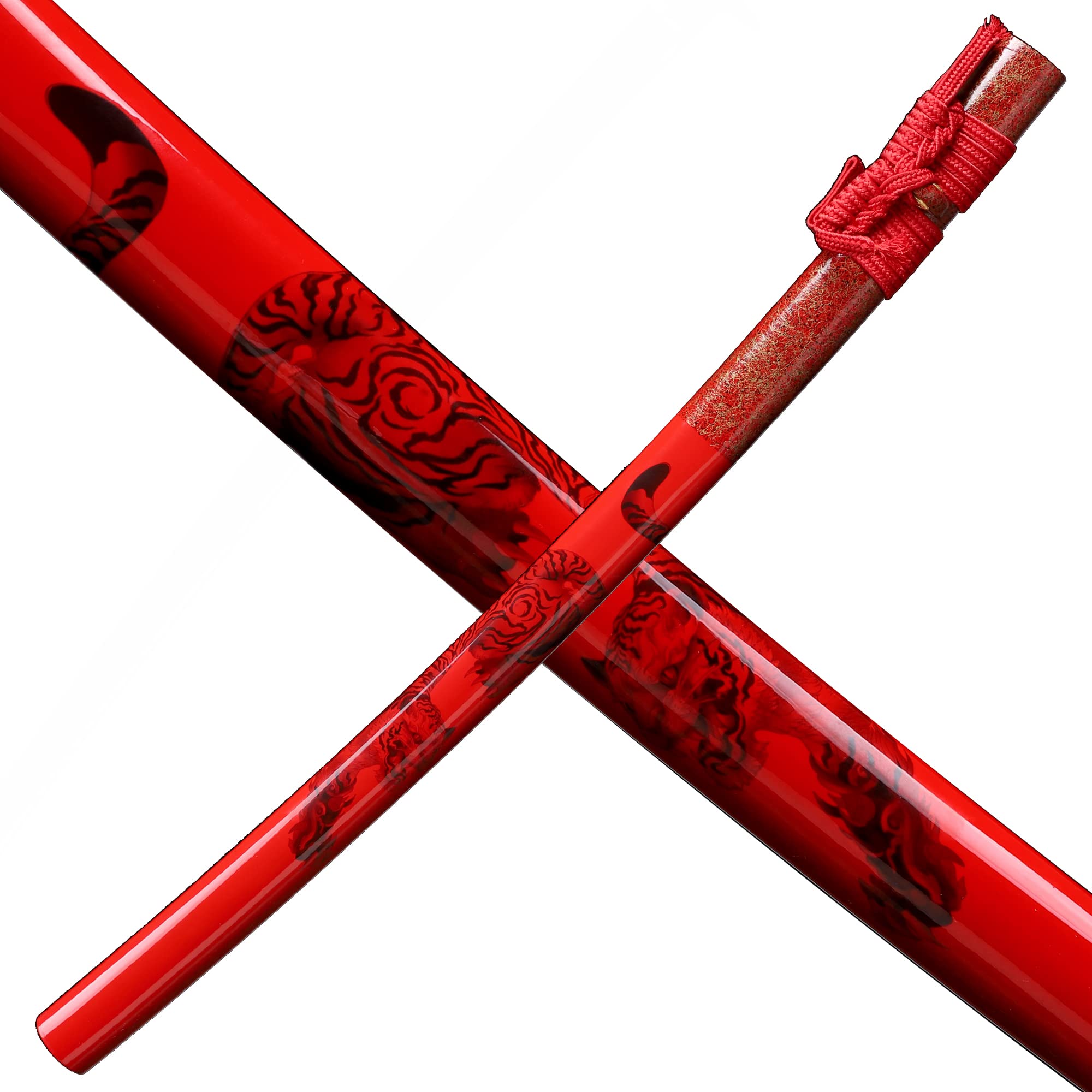
Figure 2.5: The scabbard (Saya), finished in a vibrant red with subtle tiger patterns, designed to protect the blade.
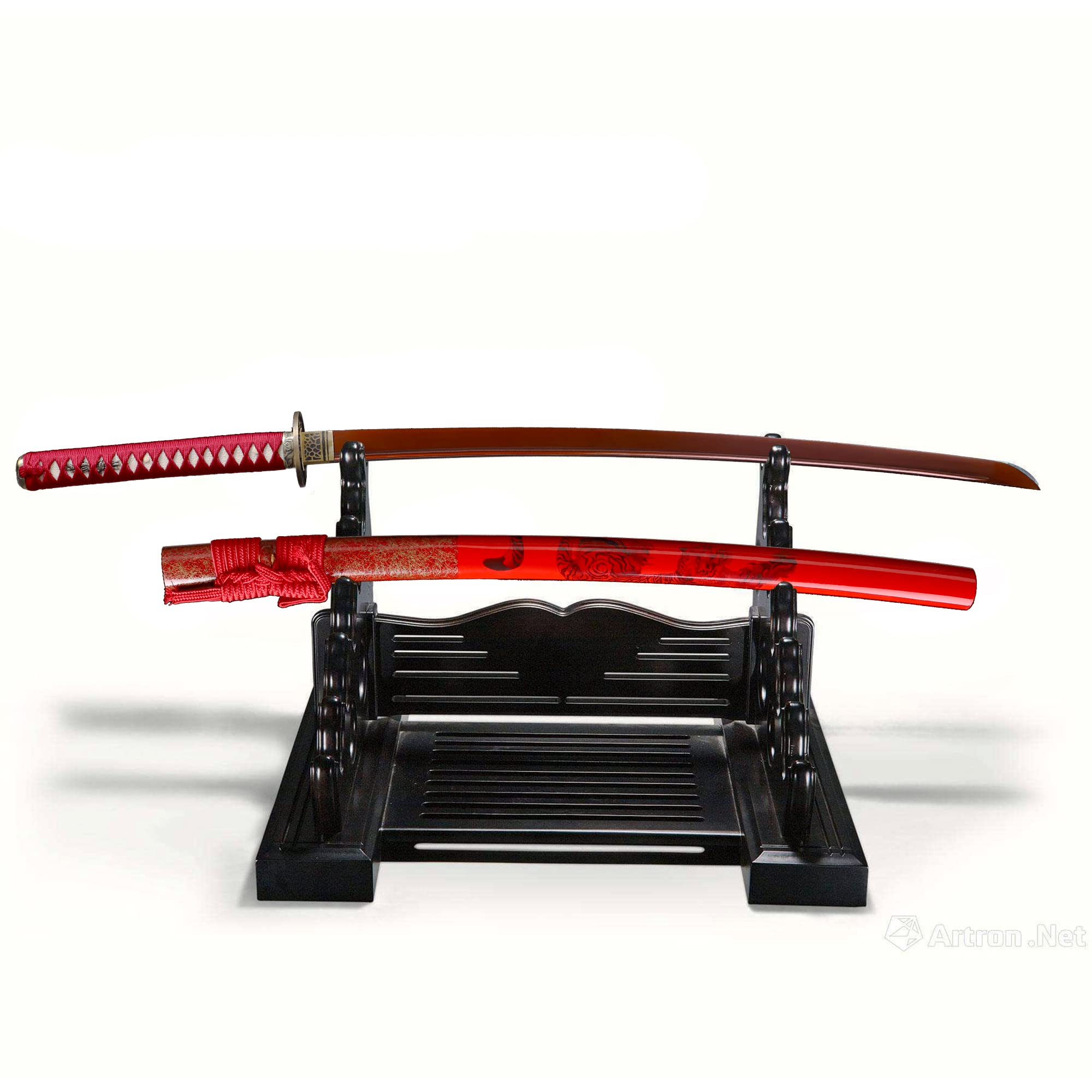
Figure 2.6: The Katana sword resting on a display stand, demonstrating proper storage and presentation.
Key Components:
- Blade (Nagasa): Made of manganese steel, oil quenched, with a red finish and Bohi (groove). This is the cutting edge of the sword.
- Handle (Tsuka): Constructed from hardwood, wrapped with genuine rayskin (Samegawa) and red rayon cord (Tsuka-ito). Features a tiger-themed pommel (Kashira) and collar (Fuchi).
- Guard (Tsuba): An alloy guard with a tiger and bamboo motif, designed to protect the hand.
- Scabbard (Saya): Made of hardwood with a red finish and tiger patterns, providing protection for the blade when not in use.
- Habaki: An alloy collar at the base of the blade, ensuring a snug fit into the scabbard.
3. Setup and Initial Inspection
Upon receiving your CHENGYING Katana Sword, perform the following steps for initial setup and inspection:
- Unboxing: Carefully remove the sword and rayon bag from its packaging. Ensure no components are missing as per the packaging details (1 sword, 1 rayon bag).
- Visual Inspection: Examine the sword for any visible damage during transit. Check the blade for any nicks or bends, and ensure the handle and scabbard are intact.
- Blade Condition: The blade is shipped sharp. Exercise extreme caution. Do not touch the blade edge directly.
- Disassembly (Optional, for Maintenance): This sword is designed to be fully detachable for convenient maintenance. If you intend to disassemble for cleaning or inspection, refer to specialized katana disassembly guides and ensure you have the proper tools (e.g., a brass hammer or mekugi-nuki for removing the mekugi pins). Always reassemble correctly and securely before handling.
4. Handling and Usage
Proper handling of your Katana is crucial for safety and preserving the sword's integrity. This sword is intended for display, martial arts practice by trained individuals, and cutting practice on appropriate targets. It is not designed for prying, chopping, or striking hard objects.
General Handling Guidelines:
- Always hold the sword by the handle (Tsuka) with a firm grip.
- When drawing or sheathing the sword, do so slowly and deliberately to avoid accidental cuts or damage to the blade or scabbard.
- Never swing the sword carelessly or in confined spaces. Ensure ample clear space around you.
- If using for cutting practice, ensure targets are soft and appropriate (e.g., tatami mats, water bottles). Avoid hard objects that can damage the blade.
- After handling, especially if the blade has been touched, clean it immediately to prevent corrosion.
5. Maintenance
Regular maintenance is vital to keep your Katana in pristine condition and prevent rust or damage. A well-maintained sword will last for generations.
Cleaning the Blade:
- Remove Old Oil: Use a clean, soft cloth or rice paper to gently wipe off any old oil from the blade, moving from the base to the tip.
- Clean the Blade: If necessary, use a small amount of rubbing alcohol on a clean cloth to remove any residue or fingerprints. Ensure the blade is completely dry afterwards.
- Apply New Oil: Apply a very thin layer of choji oil (or light mineral oil) along the entire length of the blade using a fresh, clean cloth. A little goes a long way; too much oil can attract dust.
- Wipe Excess: Gently wipe off any excess oil, leaving only a fine, protective film.
Care for Handle and Scabbard:
- Wipe the handle and scabbard with a dry, soft cloth to remove dust and fingerprints.
- Avoid exposing the handle or scabbard to excessive moisture or direct sunlight, which can cause warping or fading.
- Do not apply oil or polish to the handle wrapping (Tsuka-ito) or rayskin (Samegawa) as it can degrade the materials.
Storage:
- Always store the sword in its scabbard when not in use.
- Store in a dry, cool environment away from direct humidity, extreme temperatures, or corrosive chemicals.
- Consider using a sword stand for display, ensuring it is stable and secure.

Figure 5.1: The forging process, where the steel is hammered to shape the blade.

Figure 5.2: The quenching process, where the heated blade is rapidly cooled to harden the steel.

Figure 5.3: Application of clay for differential hardening, a traditional method to create a strong edge and flexible spine.

Figure 5.4: The final polishing stage, where the blade is meticulously refined to achieve its sharp edge and finish.
6. Troubleshooting
While the CHENGYING Katana Sword is built for durability, occasional issues may arise. Here are some common concerns and recommended actions:
- Blade Rust: If rust spots appear, it indicates insufficient oiling or improper storage. Gently remove light rust with fine steel wool and oil, then reapply choji oil. For severe rust, professional restoration may be required.
- Dull Blade: Over time, with use, the blade's edge may dull. Sharpening a Katana requires specialized skills and tools. It is highly recommended to seek a professional sword polisher or sharpener. Attempting to sharpen it yourself without proper training can damage the blade.
- Loose Components: If the handle or guard feels loose, it may indicate that the mekugi pins need to be checked or the components need to be reseated. If you are not experienced with sword disassembly, consult a professional or refer to detailed guides on re-tightening katana fittings.
- Blade Damage (e.g., Bending, Chipping): Damage to the blade, especially from striking hard objects, can compromise its structural integrity. A bent or chipped blade should not be used. Depending on the severity, it may require professional repair or replacement.
7. Specifications
Detailed specifications for the CHENGYING Katana Sword, Red Tiger Red Blade model:
| Feature | Detail |
|---|---|
| Brand | CHENGYING |
| Model Name | CHY-0122ANA |
| Color | Red Tiger Red Blade |
| Overall Product Dimensions | 41"L x 1"W (approx. 104 cm x 2.5 cm) |
| Blade Length | 27.9 Inches (approx. 71 cm) |
| Blade Material | Manganese Steel (9260 steel / spring steel), oil quenched, red finish |
| Handle Material | Hardwood, Rayskin, Alloy, Rayon |
| Style | Japanese |
| Hand Orientation | Ambidextrous |
| Item Weight | 3.52 lbs (approx. 1.6 kg) |
| Included Components | 1 Katana Sword, 1 Rayon Bag |
| UPC | 736605655290 |
8. Warranty Information
The CHENGYING Katana Sword comes with a 30-day free warranty from the date of purchase. This warranty covers manufacturing defects. It does not cover damage resulting from misuse, improper maintenance, accidental damage, or normal wear and tear. Please retain your proof of purchase for warranty claims.
9. Customer Support
For any questions, concerns, or assistance regarding your CHENGYING Katana Sword, please contact CHENGYING customer support through the platform where you purchased the product. Provide your order details and a clear description of your inquiry to facilitate a prompt response.
Ask a question about this manual
Ask about setup, troubleshooting, compatibility, parts, safety, or missing instructions. Manuals+ will review the question and use this page’s manual context to help answer it.