
Smad DSXDW50
Smad Compact Refrigerator User Manual
Model: DSXDW50 | Brand: Smad
1. Introduction
Thank you for purchasing the Smad Compact Refrigerator. This manual provides important information regarding the installation, operation, and maintenance of your appliance. Please read it thoroughly before use and keep it for future reference.

Figure 1.1: Front view of the Smad Compact Refrigerator.
This image shows the sleek black exterior of the Smad compact refrigerator, highlighting its minimalist design and the integrated lock at the bottom of the door.
2. Important Safety Information
To reduce the risk of fire, electric shock, or injury when using your refrigerator, follow these basic precautions:
- Read all instructions before using the appliance.
- Do not store explosive substances such as aerosol cans with a flammable propellant in this appliance.
- Do not use electrical appliances inside the food storage compartments of the appliance, unless they are of the type recommended by the manufacturer.
- This appliance is intended to be used in household and similar applications such as staff kitchen areas in shops, offices and other working environments; farm houses and by clients in hotels, motels and other residential type environments; bed and breakfast type environments; catering and similar non-retail applications.
- Keep ventilation openings, in the appliance enclosure or in the built-in structure, clear of obstruction.
- Do not damage the refrigerant circuit.
- Do not use mechanical devices or other means to accelerate the defrosting process, other than those recommended by the manufacturer.
- Ensure the refrigerator is placed on a level surface to ensure proper operation.
- After transportation, allow the refrigerator to stand upright for at least 12 hours before connecting it to power.
3. Product Features
Your Smad Compact Refrigerator is designed with several key features for convenience and efficiency:
- No Noise Absorption Cooling: Utilizes an advanced absorption system with no moving parts, ensuring silent operation (0dB).
- Dual Power Supply (AC/DC): Operates on standard 110-120V AC household power or 12V DC vehicle power, making it suitable for indoor and outdoor use, including RVs, trucks, and caravans.
- Integrated Lock: Features a built-in lock for securing contents, ideal for sensitive items or preventing accidental opening during transit.
- Reversible Door: The door hinge can be configured to open from either the right or left side, offering flexible placement options.
- Compact Design: With a 1.7 Cu.Ft capacity, it is designed to fit in small spaces while providing ample storage.
- Adjustable Thermostat: Allows for precise temperature control to keep contents optimally chilled.
- Adjustable Shelf and Door Racks: Provides flexible storage solutions for various items.
- Eco-Friendly: Uses an absorption system that is free of Freon.

Figure 3.1: Dual Power Supply (AC+DC).
This image illustrates the refrigerator's versatility, showing it powered by 110V AC for indoor use and 12V DC for outdoor or vehicle use, such as in an RV.

Figure 3.2: Reversible Door.
This image demonstrates the reversible door feature, showing the refrigerator door opening to the right and then to the left, indicating flexibility in installation.

Figure 3.3: Product Details.
A close-up view highlighting various internal and external components including the reversible hinge, adjustable shelf, thermostat knob, door rack, adjustable feet, and LED lamp.

Figure 3.4: Lock and Keys - Security Design.
This image emphasizes the security feature of the refrigerator, showing the integrated lock and an icon representing a lock and key, indicating protection for contents.
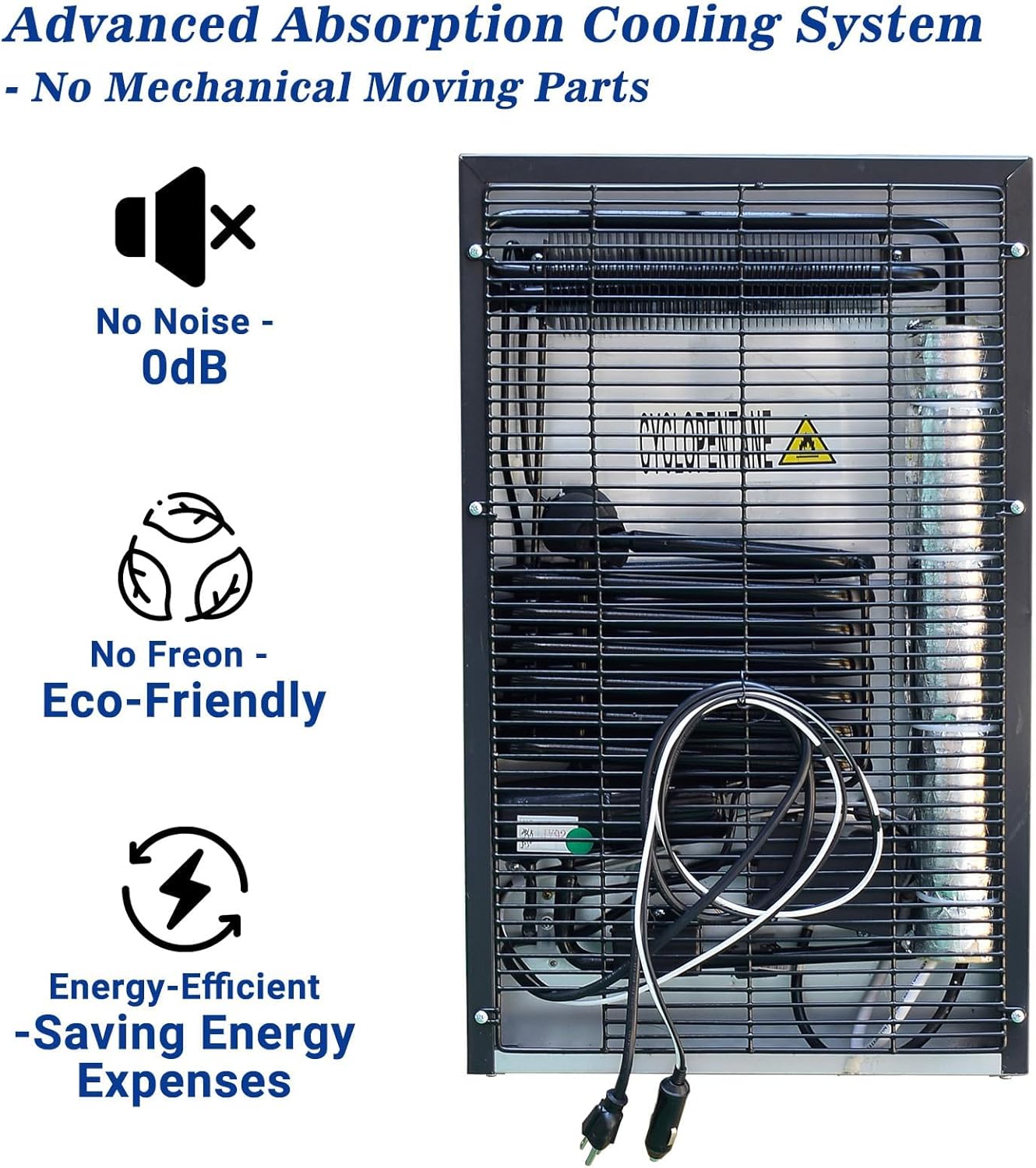
Figure 3.5: Advanced Absorption Cooling System.
The rear view of the refrigerator, detailing the absorption cooling system. Icons indicate "No Noise - 0dB", "No Freon - Eco-Friendly", and "Energy-Efficient - Saving Energy Expenses".

Figure 3.6: 1.7 Cu.Ft Mini Fridge Dimensions.
This image displays the compact refrigerator with its key dimensions: 15.8 inches depth, 18.3 inches width, and 26.3 inches height, illustrating its small footprint.
4. Setup and Installation
4.1 Unpacking
- Remove all packaging materials, including foam and adhesive tape.
- Inspect the refrigerator for any damage during transit. Report any damage to your retailer immediately.
- Keep packaging materials out of reach of children.
4.2 Placement
- Place the refrigerator on a firm, level surface. Uneven surfaces can affect the cooling performance of absorption refrigerators.
- Ensure adequate ventilation around the unit. Maintain at least 5 inches (12.7 cm) of space at the back and sides for proper air circulation.
- Avoid placing the refrigerator in direct sunlight or near heat sources (e.g., ovens, radiators).
- This appliance is suitable for various environments including homes, offices, RVs, and trucks.

Figure 4.1: Versatile Placement Options.
This image shows the compact refrigerator seamlessly integrated into both a modern kitchen setting and a bedroom, demonstrating its adaptability to various indoor environments.
4.3 Initial Use After Transportation
Due to the nature of absorption cooling systems, it is crucial to follow these steps after the refrigerator has been transported:
- Leave the refrigerator upside down for 12 hours.
- Then, leave it upright for another 12 hours.
- After 24 hours, connect it to power and adjust the thermostat to the highest setting for initial cooling.

Figure 4.2: Post-Transportation Setup.
A visual guide illustrating the three-step process for preparing the refrigerator after long-distance transport: leaving it upside down, then upright, and finally powering it on at the highest setting.
4.4 Power Connection
- AC Power: Plug the refrigerator into a standard 110-120V AC wall outlet.
- DC Power: For vehicle use, connect the 12V DC plug into a compatible cigarette lighter adapter.
- Ensure the power source matches the appliance's requirements.
5. Operating Instructions
5.1 Temperature Control
The refrigerator's temperature is controlled by a thermostat knob located inside the unit. Turn the knob to your desired setting. Higher numbers typically indicate colder temperatures. Allow several hours for the temperature to stabilize after adjustment.
5.2 Reversing the Door
The door can be reversed to open from either the left or right side to suit your installation needs. This process typically involves:
- Unplugging the refrigerator from the power source.
- Removing the top hinge cover and screws.
- Lifting the door off the bottom hinge.
- Removing the bottom hinge and transferring it to the opposite side.
- Reattaching the door and securing the top hinge on the new side.
- Refer to the detailed diagram in Figure 3.2 for visual guidance.
5.3 Using the Lock
The integrated lock provides security for your stored items. Insert the key and turn to lock or unlock the door. Ensure the door is fully closed before locking.

Figure 5.1: Refrigerator Door Lock.
A detailed view of the lock mechanism located at the bottom of the refrigerator door, emphasizing its security function.
6. Care and Maintenance
6.1 Cleaning
- Always unplug the refrigerator before cleaning.
- Clean the interior and exterior with a soft cloth and a mild detergent solution.
- Do not use abrasive cleaners, sharp objects, or harsh chemicals, as they can damage surfaces.
- Wipe down door seals regularly to ensure a tight seal.
- Clean the back condenser coils periodically with a soft brush or vacuum cleaner to maintain efficiency.
6.2 Defrosting
This absorption refrigerator features a Hot Gas Defrost or Liquid Defrost system, which typically means manual defrosting is not frequently required. However, if ice buildup occurs:
- Unplug the unit.
- Remove all food items.
- Leave the door open to allow ice to melt naturally.
- Place a towel at the bottom to absorb water.
- Do not use sharp objects to remove ice.
- Once defrosted, clean and dry the interior thoroughly before plugging it back in.
6.3 Removable Racks
The interior shelves and door racks are removable for easy cleaning and flexible storage arrangements.

Figure 6.1: Removable Racks.
A view of the refrigerator's interior, highlighting the adjustable and removable shelves and door racks for customizable storage and easy cleaning.
7. Troubleshooting Guide
Before contacting customer service, please check the following common issues and solutions:
| Problem | Possible Cause | Solution |
|---|---|---|
| Refrigerator does not operate. | No power supply. Power cord not properly plugged in. Circuit breaker tripped. | Check power connection. Ensure plug is firmly inserted. Reset circuit breaker. |
| Refrigerator is not cold enough. | Thermostat set too high. Door not closed properly. Excessive door openings. Poor ventilation. Unit not level. Recently transported. | Adjust thermostat to a colder setting. Ensure door is fully sealed. Minimize door openings. Ensure adequate space around the unit. Level the refrigerator. Allow 24 hours after transport before expecting full cooling. |
| Unusual noises. | Unit not level. Items inside rattling. | Adjust leveling feet. Rearrange items to prevent rattling. |
| Door does not close properly. | Refrigerator not level. Door gasket dirty or damaged. Obstruction. | Adjust leveling feet. Clean or replace door gasket. Remove any obstructions. |
Note: Absorption refrigerators are sensitive to being level. Ensure the unit is perfectly level for optimal performance, especially in RV or truck applications.
8. Specifications
| Feature | Detail |
|---|---|
| Brand | Smad |
| Model Number | DSXDW50 |
| Capacity | 1.7 Cubic Feet |
| Product Dimensions (D x W x H) | 18.3" x 15.8" x 26.3" |
| Item Weight | 53.3 pounds (24.22 Kilograms) |
| Installation Type | Freestanding |
| Voltage | 110 Volts (AC) / 12 Volts (DC) |
| Defrost System | Hot Gas Defrost or Liquid Defrost |
| Door Hinges | Reversible |
| Door Material Type | Plastic |
| Shelf Type | Plastic |
| Number of Doors | 1 |
| Annual Energy Consumption | 290 Kilowatt Hours |
| Color | BLACK |

Figure 8.1: Energy Guide Label.
The official U.S. Government Energy Guide label for the Smad Absorption Mini Fridge, Model DSXDW50, indicating an estimated yearly energy cost of $35 and 290 kWh estimated yearly electricity use.
9. Warranty and Customer Support
Smad stands behind its products and offers customer support. For warranty information, please refer to the documentation included with your purchase or contact Smad customer service directly.
If you have any questions or require assistance, please feel free to contact us via Amazon or through the contact information provided on the Smad official website.
Return Policy: This product typically has a 30-day easy return policy for refund or replacement, as per retailer terms.
Ask a question about this manual
Ask about setup, troubleshooting, compatibility, parts, safety, or missing instructions. Manuals+ will review the question and use this page’s manual context to help answer it.