
1. Introduction
This manual provides detailed instructions for the installation, operation, and maintenance of the Dilwe SIM7600G-H 4G DONGLE LTE USB Modem. This device is designed to provide high-speed 4G network connectivity for various applications, including industrial computers, PCs, and other IoT devices. Please read this manual thoroughly before using the product to ensure proper functionality and safety.
2. Package Contents
Verify that all items listed below are present in your package. If any items are missing or damaged, please contact customer support.
- 1 x SIM7600G-H 4G DONGLE
- 1 x LTE Antenna
- 1 x USB Extension Cable
- 5 x Screws
- 1 x Screwdriver
- 1 x Connection Line

Image 2.1: Package contents including the 4G DONGLE, LTE antenna, USB extension cable, screws, screwdriver, and connection line.
3. Product Overview
The Dilwe SIM7600G-H 4G DONGLE is an industrial-grade LTE USB adapter designed for reliable 4G communication. It features a SIM card slot, USB and UART communication interfaces, and LED indicators for status monitoring.

Image 3.1: Front view of the SIM7600G-H 4G DONGLE with the LTE antenna attached.
3.1. Components and Interfaces
- USB Port: For connecting to a host device (PC, industrial computer, Raspberry Pi).
- UART Port: For serial communication (5V, GND, TXD, RXD, CTS, RTS).
- LTE Antenna Interface: For connecting the included LTE antenna.
- Nano SIM Card Slot: Supports 1.8V / 3V Nano SIM cards (card not included).

Image 3.2: Overview of key features: 4G communication, USB/UART interface, multi-system support, and GNSS positioning.
3.2. LED Indicators
The device features three LED indicators to display its operational status:
- NET (Network LED): Indicates internet connection status.
- STA (Status LED): Indicates the module's operational status.
- PWR (Power LED): Indicates power supply status.

Image 3.3: Detailed view of the LED indicators (NET, STA, PWR), USB port, and UART port on the device.
3.3. SIM Card Slot
The SIM7600G-H 4G DONGLE includes an onboard Nano SIM card slot with a sliding cover for easy insertion and removal of the SIM card.

Image 3.4: The Nano SIM card slot with its sliding cover, designed for easy access.
4. Setup
Follow these steps to set up your Dilwe SIM7600G-H 4G DONGLE.
- Insert SIM Card: Open the sliding cover of the SIM card slot and carefully insert a Nano SIM card (1.8V or 3V) into the slot. Ensure it is correctly oriented. Close the sliding cover.
- Attach LTE Antenna: Screw the provided LTE antenna onto the antenna interface of the 4G DONGLE. The antenna is rotatable for optimal signal reception.
- Connect to Host Device: Plug the 4G DONGLE into an available USB port on your PC, industrial computer, or Raspberry Pi. Use the USB extension cable if needed.
- Driver Installation: The device requires specific drivers for Windows and Linux operating systems. Drivers are typically available from the manufacturer's support website. For this model, drivers can be found at waveshare.net/wiki/SIM7600G-H_4G_DONGLE. Download and install the appropriate driver for your operating system.
- System Configuration: After driver installation, configure your operating system to recognize and use the 4G DONGLE for network access. This usually involves enabling cellular data in network settings.
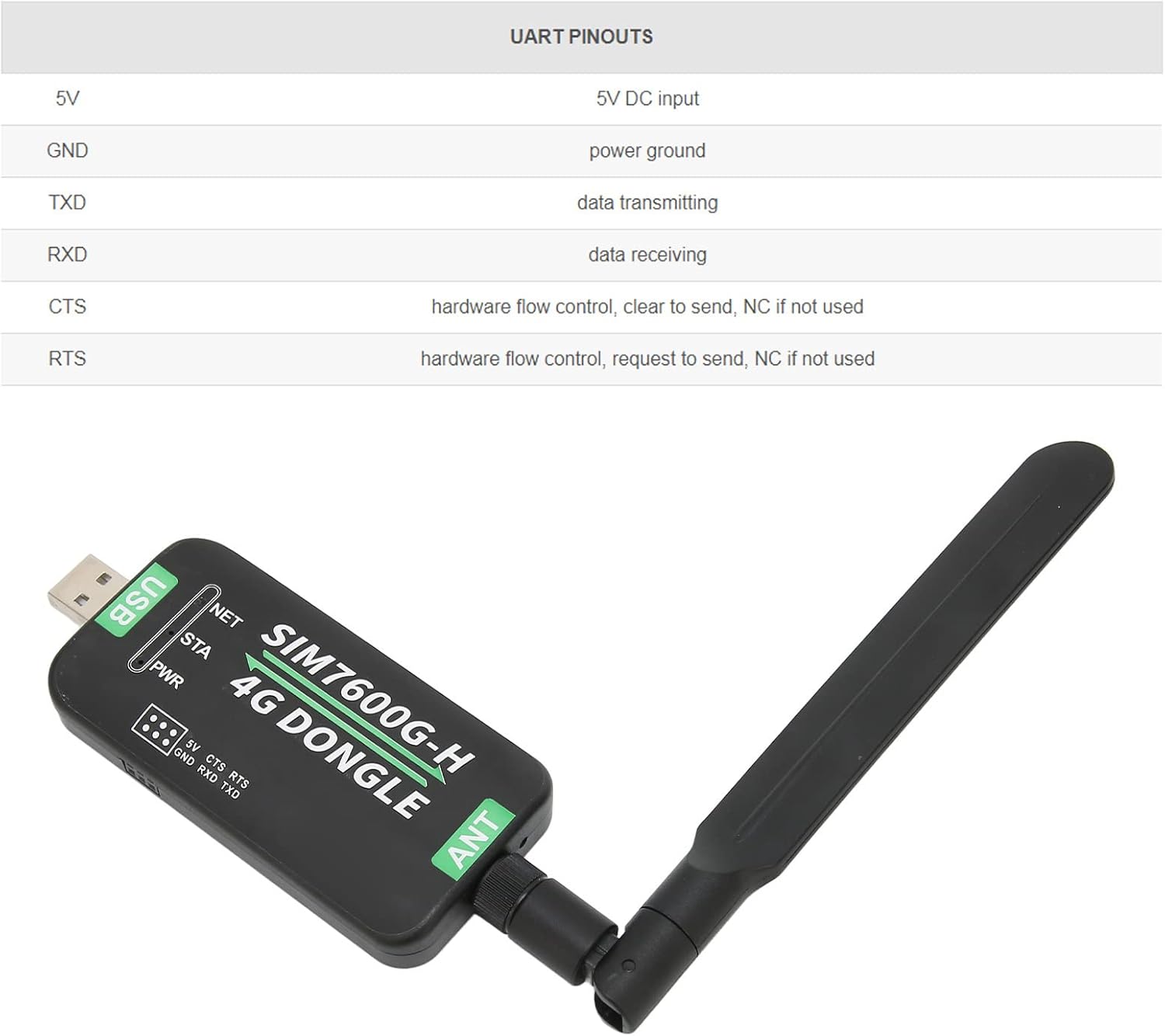
Image 4.1: The 4G DONGLE supports Windows and Linux operating systems.
5. Operating Instructions
Once the setup is complete, you can begin using your 4G DONGLE for internet access.
5.1. Network Connection
- Ensure the SIM card has an active data plan.
- After connecting the DONGLE and installing drivers, your operating system should detect it as a network adapter.
- Enable cellular data in your system's network settings. The DONGLE will attempt to connect to the 4G network.
- Monitor the NET LED indicator: A steady light typically indicates a successful connection.

Image 5.1: The 4G DONGLE provides high-speed internet access for various host devices.
5.2. Data Communication
The SIM7600G-H supports various communication protocols and interfaces:
- Internet Access: NDIS/RNDIS/PPP
- Protocols: TCP/IP/IPV4/IPV6/Multi-PDP/FTP/FTPS/HTTP/HTTPS/DNS
- Short Message Service (SMS): Supports MT, MO, CB, Text, PDU
- GNSS: Supports GPS, Beidou, Glonass, LBS base station positioning
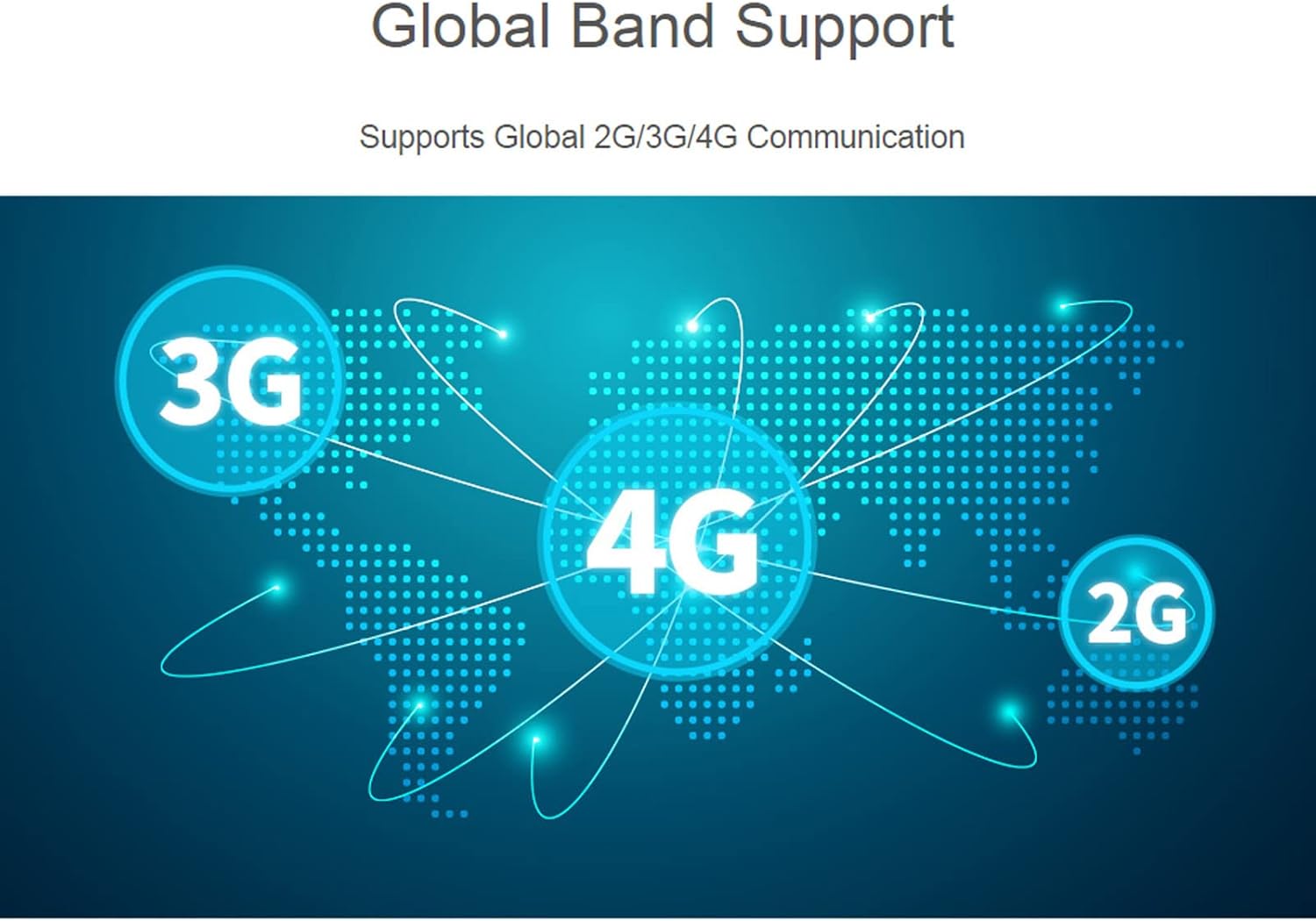
Image 5.2: The device supports global 2G, 3G, and 4G communication bands.
6. Maintenance
To ensure the longevity and optimal performance of your 4G DONGLE, follow these maintenance guidelines:
- Keep the device clean and free from dust and moisture.
- Avoid exposing the device to extreme temperatures or direct sunlight.
- Ensure the antenna is securely attached but do not overtighten.
- Handle the SIM card slot and USB connector with care to prevent damage.
- Regularly check for updated drivers on the manufacturer's website to ensure compatibility and performance improvements.
7. Troubleshooting
If you encounter issues with your 4G DONGLE, refer to the following common troubleshooting steps:
- No Network Connection:
- Verify that the SIM card is correctly inserted and has an active data plan.
- Ensure the LTE antenna is securely attached.
- Check if the drivers are correctly installed for your operating system.
- Confirm that cellular data is enabled in your device's network settings.
- Try connecting the DONGLE to a different USB port or another computer to rule out port or host device issues.
- Slow Connection Speed:
- Ensure the antenna is positioned for optimal signal reception.
- Check your location for 4G network coverage.
- Verify your SIM card's data plan speed limits.
- Device Not Recognized:
- Reinstall the drivers.
- Ensure the USB connection is secure.
- Check your operating system's device manager for any error messages related to the DONGLE.
8. Specifications
Detailed technical specifications for the Dilwe SIM7600G-H 4G DONGLE.
| Feature | Description |
|---|---|
| Model | SIM7600G-H |
| Material | ABS |
| LTE-TDD Frequency Bands | B34/B38/B39/B40/B41 |
| LTE-FDD Frequency Bands | B1/B2/B3/B4/B5/B7/B8/B12/B13/B18/B19/B20/B25/B26/B28/B66 |
| 3G Frequency Bands | UMTS/HSDPA/HSPA+: B1/B2/B4/B5/B6/B8/B19 |
| 2G Frequency Bands | GSM/GPRS: 850/900/1800/1900MHz |
| GNSS Support | GPS, Beidou, Glonass, LBS base station positioning |
| Applicable Area | Universal |
| LTE Cat-4 Data Rate | 150Mbps (DL) / 50Mbps (UL) |
| 3G (HSPA+) Data Rate | 42Mbps (DL) / 5.76Mbps (UL) |
| 2G Data Rate | 236.8Kbps (DL) / 236.8Kbps (UL) |
| 2G (GPRS) Data Rate | 85.6Kbps (DL) / 85.6Kbps (UL) |
| Operating System Support | Windows, Linux |
| Communication Interfaces | USB, UART |
| UART Baud Rate | 300bps - 4Mbps (default: 115200bps) |
| Supported SIM Card | Nano SIM Card (1.8V / 3V) |
| Antenna Interface | LTE |
| Supply Voltage | 5V |
| Logic Voltage | 3.3V |
| Item Weight | 5 ounces |
| Package Dimensions | 6.26 x 4.17 x 1.34 inches |
8.1. UART Pinouts
| Pin | Function |
|---|---|
| 5V | 5V DC input |
| GND | Power ground |
| TXD | Data transmitting |
| RXD | Data receiving |
| CTS | Hardware flow control, Clear To Send (NC if not used) |
| RTS | Hardware flow control, Request To Send (NC if not used) |

Image 8.1: UART pinout details for advanced users.
9. Warranty and Support
Information regarding product warranty and customer support was not available in the provided data. Please refer to the product packaging or the manufacturer's official website for details on warranty coverage, technical support, and service options.