
1. Introduction
This manual provides essential information for the installation, operation, and maintenance of your maXpeedingrods T4 Turbocharger, Street JD Series. This turbocharger is designed for 4.0L-6.0L engines and features a billet compressor wheel for enhanced performance. Please read this manual thoroughly before installation and use to ensure proper function and longevity of the product.
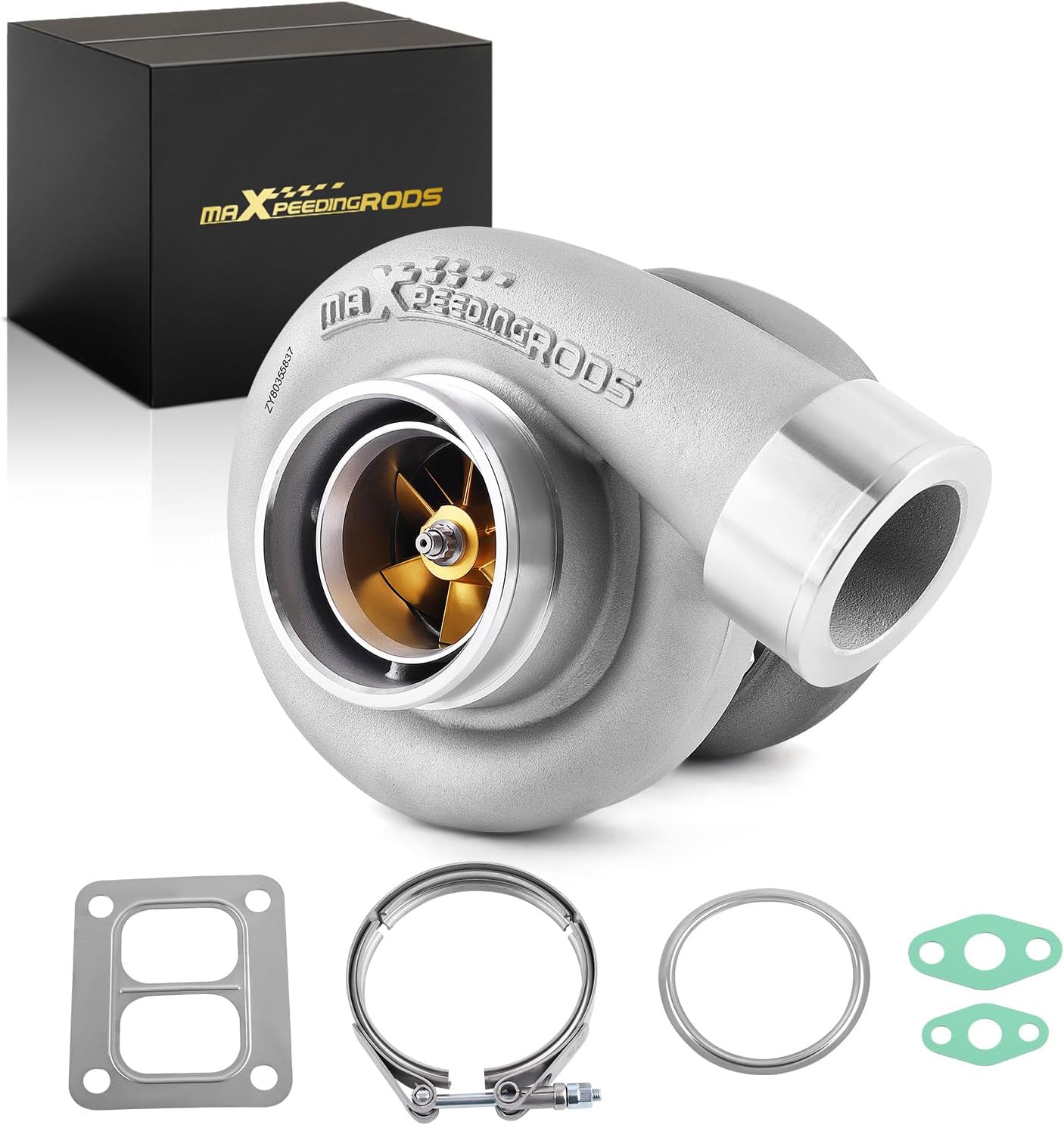
Figure 1: maXpeedingrods T4 Turbocharger (Street JD Series) and included installation components.
2. Product Features
- Billet Compressor Wheel: Forged, full-machined billet aluminum compressor wheel with an aerodynamic design for improved airflow and compression efficiency. This design enhances durability, stability, and boost response.
- High-Temperature Turbine Housing: The turbine housing is constructed from silicon-molybdenum, offering resistance to high temperatures up to 1562°F (850°C). This material choice contributes to increased durability and reliability.
- Upgraded Alloy Turbine Wheel: Features an upgraded K419 alloy turbine wheel with high oxidation stability, capable of operating effectively at temperatures up to 1832°F (1000°C). The wheel is balanced to prevent housing contact and shaft play.
- Durable Journal Bearing: Equipped with a copper alloy journal bearing, designed for high temperature and wear resistance. The bearing design simplifies maintenance and contributes to the turbocharger's overall durability.
- High-Speed Steel Oil Seal: Incorporates a high-speed steel oil seal to prevent oil leakage and smoking, ensuring clean and efficient operation.

Figure 2: Illustration of the high-speed steel oil seal mechanism.

Figure 3: Billet compressor wheel designed for high efficiency and reduced fuel consumption.

Figure 4: K419 Alloy Turbine Wheel, balanced to avoid housing contact and shaft play.

Figure 5: Silicon-Molybdenum Turbine Housing, offering high corrosion and crack resistance.
3. Compatibility
This T4 Turbocharger is compatible with engines ranging from 4.0L to 6.0L, supporting up to 600 horsepower.
Vehicle Fitment Examples:
- Chevrolet Camaro (1967-2002, 2011-2012)
- Chevrolet Silverado 1500 (2003-2007)
- Dodge Challenger (1970-1974, 2009-2020)
- Dodge Charger (1966-1978, 2006-2020)
- Ford Mustang (1979-2020)
- Mazda CX-9 (2007-2012)
Note: This list provides examples. Always verify compatibility with your specific vehicle and engine specifications before installation.
4. Specifications
| Specification | Value |
|---|---|
| Brand | maXpeedingrods |
| Model | T4 Turbocharger Street JD Series |
| Manufacturer Part Number | OPWE |
| OEM Part Number | GT45 |
| Engine Compatibility | 4.0L - 6.0L |
| Horsepower Rating | Up to 600HP |
| Turbine Housing Material | Silicon-Molybdenum |
| Turbine Housing Max Temp | 1562°F (850°C) |
| Turbine Wheel Material | K419 Alloy |
| Turbine Wheel Max Temp | 1832°F (1000°C) |
| Compressor Wheel Type | Billet Aluminum |
| Bearing Type | Journal Bearing (Copper Alloy) |
| Item Weight | 38.9 pounds |
| Product Dimensions | 11.81 x 11.42 x 13.39 inches |

Figure 6: Detailed measurements of the T4 Turbocharger components in millimeters.
5. Setup and Installation
Installation of a turbocharger requires advanced mechanical knowledge and specialized tools. It is highly recommended that installation be performed by a certified professional to ensure proper function, safety, and to prevent damage to the product or vehicle.
General Installation Guidelines:
- Pre-Installation Inspection: Inspect all components for any shipping damage. Ensure all necessary gaskets, bolts, and lines are present and correct.
- Oil Supply and Drain: Ensure a clean and adequate oil supply line is connected to the turbocharger. The oil drain line must have a clear, unobstructed path back to the oil pan, free from kinks or restrictions. Proper oil flow is critical for journal bearing lubrication and cooling.
- Coolant Lines (if applicable): If your turbocharger model includes water cooling, ensure coolant lines are properly connected and free of leaks.
- Exhaust Manifold Connection: Securely mount the turbocharger to the exhaust manifold using appropriate gaskets and hardware.
- Downpipe Connection: Connect the exhaust downpipe to the turbocharger outlet.
- Intake and Charge Pipe Connections: Connect the air intake system to the compressor inlet and the charge pipe to the compressor outlet. Ensure all connections are airtight to prevent boost leaks.
- Wastegate and Boost Control: Properly connect and adjust the wastegate actuator and any external boost control components according to your engine's tuning requirements.
- Initial Start-up: After installation, prime the turbocharger with oil before the first engine start. Allow the engine to idle for several minutes to ensure oil circulation and check for any leaks.
- Tuning: Proper engine tuning is essential after turbocharger installation to prevent engine damage and optimize performance.
Warning: Incorrect installation can lead to severe engine damage, turbocharger failure, and void the product warranty.
6. Operation
Operating a vehicle with a turbocharger requires attention to certain practices to ensure its longevity and optimal performance.
- Warm-up Period: Allow the engine to reach operating temperature before applying significant boost. This ensures proper oil flow and lubrication to the turbocharger's bearings.
- Cool-down Period: After spirited driving or prolonged periods of high boost, allow the engine to idle for a few minutes before shutting it off. This allows the turbocharger to cool down gradually, preventing oil coking in the bearing housing.
- Monitor Engine Parameters: Regularly monitor engine oil pressure, oil temperature, and coolant temperature (if applicable) to ensure they remain within safe operating limits.
- Avoid Excessive Boost: Operate the turbocharger within the recommended boost pressure limits for your engine's tune. Over-boosting can lead to turbocharger failure and engine damage.
7. Maintenance
Regular maintenance is crucial for the performance and lifespan of your maXpeedingrods T4 Turbocharger.
- Oil Changes: Perform frequent oil changes using high-quality synthetic oil as recommended by your engine manufacturer. Turbocharged engines place higher demands on engine oil.
- Oil Filter Replacement: Always replace the oil filter with each oil change. A clogged oil filter can restrict oil flow to the turbocharger.
- Air Filter Inspection: Regularly inspect and replace the engine air filter. A dirty air filter can restrict airflow, causing the turbocharger to work harder and potentially ingest debris.
- Check for Leaks: Periodically inspect all oil, coolant (if applicable), and boost lines for leaks. Address any leaks immediately.
- Inspect for Shaft Play: With the engine off and cold, carefully check for excessive radial or axial shaft play in the turbocharger. A small amount of radial play is normal for journal bearings, but axial play should be minimal.
- Cleanliness: Keep the engine bay clean to prevent debris from entering the turbocharger's intake or cooling systems.
8. Troubleshooting
This section addresses common issues that may arise with turbocharger operation. For complex problems, consult a professional mechanic.
| Symptom | Possible Cause | Solution |
|---|---|---|
| Lack of Boost / Low Power |
|
|
| Excessive Smoke from Exhaust |
|
|
| Unusual Noises (Whining, Hissing) |
|
|
| Oil Leakage from Turbocharger |
|
|
9. Warranty and Support
maXpeedingrods products are manufactured to high standards. For specific warranty details, please refer to the warranty card included with your product or visit the official maXpeedingrods website.
For technical assistance or support inquiries, please contact maXpeedingrods customer service. They aim to reply within 24 hours.

Figure 7: maXpeedingrods customer support is available to assist with inquiries.