
1. Introduction
This manual provides detailed instructions for the installation, operation, and maintenance of the ciciglow 4-20mA Anemometer Wind Speed Sensor. Please read this manual thoroughly before using the product to ensure correct operation and to prevent damage.
The ciciglow wind speed sensor is a specialized meteorological measurement instrument designed for high-precision wind speed detection. It features a durable aluminum alloy shell, a 4-20mA output signal, and a wide measurement range, making it suitable for various applications.
2. Product Features
- High-Quality Shell: The surface is treated with electroplating and spraying for anti-corrosion and anti-invasion properties, ensuring no rust over long periods. The aluminum alloy shell is resistant to moisture and corrosion.
- Stable Performance: Innovative design allows for 360-degree wind speed measurement with low power consumption and accurate readings. Its small size and light weight reduce friction, enhancing sensitivity and measurement precision.
- Stable Base Design: The anemometer's base is designed for stability, improving load-bearing capacity and anti-interference capabilities, thus ensuring measurement accuracy.
- High-Quality Aviation Connectors: Equipped with premium aviation cable connectors, offering excellent anti-corrosion and anti-erosion functions.
- Wide Application: Features a shielded black wire, waterproof and oil-proof, with a four-wire cable for strong anti-interference capability and stable long-distance signal transmission.
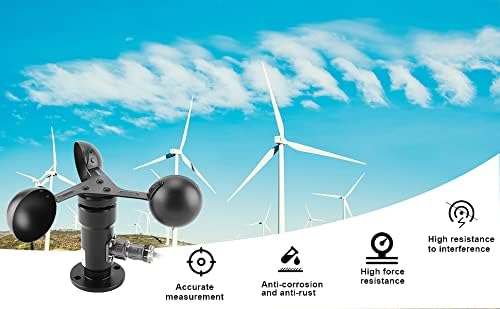
Figure 2.1: Overview of the ciciglow Anemometer highlighting its key features against a backdrop of wind turbines.

Figure 2.2: The robust aluminum alloy housing of the anemometer, designed for durability.

Figure 2.3: The anemometer demonstrating its moisture-proof and corrosion-resistant housing, designed for durability in harsh environments.
3. Specifications
| Parameter | Value |
|---|---|
| Item Type | Wind Sensor |
| Material | Aluminum Alloy, Polycarbonate |
| Output Signal | 4-20mA |
| Wind Speed Measurement Range | 0-30m/S |
| Wind Speed Measurement Accuracy | ±1m/S |
| Response Time | 5s |
| Baud Rate | 2400/4800/9600 |
| Power Consumption | 1W |
| Operating Temperature | -30 - 80°C |
| Operating Humidity | 0-100% RH (15-95% RH recommended) |
| Weight | Approx. 356g |
| Height | Approx. 12.4cm |
| Product Model Number | ciciglowpx2ib9r54u7890 |
4. Setup and Installation
Follow these steps for proper installation of the wind speed sensor:
- Ensure that the mounting bracket is parallel to the ground.
- Install the sensor using the flange and secure it to the bracket with bolts.
- Connect the aviation cable connector to the sensor's socket.

Figure 4.1: Anemometer components including the sensor unit, mounting hardware (screws and nuts), and the connection cable with its aviation connector.
5. Wiring Instructions
The sensor uses a four-wire connection. Refer to the following color code for proper wiring:
- Brown: Positive Power Supply (12-24V)
- Black: Negative Power Supply
- Yellow: 485-A (Data Line A)
- Blue: 485-B (Data Line B)

Figure 5.1: Detailed view of the aviation connector and the color-coded wires for power and data connections.

Figure 5.2: The male aviation connector plug, designed for secure and corrosion-resistant connection.

Figure 5.3: The female aviation connector socket located at the base of the anemometer for cable attachment.
6. Operation
Once properly installed and wired, the ciciglow Anemometer will continuously measure wind speed and output data via its 4-20mA signal. Connect the sensor to a compatible data logger, PLC, or display unit to read and interpret the wind speed data.
Ensure the power supply (12-24V) is stable and within the specified range for optimal performance. The sensor operates automatically once powered.
7. Maintenance
To ensure long-term accuracy and reliability of your ciciglow Anemometer, consider the following maintenance guidelines:
- Regular Cleaning: Periodically clean the sensor cups and housing to remove dust, dirt, or debris that may affect measurement accuracy. Use a soft, damp cloth. Avoid abrasive cleaners.
- Inspect Connections: Check the aviation cable connector and wiring periodically for any signs of corrosion, wear, or loose connections. Ensure the connection remains secure and waterproof.
- Environmental Protection: While the sensor is designed to be moisture-proof and corrosion-resistant, extreme environmental conditions (e.g., heavy icing, severe storms) may require additional protective measures or more frequent inspection.
- Calibration Check: If precise measurements are critical, consider periodic calibration checks against a known standard.
8. Troubleshooting
If you encounter issues with your ciciglow Anemometer, refer to the following common problems and solutions:
- No Output Signal:
- Check power supply: Ensure 12-24V is correctly applied to the brown (positive) and black (negative) wires.
- Verify wiring: Confirm that the yellow (485-A) and blue (485-B) data lines are correctly connected to your receiving device.
- Inspect cable: Check for any physical damage to the cable or connectors.
- Inaccurate Readings:
- Check for obstructions: Ensure there are no physical obstructions (e.g., branches, buildings) near the sensor that could interfere with wind flow.
- Clean sensor cups: Dirt or debris on the rotating cups can affect accuracy. Clean them gently.
- Verify mounting: Ensure the sensor is mounted level and securely.
- Intermittent Signal:
- Check all connections for looseness.
- Ensure the cable shielding is properly grounded if applicable to your system, to minimize electromagnetic interference.
If the problem persists, contact ciciglow customer support for further assistance.
9. Applications
The ciciglow 4-20mA Anemometer Wind Speed Sensor is suitable for a wide range of applications, including but not limited to:
- Power plant wind speed measurement
- Meteorological monitoring (wind speed and direction)
- Navigation and aviation wind speed and direction measurement
- Smart wind speed and direction monitoring systems
- Greenhouse environmental control
- Aquaculture monitoring
- Construction machinery (cranes, gantry cranes, tower cranes, etc.)
- Railways, ports, docks
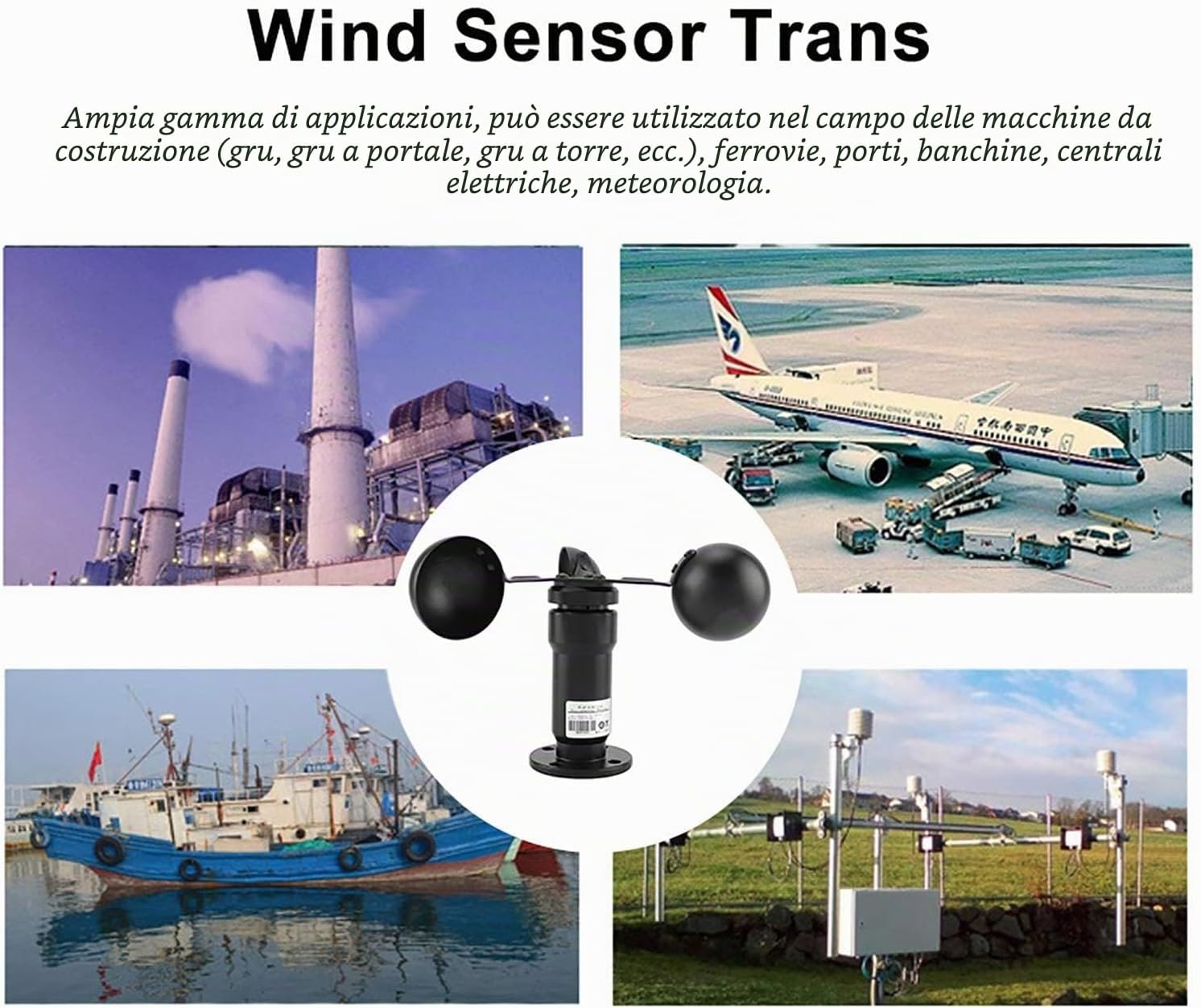
Figure 9.1: Examples of environments where the ciciglow Anemometer can be effectively utilized for wind speed measurement.
10. Warranty and Support
For warranty information and technical support, please refer to the product packaging or contact ciciglow customer service directly. Keep your purchase receipt for warranty claims.
For further assistance, please visit the official ciciglow store: ciciglow Store