
1. Introduction
This manual provides essential information for the safe and effective use of the Weewooday DC-DC Step-Up Power Module. This module is designed to convert a lower DC input voltage (0.9V-5V) to a stable 5V DC output, suitable for various electronic projects and applications requiring a boosted voltage supply.
2. Safety Information
- Input Voltage Limits: Ensure the input voltage does not exceed 5V. Exceeding this limit can damage the module.
- Output Current Limits: Do not exceed the maximum output current of 480mA. Overloading the module can lead to voltage drop or damage.
- Input Power vs. Output Power: The input power must always be greater than the desired output power. If input power is insufficient, the output voltage may be lower than the nominal 5V.
- Polarity: Always observe correct input and output polarity. Incorrect connections can cause irreversible damage.
- Handling: Handle the module with care to avoid electrostatic discharge (ESD) damage.
- Ventilation: Ensure adequate ventilation, especially when operating at higher loads, to prevent overheating.
3. Product Overview
The Weewooday DC-DC Step-Up Power Module is a compact and efficient voltage boost converter. It is designed for applications requiring a stable 5V output from a lower voltage source. The module features a small form factor, making it suitable for integration into various electronic circuits.
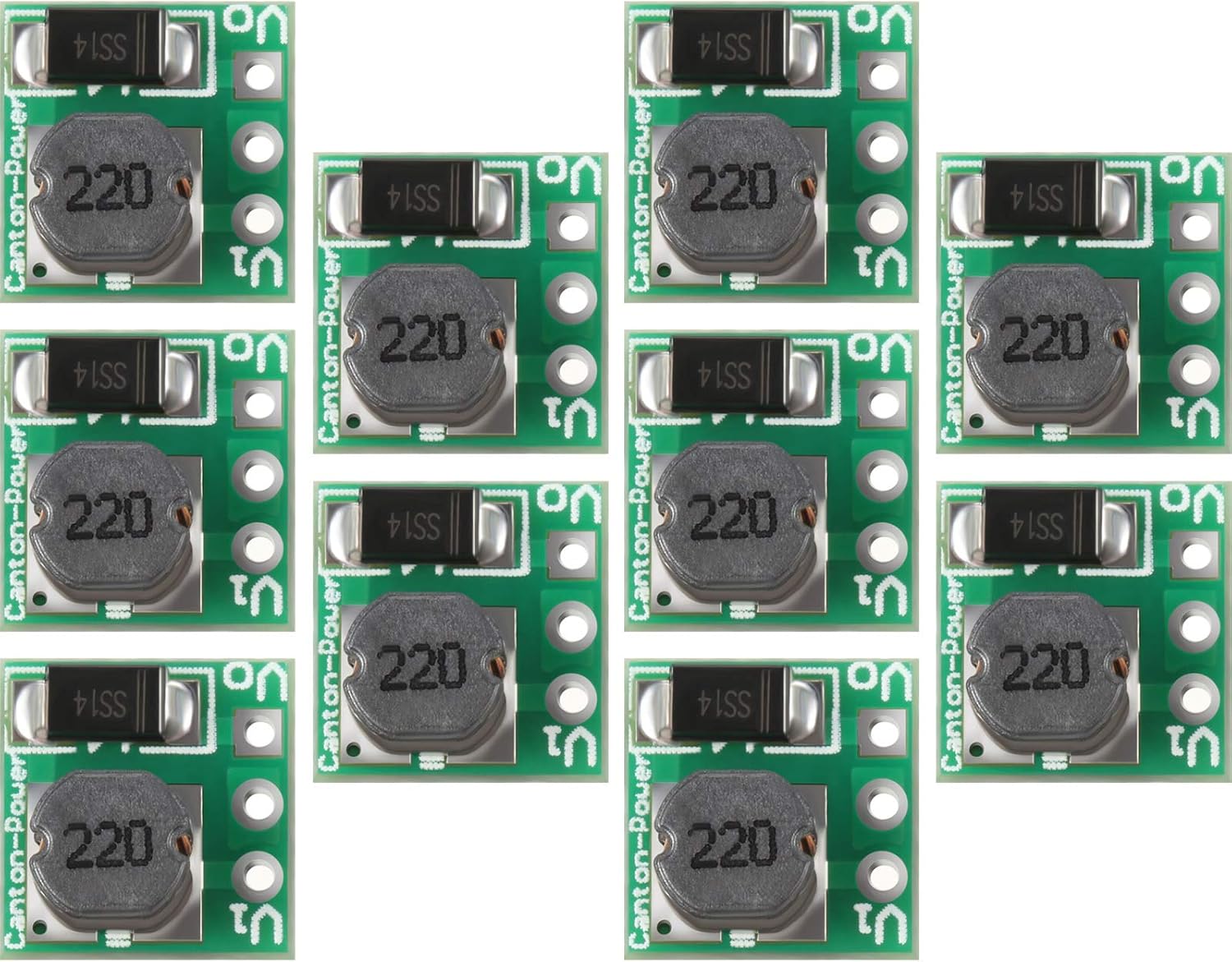
Image 3.1: A set of ten Weewooday DC-DC Step-Up Power Modules, showcasing their compact size and green PCB design.
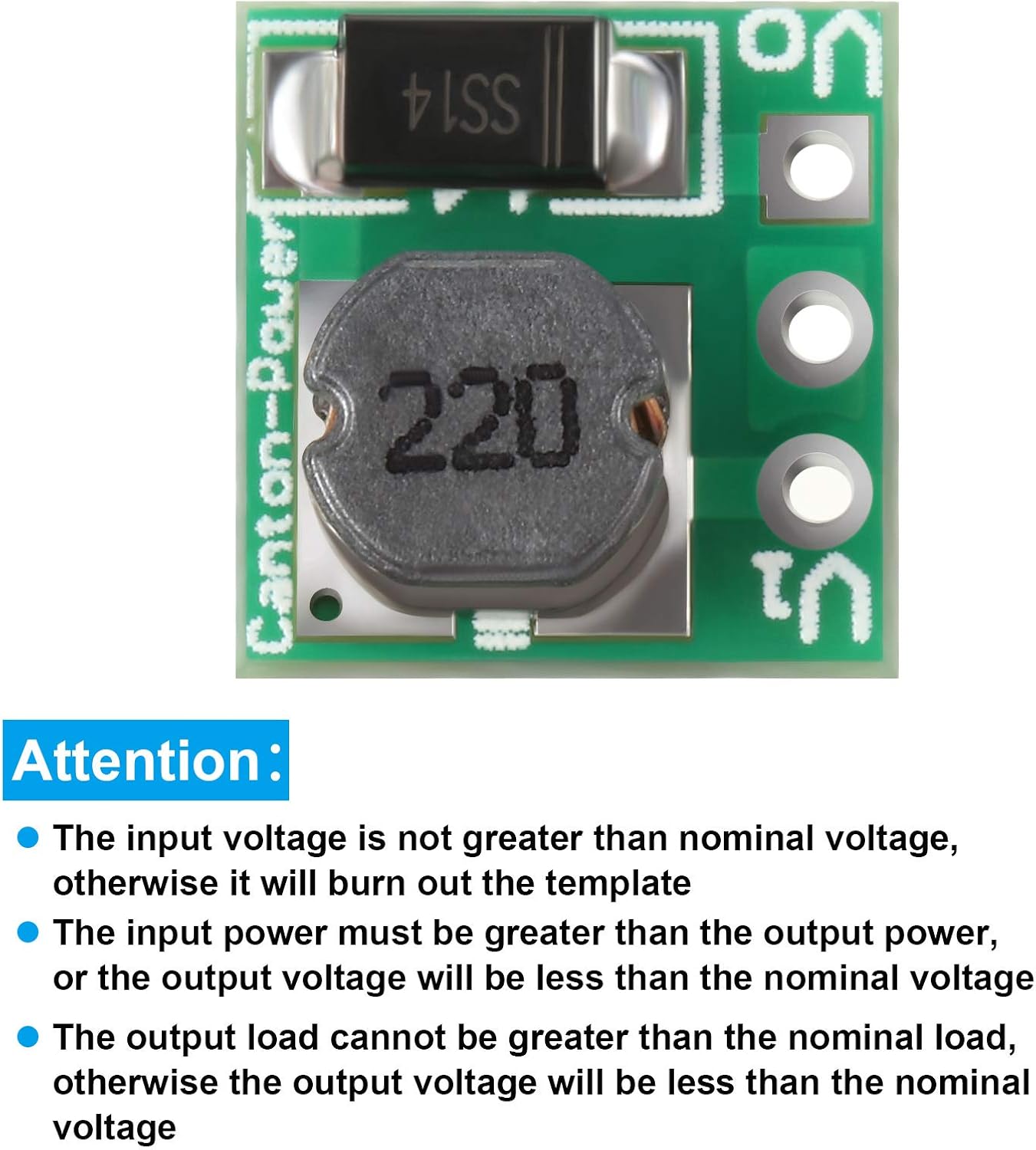
Image 3.2: A detailed top-down view of a single DC-DC Step-Up Power Module, highlighting the inductor (labeled '220') and the SS14 diode.

Image 3.3: A close-up of the module, showing the input (Vi), ground (GND), and output (Vo) solder pads, along with the integrated circuit (IC) on the underside.
Video 3.1: An overview video demonstrating the Weewooday DC-DC Step-Up Power Module, showing its physical characteristics and potential applications.
4. Specifications
| Feature | Value |
|---|---|
| Input Voltage | 0.9V - 5V DC |
| Output Voltage | 5V DC |
| Maximum Output Current | 480mA |
| Operating Frequency | 150KHz |
| Conversion Efficiency | Typically 85% |
| Pin Grid Spacing | 2.54 mm |
| Dimensions (L x W x H) | 11mm x 10.5mm x 7.5mm (approx. 0.43 x 0.41 x 0.3 inches) |
| Weight | Approx. 1g |

Image 4.1: Diagram illustrating the dimensions of the DC-DC Step-Up Power Module, showing its length (11mm), width (10.5mm), and pin spacing (2.54mm).
5. Setup
Before connecting the module, ensure all power sources are disconnected.
5.1 Pinout
The module typically has three main connection points:
- Vi (Input Voltage): Connect your DC input voltage source (0.9V to 5V) to this pin.
- GND (Ground): Connect the common ground for both input and output to this pin.
- Vo (Output Voltage): Connect your 5V load to this pin.
5.2 Connection Procedure
- Identify the Vi, GND, and Vo pins on the module.
- Solder wires or connect appropriate connectors to these pins.
- Connect the positive terminal of your input power source (e.g., battery, solar panel) to the Vi pin.
- Connect the negative terminal of your input power source to the GND pin.
- Connect the positive terminal of your 5V load to the Vo pin.
- Connect the negative terminal of your 5V load to the GND pin.
- Double-check all connections for correct polarity and secure soldering/connections.

Image 5.1: An example setup showing the DC-DC Step-Up Power Module connected to a power supply for input and a multimeter for output voltage measurement, illustrating typical wiring.
6. Operation
Once the module is correctly wired, apply power to the input. The module will automatically boost the input voltage to a stable 5V output. Monitor the output voltage and current to ensure it remains within the specified limits for your application.
- The module's operating frequency is 150KHz.
- Typical conversion efficiency is 85%. Efficiency may vary based on input voltage and load conditions.
7. Maintenance
The Weewooday DC-DC Step-Up Power Module requires minimal maintenance. Keep the module clean and free from dust and moisture. Periodically inspect connections for any signs of corrosion or loose wiring. Ensure the operating environment allows for proper heat dissipation, especially during continuous operation at higher loads.
8. Troubleshooting
- No Output Voltage or Low Output Voltage:
- Verify input voltage is within the 0.9V-5V range.
- Check all wiring for correct polarity and secure connections.
- Ensure the input power source can supply enough current for the desired output power. The input power must be greater than the output power.
- Reduce the load on the output. The maximum output current is 480mA. Exceeding this can cause voltage drop.
- Module Overheating:
- Reduce the output load.
- Ensure adequate ventilation around the module.
- Module Damaged:
- If the input voltage exceeded 5V, the module may be permanently damaged.
- If output current significantly exceeded 480mA for an extended period, the module may be damaged.
9. Warranty & Support
For warranty information or technical support, please refer to the product packaging or contact your retailer. Keep your purchase receipt for warranty claims.