
1. Safety Instructions
Read and understand all safety warnings and instructions before operating this tool. Failure to follow the warnings and instructions may result in electric shock, fire, and/or serious injury.
- Work Area Safety: Keep the work area clean and well-lit. Cluttered or dark areas invite accidents. Do not operate power tools in explosive atmospheres, such as in the presence of flammable liquids, gases, or dust.
- Electrical Safety: Power tool plugs must match the outlet. Never modify the plug in any way. Do not use any adapter plugs with earthed (grounded) power tools. Avoid body contact with earthed or grounded surfaces such as pipes, radiators, ranges, and refrigerators.
- Personal Safety: Always wear appropriate personal protective equipment (PPE) including safety glasses, gloves, and sturdy footwear. Do not overreach. Keep proper footing and balance at all times.
- Tool Use and Care: Do not force the power tool. Use the correct power tool for your application. Disconnect the plug from the power source before making any adjustments, changing accessories, or storing power tools.
- Maintenance: Maintain power tools. Check for misalignment or binding of moving parts, breakage of parts, and any other condition that may affect the power tool’s operation. If damaged, have the power tool repaired before use.
2. Product Overview
The Anbull RB-16 Electric Hydraulic Rebar Bender is designed for efficient and precise bending of rebar up to 16mm (5/8 inch) in diameter. It features a powerful 900W pure copper coil motor and a hydraulic piston for reliable performance.
Key Features:
- Bending Capacity: Up to 16mm (#5) rebar.
- Bending Angle: Adjustable from 0 to 130 degrees.
- Motor: 900W Pure Copper Coil Motor for durability and efficiency.
- Operation: One-button control for ease of use.
- Hydraulic System: Powerful hydraulic piston with a pressure relief valve.
- Portability: Ergonomic design with a portable handle.
- Precision: Removable positioning bolt for accurate angle setting.
Components:
Familiarize yourself with the main components of the rebar bender:
- Main Body/Motor Housing
- Bending Head/Bending Block
- Hydraulic Piston
- Operating Switch
- Pressure Relief Valve
- Positioning Bolt
- Handle
- Power Cord
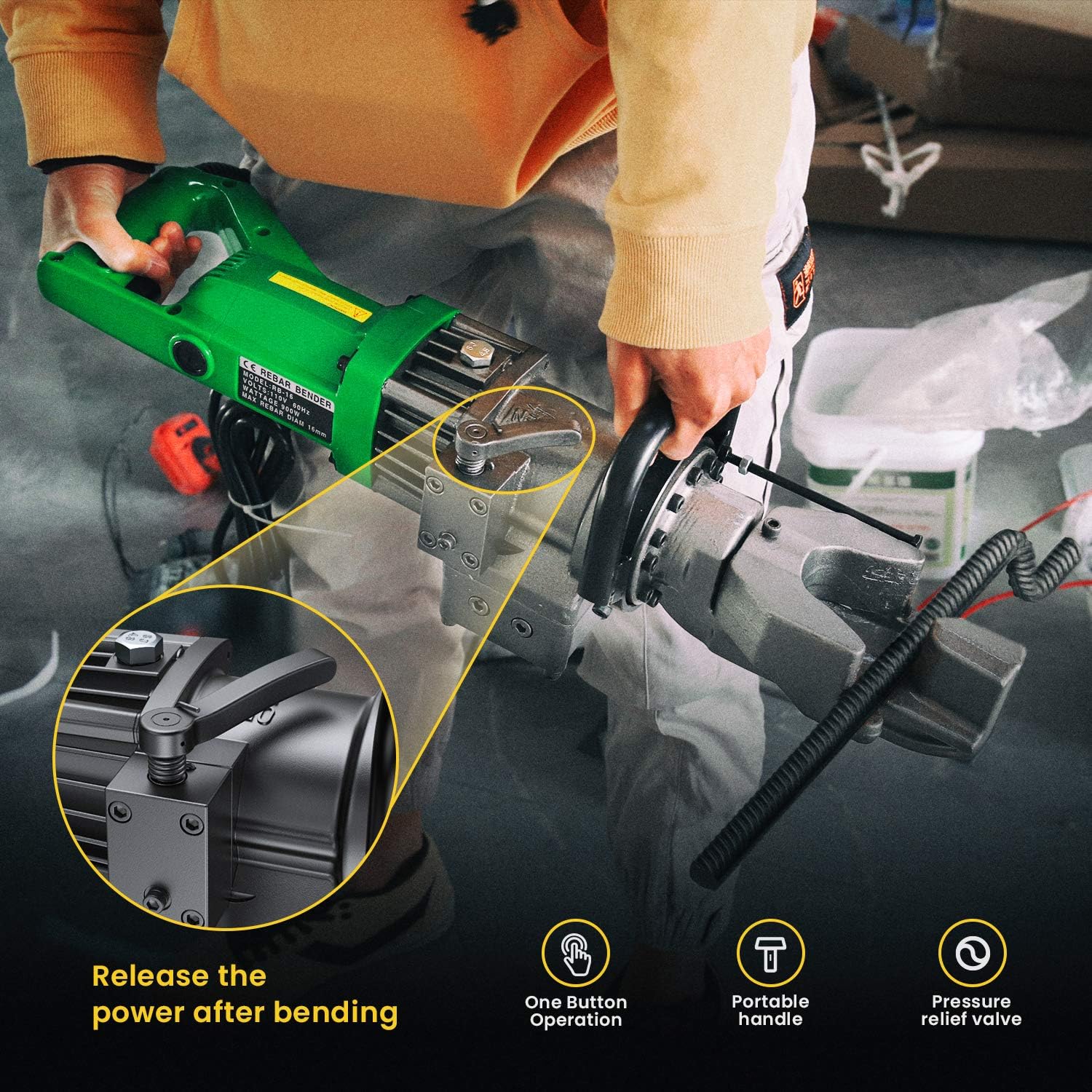
Figure 2.1: Overview of the Anbull RB-16 Rebar Bender, highlighting the one-button operation, portable handle, and the pressure relief valve for releasing power after bending.

Figure 2.2: Illustration of the hydraulic powered piston, demonstrating its mechanism for bending rebar.

Figure 2.3: Diagram illustrating the pure copper coil motor, emphasizing its longer service life, powerful performance, and energy efficiency.
3. Setup
Before operating the Anbull RB-16 Rebar Bender, ensure proper setup to guarantee safe and efficient use.
3.1 Unpacking and Inspection
- Carefully remove the rebar bender from its packaging.
- Inspect the tool for any signs of damage that may have occurred during shipping. Do not operate the tool if it appears damaged.
- Verify that all components listed in the packing list are present.
3.2 Power Connection
- Ensure the power switch is in the "OFF" position before plugging in the tool.
- Connect the power cord to a standard 110V power outlet. Ensure the outlet is properly grounded.
3.3 Positioning the Tool
- Place the rebar bender on a stable, flat surface.
- Ensure there is sufficient clear space around the tool for safe operation and rebar movement.
4. Operating Instructions
Follow these steps for safe and effective rebar bending.
4.1 Preparing for Bending
- Select Rebar: Ensure the rebar diameter is within the tool's capacity (4-16mm).
- Set Bending Angle: Use the removable positioning bolt to set the desired bending angle (0-130 degrees). The markings on the bolt assist in achieving the correct angle.
- Position Rebar: Insert the rebar into the bending head, ensuring it is securely seated against the bending block and the positioning bolt.
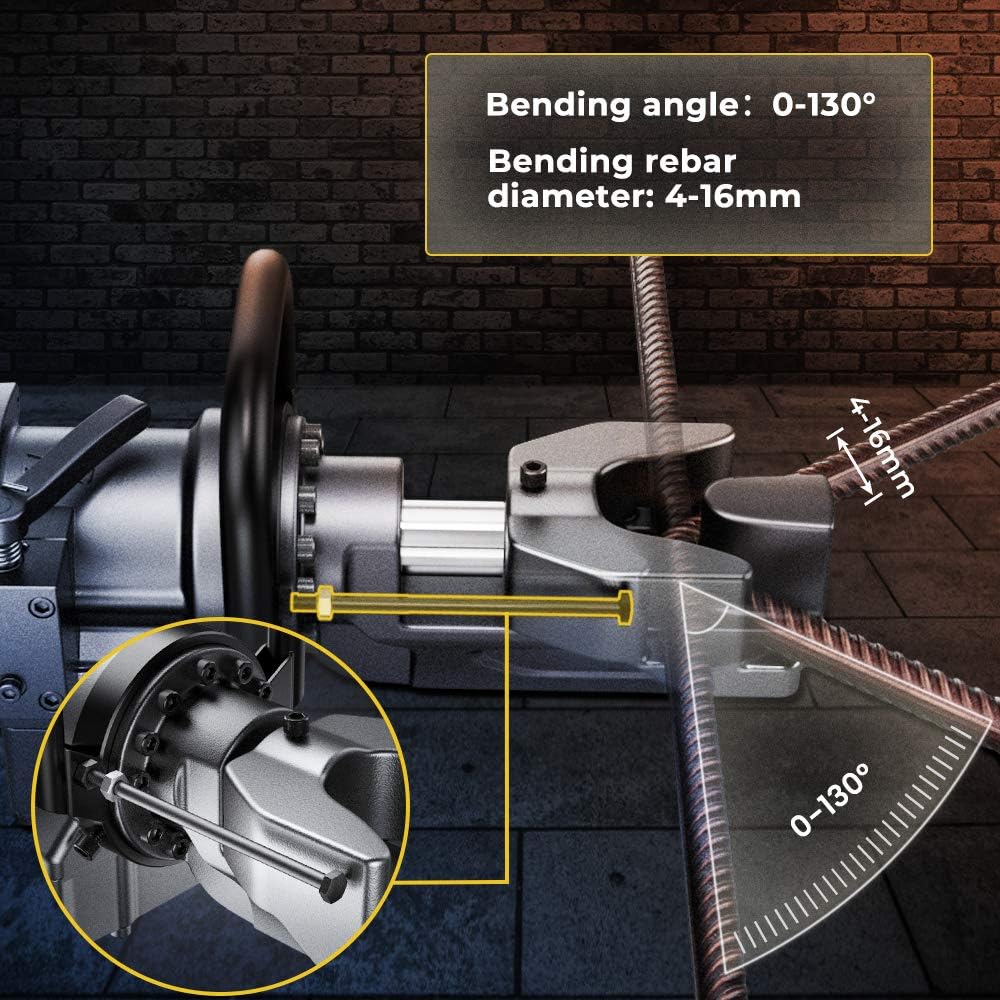
Figure 4.1: Illustration of rebar placement in the bending mechanism, indicating the adjustable bending angle from 0-130 degrees and rebar diameter capacity of 4-16mm.
4.2 Bending Procedure
- Engage Bending: Press and hold the operating switch. The bending block will begin to push forward, initiating the bend.
- Monitor Angle: Continuously observe the rebar as it bends.
- Release Switch: Once the desired angle is achieved, release the operating switch.
- Reset Bending Block: Loosen the pressure relief valve switch to retract the bending block to its original position. This releases the hydraulic pressure.
- Remove Rebar: Carefully remove the bent rebar from the tool.
Note: If the handle casing is damaged, please refer to replacement handle casing ASIN: B0C1N5VKZQ for repair.
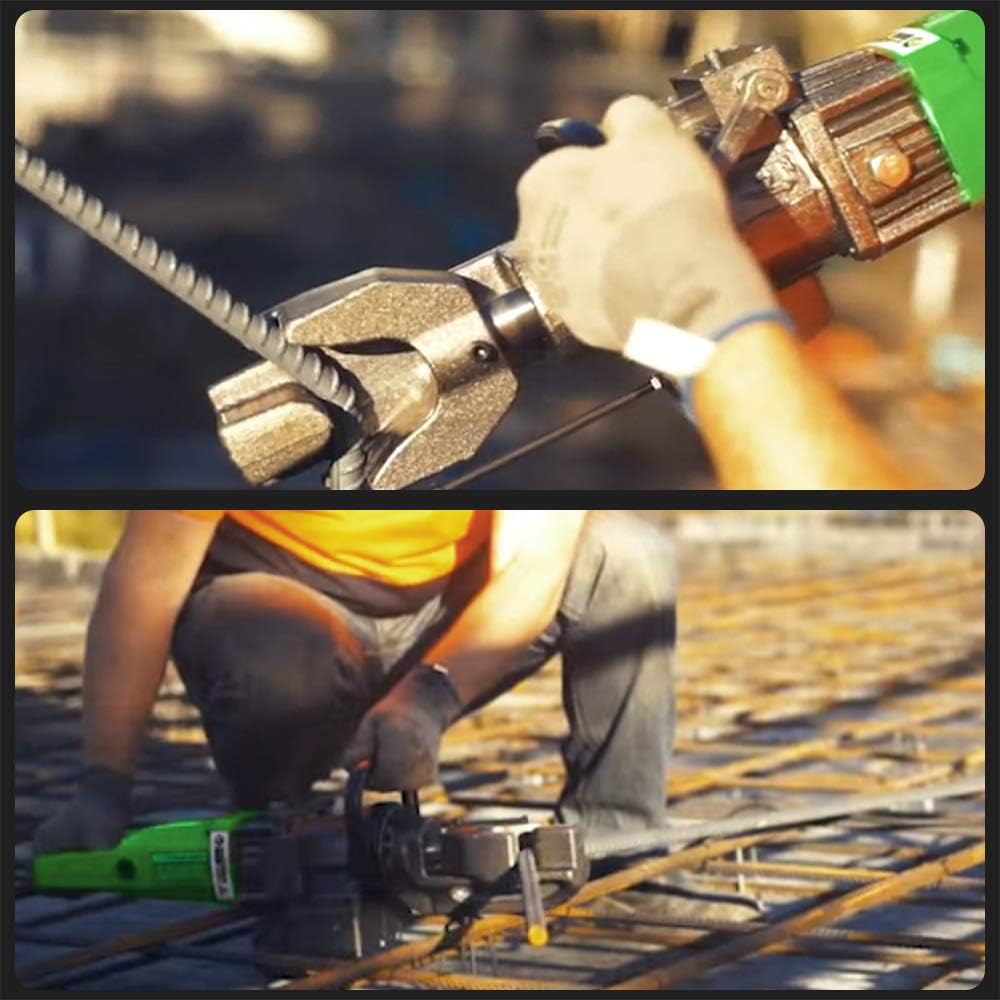
Figure 4.2: The rebar bender in operation, demonstrating how rebar is positioned and bent.
5. Maintenance
Regular maintenance ensures the longevity and optimal performance of your Anbull RB-16 Rebar Bender.
5.1 Cleaning
- After each use, clean the bending head and surrounding areas to remove any rebar fragments or debris.
- Use a dry cloth or soft brush. Do not use solvents or abrasive cleaners.
5.2 Lubrication
- Periodically apply a small amount of machine oil to the moving parts of the bending head and hydraulic piston to ensure smooth operation.
- Refer to the product diagram for specific lubrication points.
5.3 Storage
- Store the rebar bender in its original metal case in a dry, clean, and secure location, away from direct sunlight and moisture.
- Ensure the power cord is neatly coiled and not kinked.
6. Troubleshooting
This section addresses common issues you might encounter with your rebar bender.
| Problem | Possible Cause | Solution |
|---|---|---|
| Tool does not power on. | No power supply; faulty power cord/plug; internal electrical issue. | Check power outlet and cord. Ensure the switch is engaged. If problem persists, contact customer support. |
| Bending block does not move forward. | Insufficient hydraulic fluid; motor issue; switch malfunction. | Ensure the tool is powered. Check for any obstructions. If the issue is hydraulic, contact customer support. |
| Bending block does not retract after bending. | Pressure relief valve not activated; hydraulic system issue. | Ensure the pressure relief valve switch is loosened. If it still doesn't retract, contact customer support. |
| Inaccurate bending angles. | Incorrect positioning bolt setting; rebar not seated properly. | Verify the positioning bolt is set correctly. Ensure rebar is firmly seated before bending. |
| Excessive noise or vibration during operation. | Loose components; motor or hydraulic system malfunction. | Stop operation immediately. Inspect for loose parts. If the issue persists, contact customer support. |
7. Specifications
| Model Number | RB-16 |
| Manufacturer | Anbull |
| Power | 900 Watts |
| Voltage | 110 Volts |
| Bending Capacity | 4-16 mm (up to 5/8" #5 rebar) |
| Bending Angle | 0-130 degrees |
| Product Dimensions (L x W x H) | 66.04 x 27.94 x 27.94 cm (26.0 x 11.0 x 11.0 inches) |
| Product Weight | 22.68 kg (50 Pounds) |
| Style | With metal case |
| ASIN | B08R5R2WP2 |
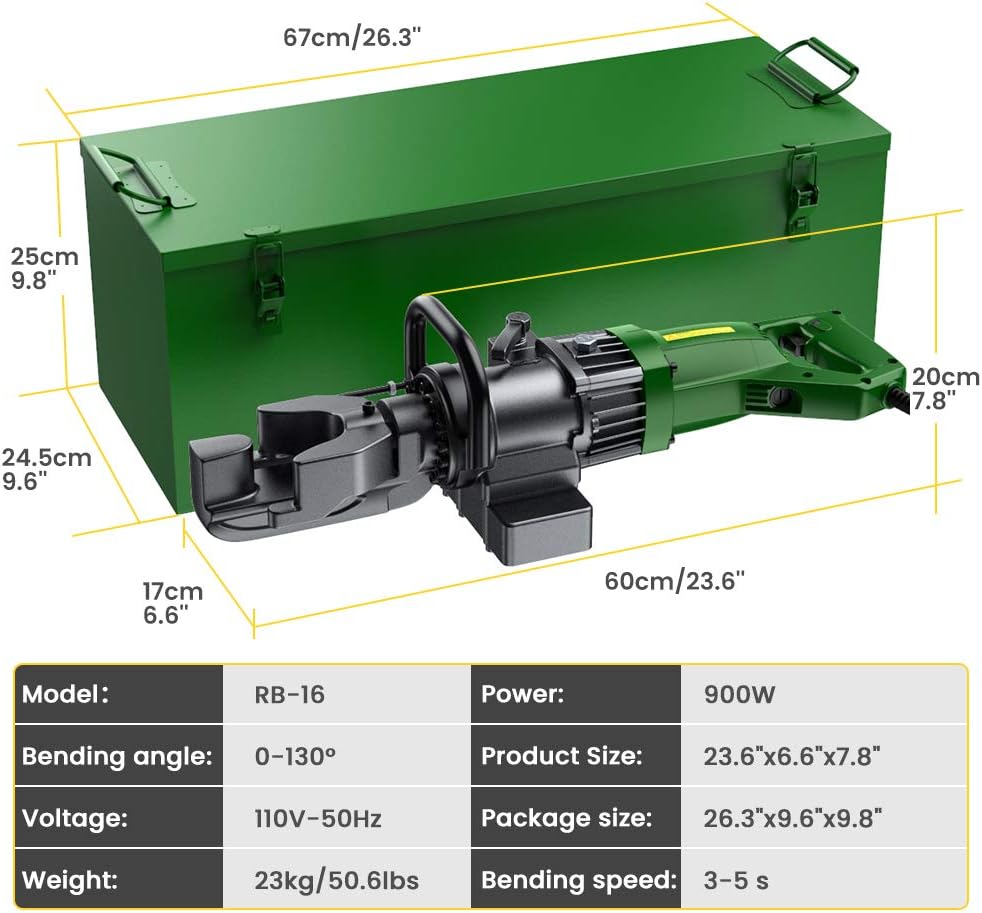
Figure 7.1: Detailed dimensions and key specifications of the Anbull RB-16 Rebar Bender.
8. Warranty and Support
8.1 Warranty Information
The Anbull RB-16 Electric Hydraulic Rebar Bender comes with a one-year warranty from the date of purchase. This warranty covers defects in materials and workmanship under normal use.
- The warranty does not cover damage caused by misuse, abuse, unauthorized modifications, or normal wear and tear.
- Keep your purchase receipt as proof of purchase for warranty claims.
8.2 Customer Support
For technical assistance, warranty claims, or replacement parts, please contact Anbull customer support. Refer to the official Anbull website or your purchase documentation for contact details.
When contacting support, please have the following information ready:
- Model Number: RB-16
- ASIN: B08R5R2WP2
- Date of Purchase
- Detailed description of the issue
Note: If the handle casing is damaged, a replacement handle casing can be found using ASIN: B0C1N5VKZQ.