
1. Introduction
This manual provides essential information for the proper installation, operation, and maintenance of your Delmitan XL 306 Teeth PU Timing Belt. Adhering to these guidelines will ensure optimal performance, longevity, and safety of the product within its intended application. This timing belt is designed for synchronous power transmission, offering high anti-wear ability and reliable operation.
2. Product Overview
The Delmitan XL 306 Teeth PU Timing Belt is a closed-loop power transmission component engineered for precision and durability. Key characteristics include:
- Material: Constructed from high-quality Polyurethane (PU) with internal steel cord reinforcement for enhanced strength and stability.
- Dimensions: Features a width of 25.4mm and a length corresponding to 306 teeth.
- Profile: XL tooth profile, designed for efficient and precise power transfer.
- Performance: Offers high anti-wear ability, low noise operation, eliminates the need for lubrication, prevents skidding, and ensures stable, synchronous torque transmission over long distances.

Figure 1: A coiled Delmitan XL 306 Teeth PU Timing Belt, showcasing its ribbed surface and flexible structure.
3. Safety Information
Always prioritize safety when working with machinery and power transmission components. Failure to observe safety precautions can result in serious injury or equipment damage.
- Ensure all machinery is powered off and locked out before attempting installation, maintenance, or inspection of the timing belt.
- Wear appropriate personal protective equipment (PPE), including safety glasses and gloves.
- Do not operate machinery with exposed belts or pulleys. Ensure all guards are in place.
- Consult the machinery's specific safety manual for additional precautions.
4. Setup and Installation
Proper installation is crucial for the performance and lifespan of the timing belt. Refer to your equipment's specific service manual for detailed installation procedures.
- Preparation: Ensure the timing pulleys are clean, free of debris, and properly aligned. Inspect pulleys for any wear or damage that could affect belt performance.
- Mounting: Carefully place the timing belt onto the pulleys. Avoid forcing or prying the belt, as this can damage the steel cords or teeth.
- Tensioning: Adjust the tension according to the machinery manufacturer's specifications. Incorrect tension (too loose or too tight) can lead to premature wear, slippage, or excessive load on bearings. Use a tension meter if available.
- Alignment: Verify that the pulleys are correctly aligned. Misalignment can cause uneven belt wear and tracking issues.
- Final Check: Manually rotate the system to ensure the belt tracks correctly and there are no obstructions.

Figure 2: A worker operating machinery, likely involved in the manufacturing or processing of timing belts, demonstrating industrial application context.
5. Operating Principles
Timing belts operate on a positive engagement principle, where the teeth of the belt mesh with the grooves of the timing pulleys. This design ensures:
- Synchronous Motion: Precise speed ratios are maintained between the driving and driven shafts, critical for applications requiring exact positioning.
- High Efficiency: Minimal power loss due to friction compared to other drive systems.
- Clean Operation: No lubrication is required, making them suitable for environments where cleanliness is important.
- Reduced Maintenance: Due to their design, timing belts generally require less maintenance than chain drives.
6. Maintenance
Regular inspection and proper maintenance will extend the life of your Delmitan timing belt.
- Visual Inspection: Periodically check the belt for signs of wear, such as cracks, fraying, missing teeth, or unusual wear patterns on the belt edges or teeth.
- Tension Check: Verify belt tension at recommended intervals. Adjust if necessary to prevent slippage or excessive stress.
- Cleanliness: Keep the belt and pulleys free from oil, grease, dirt, and other contaminants that can degrade the belt material or cause slippage. Use a clean, damp cloth for cleaning if necessary.
- Storage: Store spare belts in a cool, dry place away from direct sunlight, heat sources, and ozone-generating equipment. Avoid bending or creasing belts during storage.

Figure 3: Industrial machinery with various components and wiring, indicating a manufacturing or testing environment for belts or related products.
7. Troubleshooting
This section addresses common issues that may arise during the operation of timing belts.
| Problem | Possible Cause | Solution |
|---|---|---|
| Premature Belt Wear | Incorrect tension (too high or too low), pulley misalignment, worn pulleys, contamination. | Adjust tension, align pulleys, replace worn pulleys, clean belt and pulleys. |
| Belt Slippage | Insufficient tension, oil/grease on belt/pulleys, excessive load. | Increase tension (within limits), clean contaminants, reduce load if possible. |
| Excessive Noise | Misalignment, incorrect tension, worn pulleys, foreign objects. | Align pulleys, adjust tension, inspect and replace worn components, remove obstructions. |
| Belt Tracking Issues | Pulley misalignment, damaged belt edge. | Align pulleys, replace damaged belt. |
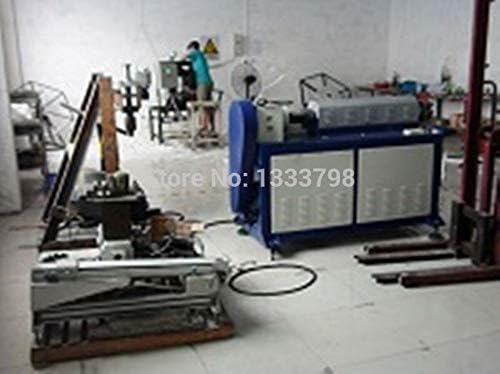
Figure 4: An industrial workshop setting, showing various machinery and equipment, representative of environments where timing belts are utilized.
8. Specifications
Detailed specifications for the Delmitan XL 306 Teeth PU Timing Belt:
| Attribute | Value |
|---|---|
| Brand | Delmitan |
| Model Number | TM-Del-AL1812-TB1-894 |
| ASIN | B08QZVPN4G |
| Type | Timing Belt |
| Material | Polyurethane (PU) with Steel Cord |
| Width | 25.4mm |
| Length (Teeth) | 306 teeth |
| Profile | XL |
| Configuration | Closed Loop |
| Anti-wear ability | High |
| Date First Available | December 18, 2020 |
9. Warranty and Support
For information regarding warranty coverage or technical support for your Delmitan timing belt, please contact the seller or manufacturer directly. Ensure you have your product model number (TM-Del-AL1812-TB1-894) and ASIN (B08QZVPN4G) available when seeking assistance.