
Walfront 30A Solar Charge Controller User Manual
Model: BSC3048
Intelligent Regulator for 12V/24V/36V/48V Battery Systems
1. Introduction
This manual provides essential information for the safe and efficient operation of your Walfront BSC3048 Solar Charge Controller. Please read this manual thoroughly before installation and use to ensure optimal performance and longevity of the product.
1.1 Safety Precautions
- Ensure all connections are correct and secure before applying power.
- Do not attempt to repair or modify the controller yourself. Refer to qualified personnel.
- Install the controller in a well-ventilated, dry environment, away from direct sunlight and moisture.
- Always connect the battery first, then the solar panel, and finally the load. Disconnect in the reverse order.
- Wear appropriate personal protective equipment (PPE) during installation.
2. Product Overview
The Walfront BSC3048 is an intelligent solar charge controller designed for various battery types and voltage systems (12V/24V/36V/48V). It features automatic voltage recognition and customizable parameters for flexible battery management.

Figure 2.1: Front view of the Walfront BSC3048 Solar Charge Controller, showing the LCD display, USB ports, and control buttons.
2.1 Key Features
- Automatic identification of 12V/24V/36V/48V system voltage.
- Compatibility with sealed, gel, flooded, lithium iron, and ternary lithium batteries.
- Customizable charging parameters for other battery types.
- Dual USB 5V/2A output for charging external devices.
- LCD display for real-time monitoring of system status.
- Integrated protection functions against overcharge, over-discharge, short circuit, and reverse polarity.
3. Installation and Setup
Follow these steps carefully to install your solar charge controller. Incorrect wiring can damage the controller, battery, or solar panel.
3.1 Wiring Sequence
- Connect the Battery: Connect the battery to the controller's battery terminals (positive to positive, negative to negative). The controller will automatically detect the battery voltage. Ensure the battery is charged enough for the controller to recognize it.
- Connect the Solar Panel: Connect the solar panel to the controller's solar panel terminals (positive to positive, negative to negative).
- Connect the Load: Connect the DC load to the controller's load terminals (positive to positive, negative to negative).

Figure 3.1: Side view illustrating the connection terminals for battery, solar panel, and load.
Important: Disconnect in the reverse order: first load, then solar panel, then battery.
4. Operation
4.1 LCD Display and Buttons
The controller features an LCD display that shows real-time system information and two buttons for navigation and settings adjustment.

Figure 4.1: Close-up of the LCD display, showing battery voltage (e.g., 14.4V) and charging status icons.
The display typically shows battery voltage, charging current, discharging current, and various status icons (solar charging, load discharging, battery level, etc.).
4.2 Battery Type Settings
The controller supports various battery types. The default setting is for sealed lead-acid batteries. To change the battery type or customize parameters:
- Press and hold the menu button (usually the left button) for 5 seconds to enter the settings menu.
- Use the navigation buttons to scroll through the options.
- Select the desired battery type (e.g., GEL, FLOODED, LI-ION, LiFePO4) or parameter to adjust.
- Confirm your selection or adjustment.
Refer to the detailed parameter table in the full manual for specific voltage settings for each battery type if customization is required.
5. Maintenance
Regular maintenance ensures the longevity and optimal performance of your solar charge controller.
- Cleanliness: Keep the controller clean and free from dust. Use a dry cloth to wipe the surface.
- Connections: Periodically check all wiring connections for tightness and corrosion. Loose connections can cause overheating and damage.
- Ventilation: Ensure the installation area has adequate ventilation to prevent overheating. The controller's fins are designed for heat dissipation.
- Battery Health: Monitor your battery's health and electrolyte levels (for flooded batteries) as per the battery manufacturer's recommendations.
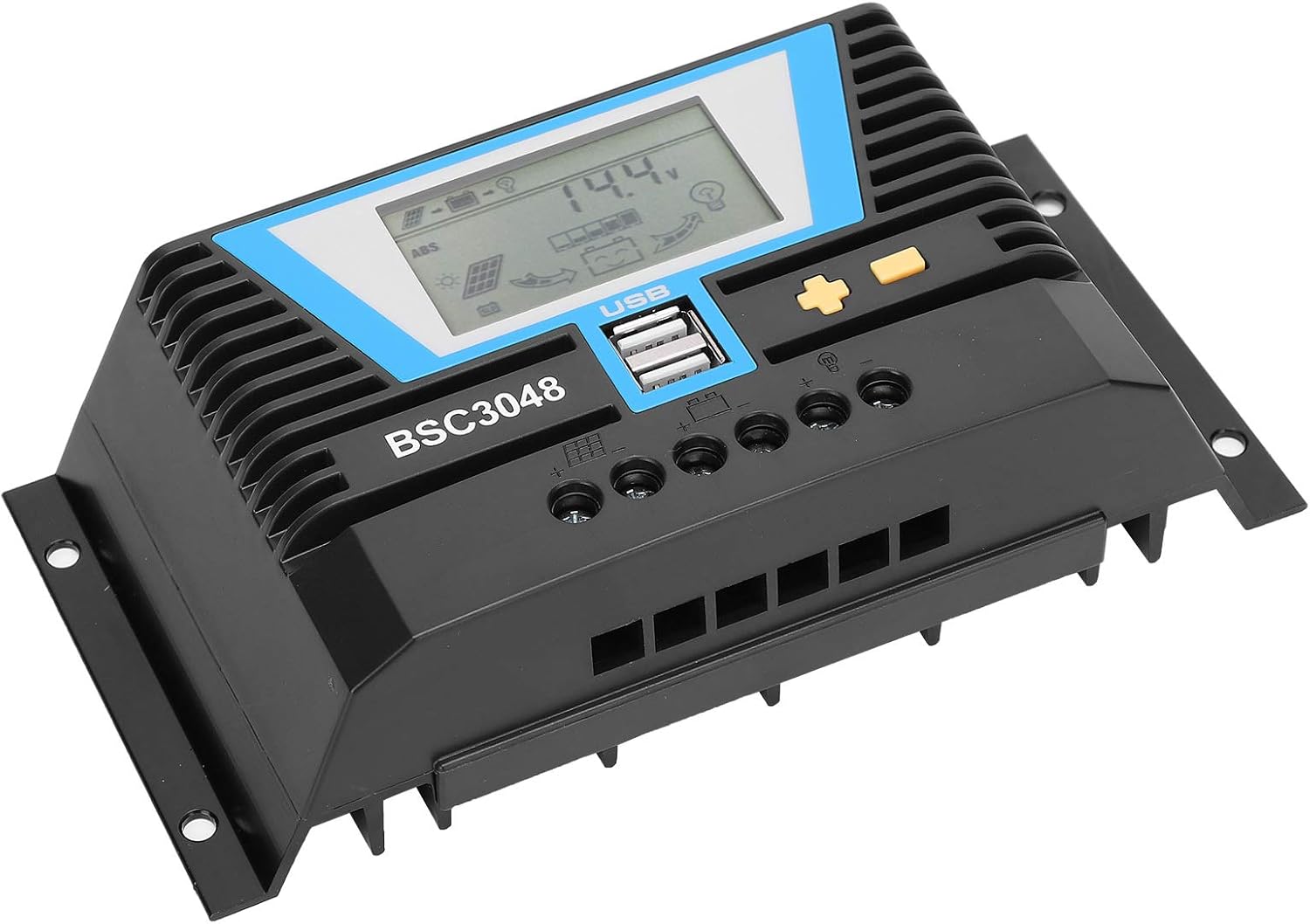
Figure 5.1: Angled view highlighting the heat dissipation fins on the controller's casing.
6. Troubleshooting
If you encounter issues with your solar charge controller, refer to the following common problems and solutions.
| Problem | Possible Cause | Solution |
|---|---|---|
| Controller display is off. | Battery not connected or low voltage. | Check battery connections. Ensure battery voltage is above the minimum operating voltage. |
| Battery not charging. | Solar panel not connected, insufficient sunlight, or faulty panel/wiring. | Check solar panel connections. Ensure adequate sunlight. Test solar panel voltage. |
| Load not working. | Load disconnected, over-discharge protection, or faulty load. | Check load connections. Ensure battery is sufficiently charged. Test the load directly. |
| Error Code E11 (as reported by a user review). | Specific error code, possibly related to internal fault or sensor issue. | While this manual does not list specific error codes, an E11 error may indicate a system fault. Try disconnecting all power (solar, battery, load) for a few minutes, then reconnect in the correct sequence (battery first). If the error persists, contact Walfront customer support. |
7. Specifications
| Parameter | Value |
|---|---|
| Rated Current | 30A |
| Rated Working Voltage | 12V/24V/36V/48V (Auto-sensing) |
| Solar Panel Input Voltage | ≤100V |
| Static Loss | ≤20mA |
| Loop Pressure Drop | ≤0.3V |
| USB Output | 5V/2A x 2 |
| Working Temperature | -20℃ to +55℃ |
| Waterproof Level | IP30 |
| Relative Humidity | ≤95%, no condensation |
| Terminal Wire Size | 6AWG/16mm² |
| Material | Engineering plastic |
| Item Weight | 1.07 pounds (484 Grams) |
8. Warranty and Support
For warranty information and technical support, please refer to the documentation provided with your purchase or contact Walfront customer service directly. This manual does not contain specific warranty terms or contact details.
You may visit the Walfront Store on Amazon for more product information.