
1. Safety Information
Read and understand all safety warnings and instructions before operating this hydraulic workshop crane. Failure to follow these instructions may result in serious injury or property damage.
- Maximum Load Capacity: Do not exceed the maximum load capacity of 500 kg. Refer to the boom extension settings for corresponding load limits.
- Stable Surface: Always operate the crane on a flat, level, and stable surface.
- Personal Protective Equipment: Wear appropriate safety gear, including safety glasses and gloves.
- Clearance: Ensure adequate clearance around the crane and the load during lifting and moving operations. Keep bystanders away from the work area.
- Inspect Before Use: Before each use, inspect the crane for any signs of damage, wear, or loose components. Do not use if damaged.
- Secure Load: Always ensure the load is properly secured and balanced before lifting. Use appropriate lifting chains and attachments.
- Hydraulic System: Do not tamper with the hydraulic system. If maintenance is required, consult a qualified technician.
- Storage: Store the crane in a safe, dry place when not in use. Ensure it is folded and secured to prevent accidental movement.
2. Product Overview
The Wiltec 500 kg Hydraulic Workshop Crane is designed for safe and efficient lifting of heavy loads in workshop environments. Its robust steel construction and hydraulic pump system provide reliable performance.
Key Features:
- High Load Capacity: Lifts loads up to 500 kg, suitable for engine removal and other heavy lifting tasks.
- Hydraulic System: Equipped with an easy-to-operate hydraulic pump for smooth and controlled lifting and lowering.
- Adjustable Boom: Features a 4-level adjustable boom (830-1280 mm) for versatile lifting heights and reach.
- Mobility: Four robust swivel casters ensure easy maneuverability, even with a load.
- Space-Saving Design: Foldable for compact storage and transport, optimizing workshop space.
- Durable Construction: Made from high-quality steel for exceptional robustness and longevity.
Specifications:
| Specification | Value |
|---|---|
| Maximum Load Capacity | 500 kg |
| Maximum Lifting Height | 2230 mm |
| Lifting Arm Length (Adjustable) | 830-1280 mm |
| Item Weight | 45.6 kg |
| Dimensions (L x W x H) | 125 x 78.5 x 140 cm (folded) |
| Material | Steel |
3. Assembly Instructions
Follow these steps to assemble your Wiltec Hydraulic Workshop Crane. It is recommended to have assistance during assembly due to the weight and size of components.
- Unpack Components: Carefully unpack all parts and verify against the parts list (not provided in this manual, refer to product packaging).
- Attach Casters: Securely attach the four swivel casters to the base frame. Ensure all bolts are tightened.
- Assemble Base Legs: Extend the foldable base legs. Insert the safety pins to lock them in the open position.
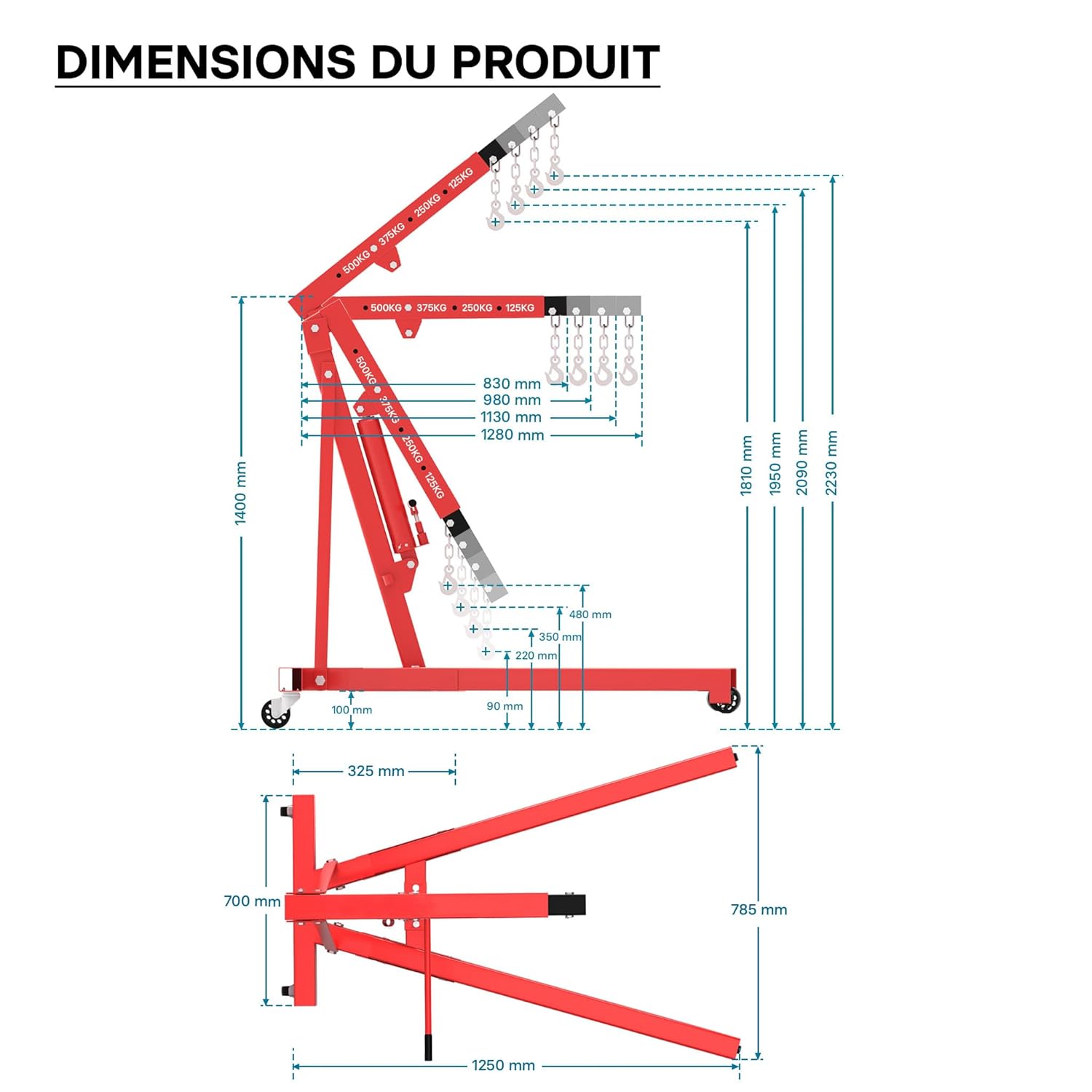
Figure 1: Extending and securing the base legs of the crane.
- Install Vertical Mast: Attach the vertical mast to the base. Ensure it is properly aligned and secured with the provided fasteners.
- Mount Hydraulic Cylinder: Install the hydraulic cylinder to the mast and boom assembly.
- Attach Boom: Connect the adjustable boom to the top of the mast and the hydraulic cylinder.
- Insert Lifting Handle: Insert the lifting handle into the hydraulic pump mechanism.
- Final Check: Before first use, double-check all connections and fasteners to ensure they are tight and secure.
4. Operating Instructions
This section details the proper procedure for operating your hydraulic workshop crane.
4.1. Preparing for Lift:
- Position the Crane: Roll the crane to the desired lifting location. Ensure the area is clear of obstructions.
- Extend Legs: If not already done, extend the base legs and secure them with the safety pins.
- Adjust Boom Length: Select the appropriate boom extension based on the weight of the load. The boom has markings for 500 kg, 375 kg, 250 kg, and 125 kg.

Figure 2: Adjustable boom with load capacity markings.
- Secure Load: Attach the lifting chain and hook securely to the load. If lifting an engine, use an engine leveling bar (load balancer) for better control and balance.

Figure 3: Crane lifting an engine using an engine leveling bar.
4.2. Lifting the Load:
- Close Release Valve: Ensure the hydraulic release valve (usually a knob or screw) is fully closed by turning it clockwise.
- Pump Handle: Insert the lifting handle into the pump socket and pump it up and down to raise the boom and lift the load.
- Monitor Load: Continuously monitor the load for stability and balance during lifting.
4.3. Lowering the Load:
- Open Release Valve: Slowly turn the hydraulic release valve counter-clockwise to gradually lower the boom and the load.
- Controlled Descent: Control the lowering speed by adjusting how much the valve is opened.
- Remove Load: Once the load is safely on the ground or support, detach the lifting chain and hook.
4.4. Video Demonstration:
Video 1: Demonstration on how to use a workshop crane to extract an engine. This video illustrates the setup, lifting, and maneuvering process for engine removal.
5. Maintenance
Regular maintenance ensures the longevity and safe operation of your Wiltec Hydraulic Workshop Crane.
- Cleaning: Keep the crane clean and free from dirt, grease, and debris. Wipe down surfaces with a clean cloth.
- Lubrication: Periodically lubricate all moving parts, including pivot points and casters, with appropriate grease or oil.
- Hydraulic Fluid: Check the hydraulic fluid level regularly. Top up with hydraulic jack oil if necessary. Do not overfill.
- Inspection: Regularly inspect the hydraulic cylinder, hoses, chains, and hooks for any signs of wear, corrosion, or damage. Replace worn or damaged parts immediately.
- Storage: When storing the crane, ensure the boom is fully retracted and the release valve is slightly open to relieve pressure on the hydraulic system. Fold the legs for compact storage.
6. Troubleshooting
This section provides solutions to common issues you might encounter with your workshop crane.
| Problem | Possible Cause | Solution |
|---|---|---|
| Crane does not lift | Release valve open; Low hydraulic fluid; Air in hydraulic system; Overload. | Close release valve; Check and refill hydraulic fluid; Bleed air from system (refer to specific hydraulic pump instructions); Reduce load. |
| Crane lowers slowly or uncontrollably | Release valve not fully closed; Internal hydraulic leak; Worn seals. | Ensure release valve is fully closed; Consult qualified technician for internal leaks or seal replacement. |
| Casters do not roll smoothly | Dirt/debris in casters; Lack of lubrication; Damaged casters. | Clean casters; Lubricate casters; Replace damaged casters. |
7. Warranty and Support
This product is covered by standard legal guarantees. For specific warranty details, returns, or technical support, please contact Wiltec Wildanger Technik GmbH directly or refer to your purchase documentation.
Seller: Wiltec Wildanger Technik GmbH
Returns: 30-day return policy
Support: Specialized Customer Support
For further assistance, visit the WilTec Store on Amazon.


