
1. Important Safety Instructions
Read all instructions before using this appliance to reduce the risk of fire, electric shock, or injury. Keep this manual for future reference.
- Ensure the power supply voltage matches the rating label on the appliance.
- Do not operate the appliance with a damaged cord or plug.
- Do not place flammable, explosive, or corrosive materials inside the fridge.
- Keep ventilation openings clear of obstruction.
- Do not use mechanical devices or other means to accelerate the defrosting process, other than those recommended by the manufacturer.
- This appliance is not intended for use by persons (including children) with reduced physical, sensory or mental capabilities, or lack of experience and knowledge, unless they have been given supervision or instruction concerning use of the appliance by a person responsible for their safety.
- Children should be supervised to ensure that they do not play with the appliance.
- Unplug the appliance before cleaning or performing maintenance.
- If the supply cord is damaged, it must be replaced by the manufacturer, its service agent, or similarly qualified persons to avoid a hazard.
2. Product Overview
The PowerPac PPBF555 is a compact 50L mini bar fridge designed for efficient cooling and convenient storage. It features an energy-saving compressor and advanced insulation technology for optimal performance.
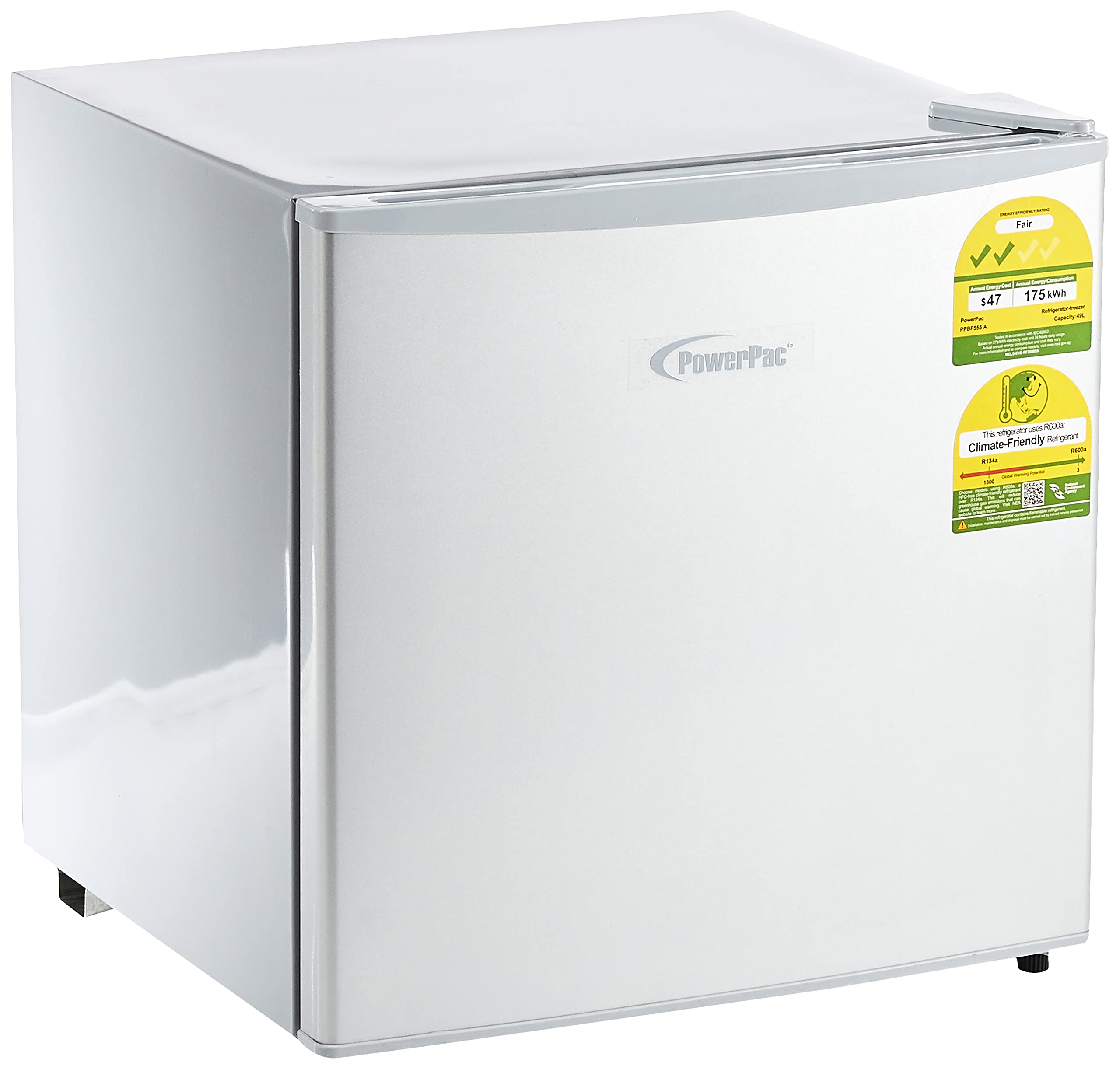
Figure 2.1: Front view of the PowerPac PPBF555 Mini Bar Fridge, highlighting its compact design and energy efficiency label.
Key Features:
- Energy-saving compressor for reduced power consumption.
- Super micro-hole foaming layer for excellent insulation.
- Optimal door seal design to maintain internal temperature.
- Anti-bacterial interior for hygienic storage.
- Low noise operation and fast cooling capability.
- Compact and portable form factor.

Figure 2.2: Interior view of the mini bar fridge, showing the internal layout and storage shelves.
3. Setup and Installation
Proper installation ensures optimal performance and longevity of your mini bar fridge.
3.1 Unpacking
- Carefully remove all packaging materials, including foam and adhesive tape.
- Inspect the fridge for any damage incurred during transit. Report any damage to your retailer immediately.
- Remove any internal packing materials and accessories.
3.2 Placement
- Place the fridge on a firm, level surface that can support its weight when fully loaded.
- Ensure there is adequate ventilation around the appliance. Allow at least 10 cm of space at the back and sides, and 20 cm at the top for proper air circulation.
- Avoid placing the fridge in direct sunlight or near heat sources such as stoves, heaters, or radiators, as this will increase energy consumption.
- Do not install the appliance in damp or wet locations.
3.3 Leveling
It is important for the fridge to be level for proper operation and door sealing.
- Adjust the leveling feet at the bottom of the fridge by turning them clockwise or counter-clockwise until the appliance is stable and level.
3.4 Power Connection
- Before plugging in, allow the fridge to stand upright for at least 2-4 hours. This allows the refrigerant to settle.
- Plug the appliance into a dedicated, properly grounded electrical outlet. Do not use extension cords or adapter plugs.
- Ensure the power cord is not pinched or damaged.

Figure 3.1: Rear view of the mini bar fridge, showing the compressor area, power cord, and product information label.
4. Operating Instructions
This section guides you on how to use your PowerPac PPBF555 Mini Bar Fridge effectively.
4.1 Temperature Control
The temperature inside the fridge is controlled by a thermostat knob, usually located inside the appliance.
- Turn the thermostat knob to adjust the cooling intensity. Higher numbers typically indicate colder temperatures.
- Start with a medium setting (e.g., '3' or '4') and adjust as needed based on ambient temperature and desired cooling.
- Allow several hours for the temperature to stabilize after making an adjustment.
4.2 Food Storage
- Do not overload the fridge. Allow space for air to circulate around items for efficient cooling.
- Store food in sealed containers to prevent odors and maintain freshness.
- Avoid placing hot food directly into the fridge; allow it to cool down first.
- The small freezer compartment is suitable for short-term storage of frozen items or making ice.
5. Maintenance and Cleaning
Regular maintenance and cleaning will help keep your fridge in optimal condition.
5.1 Defrosting
This model features an automatic defrosting system for the main compartment. However, the small freezer compartment may require manual defrosting if ice builds up.
- When the frost layer in the freezer compartment reaches about 3-5 mm thick, it's time to defrost.
- Unplug the fridge from the power outlet.
- Remove all food items from the freezer and main compartment.
- Leave the door open to allow the frost to melt naturally. Place a towel or shallow tray at the bottom to collect water.
- Do not use sharp objects or heating devices to remove ice, as this can damage the cooling system.
- Once defrosted, wipe the interior dry before plugging the fridge back in and returning food.
5.2 Cleaning the Interior
- Always unplug the fridge before cleaning.
- Wash the interior surfaces, shelves, and door seals with a mild detergent and warm water.
- Rinse thoroughly and dry with a soft cloth.
- Do not use abrasive cleaners, scouring pads, or harsh chemicals, as they can damage surfaces.
5.3 Cleaning the Exterior
- Wipe the exterior with a soft cloth dampened with mild detergent and water.
- Keep the back condenser coils clean to ensure efficient operation. Use a soft brush or vacuum cleaner to remove dust.
6. Troubleshooting
Before contacting customer service, try these simple solutions for common issues.
| Problem | Possible Cause | Solution |
|---|---|---|
| Fridge does not operate | No power supply; Plug not inserted properly; Circuit breaker tripped. | Check power cord connection; Check household fuse/circuit breaker; Try another outlet. |
| Fridge is not cold enough | Temperature setting too high; Door opened too frequently; Warm food placed inside; Poor ventilation. | Adjust thermostat to a colder setting; Minimize door openings; Allow hot food to cool before storing; Ensure adequate clearance around the fridge. |
| Excessive noise | Fridge not level; Objects touching the back of the fridge; Compressor noise (normal). | Adjust leveling feet; Move fridge away from walls/cabinets; Compressor noise is normal during operation. |
| Water leaking inside/outside | Drain hole blocked; Door seal not tight; Excessive humidity. | Clear the drain hole; Check and clean door seal; Ensure proper ventilation and avoid opening door excessively in humid conditions. |
| Door does not close properly | Fridge not level; Door gasket dirty or damaged; Obstruction inside. | Adjust leveling feet; Clean or replace door gasket; Rearrange items inside. |
7. Specifications
Technical details for the PowerPac PPBF555 Mini Bar Fridge.
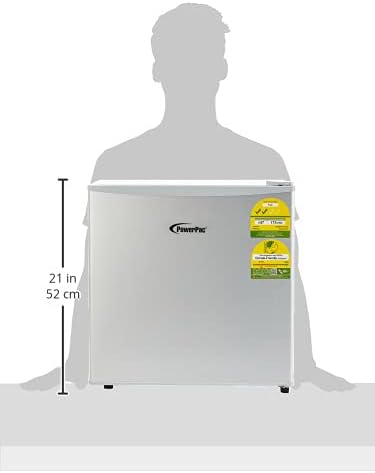
Figure 7.1: Product dimensions of the PowerPac PPBF555 Mini Bar Fridge.
| Feature | Detail |
|---|---|
| Brand | PowerPac |
| Model | PPBF555 |
| Capacity | 50 Liters |
| Product Dimensions (D x W x H) | 17.7 x 18.5 x 20.1 cm |
| Wattage | 70 watts |
| Installation Type | Freestanding |
| Number of Doors | 1 |
| Defrosting System | Automatic (main compartment) |
| Finish Type | Matte |
| Special Features | Portable |
| Refrigerant | R134A |
| Item Weight | 15.58 kg |
8. Warranty and Support
For warranty information and customer support, please refer to the warranty card included with your purchase or contact PowerPac customer service directly.
- Keep your proof of purchase for warranty claims.
- Do not attempt to repair the appliance yourself. Unauthorized repairs may void the warranty.
