
1. Introduction
This manual provides comprehensive instructions for the HENGCOOL 42753-STK-A04 Tire Pressure Monitoring System (TPMS) Sensor. Proper installation and maintenance are crucial for optimal performance and vehicle safety. This sensor operates at a frequency of 315MHz.

Image 1.1: Set of four HENGCOOL 42753-STK-A04 TPMS sensors.
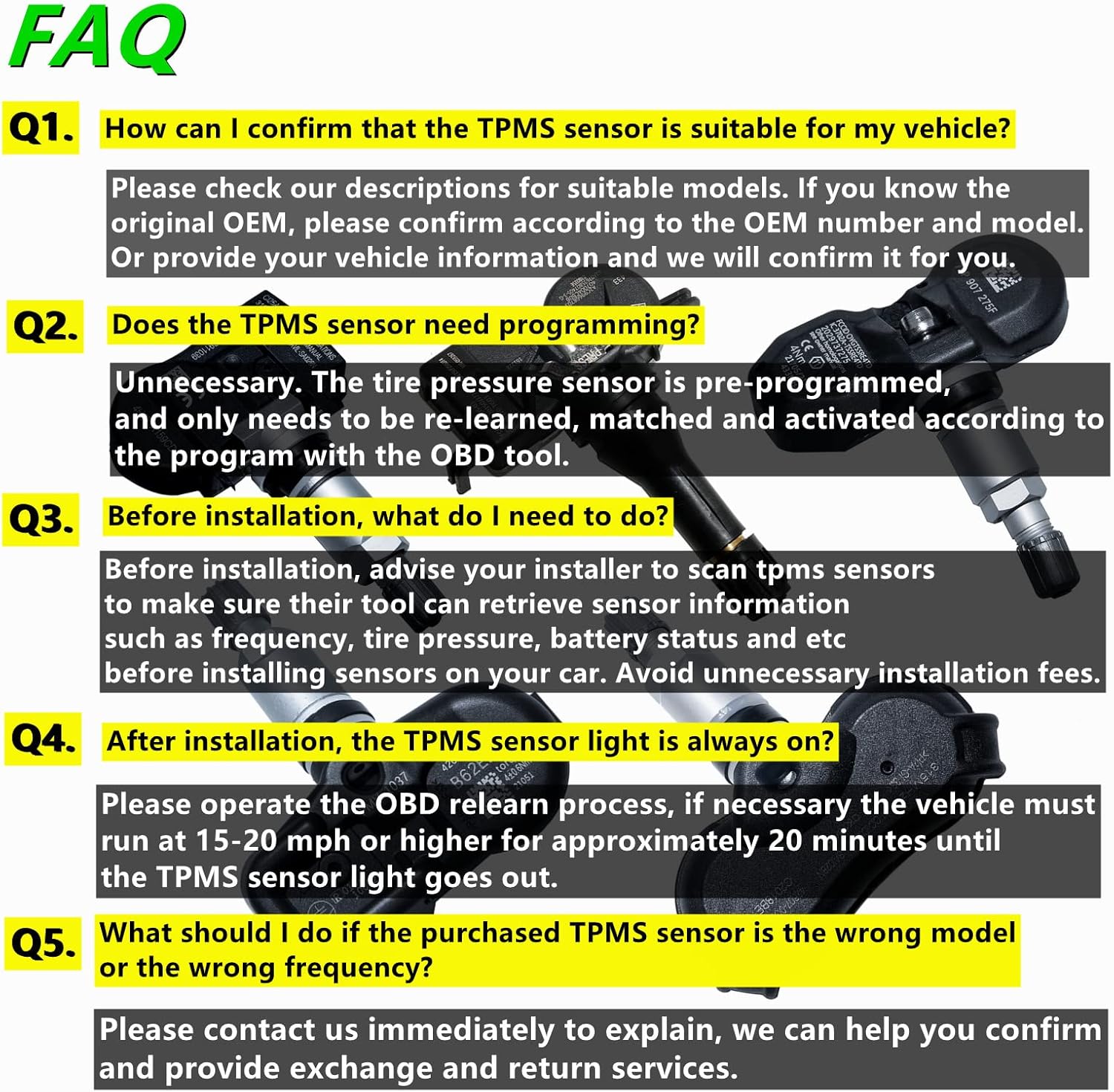
Image 1.2: Importance of monitoring tire pressure for safety, fuel efficiency, and tire longevity.
2. Compatibility
The HENGCOOL 42753-STK-A04 TPMS sensor is designed for specific Honda and Acura models. Please verify your vehicle's compatibility before installation.
2.1. OEM Part Numbers
- 42753-STK-A02
- 42753-STK-A03
- 42753STKA03
- PMV-107G
- 42753-STK-A04
- 42753STKA04
- 42753TL2A52
2.2. Compatible Vehicle Models
- For Acura:
- MDX 2007-2013
- TSX 2007-2014
- RDX 2007-2012
- For Honda:
- Pilot 2009-2015 (alloy wheels)

Image 2.1: Visual list of compatible Acura and Honda vehicle models.
Video 2.1: Product overview of the TAUTOY 42753-STK-A04 TPMS sensor, highlighting its features and compatibility with specific vehicle models.
Video 2.2: CARORAV TPMS Sensor for Acura and Honda, showcasing the product and its application.
Video 2.3: CDWTPS TPMS Sensor for Honda, demonstrating its fit and features.
3. Setup and Installation
Installation of TPMS sensors should ideally be performed by a qualified professional. If you choose to install them yourself, follow these steps carefully. It is recommended to use a TPMS tool to read sensor data before installation. If the tool cannot read the sensors, do not install them.
Video 3.1: Unboxing of a pre-programmed TPMS sensor, showing the contents of the package.
Video 3.2: Detailed guide on how to install and relearn a TPMS sensor.
3.1. Installation Steps
- Remove the Tire: Safely remove the tire from the vehicle and place it on a tire changer.
- Deflate and Disassemble: Remove the valve cap and fully deflate the tire. Use a machine clamp to loosen the tire bead from the rim. Avoid pressing directly on the valve stem.
- Remove the Old TPMS: After peeling off the tire, use a tire valve tool to carefully unscrew and remove the old sensor.
- Install the New TPMS: Take the new HENGCOOL TPMS sensor and insert it into the valve stem hole. Use a torque wrench to tighten it to 4 Newton meters (Nm) to ensure it is properly fastened. The flat side of the sensor should face the rim.
- Pump Up the Tire: Reinstall the tire onto the rim and inflate it to the manufacturer's recommended pressure. This is essential for the TPMS to function correctly.
- Perform Tire Balancing: After inflation, perform tire balancing to ensure smooth operation.
- Reinstall the Tire: Reinstall the tire back onto the vehicle, ensuring all lug nuts are tightened to the manufacturer's specifications.
4. Operating and Relearn Procedures
After installing new TPMS sensors, your vehicle's system needs to 'relearn' the new sensor IDs. There are typically three methods for this, depending on your vehicle's capabilities. Refer to your vehicle's user manual for the specific relearn method it supports.
4.1. Method 1: Auto Relearn Procedure
This method is suitable for vehicles that support automatic relearn.
- Place the smart key at a distance of more than 5 meters (16.5 feet) from the vehicle and park it for 30 minutes.
- Start the vehicle and drive continuously for over 10 minutes at a stable speed of 25 km/h (15.53 mph) or higher.
- Check the dashboard. If the tire pressure warning light is off, the relearn process is complete.
Note: If your vehicle cannot support Auto Relearn Procedure, please seek assistance from a professional mechanic to perform OBD II or Stationary Relearn Procedure.
4.2. Method 2: OBDII Relearn Procedure (Relevant Tools Required)
This method requires an OBD tire pressure diagnostic tool.
- Prepare an OBD tire pressure diagnostic tool.
- Start the vehicle and connect the OBD diagnostic tool with the vehicle's OBD port.
- Operate the diagnostic tool to enter the tire pressure sensor relearn procedure.
- Follow the instructions indicated by the diagnostic tool to perform the OBD relearn procedure and obtain a successful learning result.
- Start the vehicle and drive continuously for over 10 minutes at a stable speed of 25 km/h (15.53 mph) or higher. Ensure the tire pressure warning light is off and the relearn process is complete.
Note: OBDII method is often the most stable way to recognize new TPMS sensors.
4.3. Method 3: Stationary Relearn Procedure
A stationary (sometimes called manual) relearn procedure allows new TPMS sensor IDs to be transferred to the vehicle's ECU without driving a vehicle.
- This type of relearn procedure requires a TPMS activation tool to trigger the sensors when the vehicle is in learn mode, either by using a TPMS diagnostic tool or a diagnostic scan tool.
- The vehicle then uses an RF signal to communicate with the vehicle's ECU to establish which sensor is in which specific location.
Note: This method usually requires specific tools and techniques. Since the procedure may vary for each vehicle, it is recommended to refer to the vehicle's manual or to have the replacement done at a tire repair store or a professional auto repair store.
5. Maintenance and Durability
The HENGCOOL TPMS sensors are designed for durability and reliable performance under various conditions.
- Robust Construction: The sensor shell features high hardness, making it resistant to deformation, shock, and corrosion.
- Environmental Resistance: Designed to be waterproof and dust-proof, ensuring consistent performance in diverse driving environments.
- Anti-Vibration: Engineered to withstand vibrations, contributing to stable operation and longevity.

Image 5.1: Key durability features of the HENGCOOL TPMS sensor.
6. Troubleshooting
Here are common questions and troubleshooting tips for your TPMS sensors:
- Q: How can I confirm that the TPMS sensor is suitable for my vehicle?
A: Please check the compatibility descriptions for suitable models, including OEM numbers. - Q: Does the TPMS sensor need programming?
A: The tire pressure sensor comes pre-programmed. It only needs to be relearned, matched, and activated according to the program with an OBD tool. - Q: What should I do before installation?
A: Advise your installer to scan the TPMS sensors to ensure their tool can retrieve sensor information such as frequency, tire pressure, and battery status. If the TPMS tool cannot read the sensors, do not install them. - Q: After installation, the TPMS sensor light is always on. What should I do?
A: Please operate the OBD relearn process. If necessary, the vehicle must be driven at 15-20 mph or higher for approximately 20 minutes until the TPMS warning light goes out. - Q: What should I do if the purchased TPMS sensor is the wrong model or the wrong frequency?
A: Please contact us immediately to explain the issue. We can help you confirm and provide exchange and return services.

Image 6.1: Frequently Asked Questions regarding TPMS sensor functionality and troubleshooting.
6.1. Important Relearn Notice
After installing TPMS, the OBDII method is the most stable way to relearn the TPMS.
- Must use diagnostic tool with TPMS OBDII function.
- Turn ignition ON.
- Connect the OBDII Cable/Module to the OBD connector.
- Follow the diagnostic screen's learning instruction until OBDII learning is successful.
- Drive for 20 minutes if the TPMS warning lamp remains ON.
Note: Please use a TPMS tool (such as OBD) to detect and ensure the TPMS signal before installing TPMS. If the TPMS tool cannot read the TPMS, please do not install it and contact us immediately.
7. Specifications
| Brand | HENGCOOL |
| Model Number | 42753-STK-A04 |
| OEM Part Number | 42753-STK-A04 |
| Frequency | 315MHz |
| Material | Metal |
| Mounting Type | Flange Mount |
| Item Dimensions (L x W x H) | 2.5 x 1.5 x 1 inches |
| Item Weight | 6.4 ounces |
| Batteries | 1 Lithium Ion battery required (included) |
| Sensing Distance | 10 Meters |
8. Warranty and Support
HENGCOOL is committed to product quality and customer satisfaction. If you encounter any questions or issues with your TPMS sensors, please contact us for assistance or a replacement. Your confidence in our product is important to us.