
NEWTRY NEWTRY 500KG Electric Hoist
NEWTRY 3-in-1 Electric Hoist User Manual
Model: NEWTRY 500KG Electric Hoist
1. Introduction
This user manual provides essential information for the safe and efficient operation, maintenance, and troubleshooting of your NEWTRY 3-in-1 Electric Hoist. Please read this manual thoroughly before operating the hoist to ensure proper usage and to prevent injury or damage.
The NEWTRY Electric Hoist is a versatile lifting device designed for various applications, offering three distinct control methods: manual, wired remote, and wireless remote. It features a robust 1500W motor, a 7.6-meter steel wire rope, and a 500KG (1100lb) lifting capacity, making it suitable for handling regular or irregularly shaped objects in garages, workshops, and construction sites.

Figure 1.1: Overview of the NEWTRY 3-in-1 Electric Hoist with its control options.
2. Safety Instructions
Always prioritize safety when operating the electric hoist. Failure to follow these instructions may result in serious injury or property damage.
- Read the Manual: Before any operation, thoroughly read and understand all instructions and warnings in this manual.
- Load Capacity: Never exceed the maximum rated load capacity of 500KG (1100lb). Overloading can cause equipment failure and severe injury.
- Stable Mounting: Ensure the hoist is securely mounted to a stable structure capable of supporting the hoist's weight plus the maximum load.
- Inspect Before Use: Before each use, inspect the hoist, steel wire rope, hooks, and control cables for any signs of wear, damage, or deformation. Do not use if any damage is found.
- Clear Area: Keep the lifting area clear of personnel and obstructions. Ensure no one is directly under the hoisted load.
- Overload Protection: The hoist is equipped with overload protection. If the motor stops, it indicates an overload. Immediately reduce the load.
- Limit Switch: The hoist has an automatic limit switch that stops operation when the rope reaches its end position. Do not attempt to override this safety feature.
- Rope Management: Ensure the steel wire rope is wound cleanly and tightly on the drum. Avoid kinks or tangles. Regularly check the rope for fraying or damage.
- Power Source: Connect the hoist to a grounded power outlet with the correct voltage (230V).
- Environmental Conditions: Do not operate the hoist in hazardous environments, such as those with explosive atmospheres or excessive moisture.
- Unauthorized Modifications: Do not modify the hoist or its components. Use only original replacement parts.
3. Product Features
The NEWTRY Electric Hoist is designed with several key features to enhance its functionality and safety:
- 3-in-1 Control Methods:
- Manual Control: Buttons located on the machine handle for direct operation.
- Wired Remote Control: A 6.8-meter (22.3 ft) cable remote for operation from a short distance.
- Wireless Remote Control: A flexible wireless remote with a range of up to 60 meters (197 ft) for convenient operation from a distance.

Figure 3.1: The three available control methods for the hoist.
- End Switch: Automatically cuts power when the rope reaches its limit position, protecting the hoist mechanism.
- Overload Protection: Integrated circuitry automatically stops the motor if the load exceeds the safe limit, preventing damage to the motor and hoist.
- 1500W Universal Motor: Provides high starting torque, stable operation, and minimal vibration. Designed for reliable performance.

Figure 3.2: Illustration of the powerful 1500W motor.
- Durable Hooks: Upper and lower hooks can rotate 360 degrees to release torsional force, ensuring stability. Equipped with safety buckles to prevent accidental detachment. Made from special forged steel for durability.
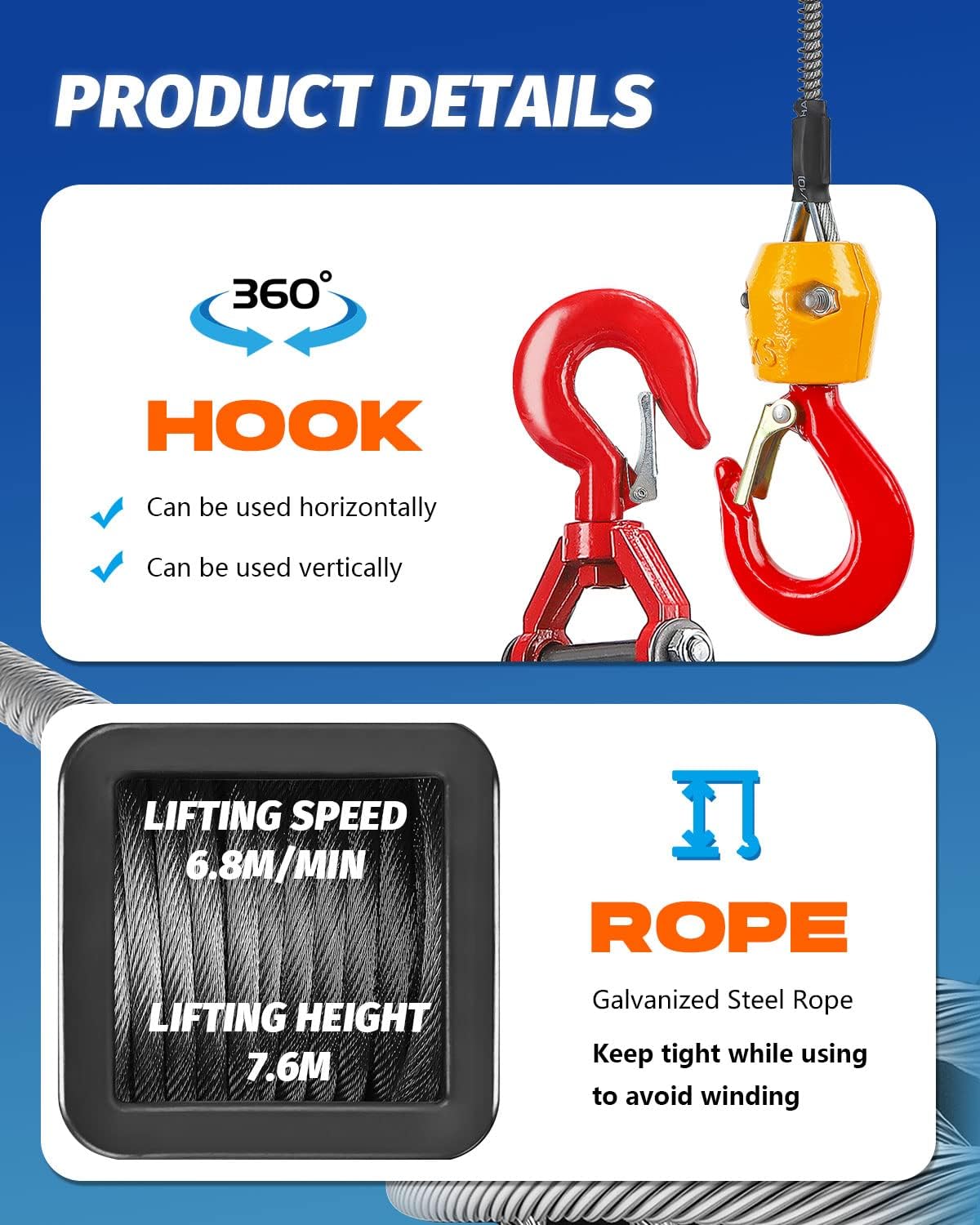
Figure 3.3: Detail of the 360-degree rotating hook and steel rope.
- High-Quality Steel Wire Rope: Features a steel core, 6mm diameter, and 7.6m (25ft) length. Designed for strength and longevity. Regular inspection is crucial for safety.
- Compact Design: Portable and relatively lightweight (approx. 12 kg), making it easy to transport and install.

Figure 3.4: The compact size of the hoist.
4. Setup and Installation
Proper installation is critical for the safe and effective operation of your electric hoist.
- Choose a Mounting Location: Select a sturdy and stable overhead structure (e.g., a robust beam, ceiling joist, or gantry) that can safely support the hoist's weight plus the maximum intended load. Ensure the mounting point is level and free from obstructions.
- Secure Mounting: Attach the hoist securely to the chosen mounting point using appropriate hardware (not included, typically). Ensure all bolts, clamps, or straps are tightened according to manufacturer specifications for the mounting hardware.

Figure 4.1: Example of hoist installation on a wooden beam.
- Power Connection: Connect the hoist's power cord to a grounded 230V electrical outlet. Ensure the power supply is stable and meets the hoist's requirements.
- Control Connection:
- For wired remote control, plug the cable into the designated port on the side of the hoist.
- For wireless remote control, ensure the remote has working batteries and is paired with the hoist (refer to remote-specific instructions if pairing is required).
- Initial Test: Before lifting any load, perform a test run with no load. Operate the hoist up and down using all control methods to ensure smooth operation and proper function of the limit switch.
5. Operating Instructions
Follow these steps for safe and effective operation of your NEWTRY Electric Hoist.
5.1. Preparing for Operation
- Ensure the hoist is securely mounted and the power is connected.
- Verify the load does not exceed the 500KG capacity.
- Attach the load securely to the hook. Ensure the safety buckle on the hook is closed.
- Clear the area around and beneath the load.
5.2. Control Methods
The hoist can be operated using one of three methods:
- Manual Control:
Press the "Up" or "Down" buttons located directly on the hoist's handle. This method is ideal when you are in close proximity to the hoist and the load.
- Wired Remote Control:
Use the wired remote control for operation from a short distance (up to 6.8 meters). Press the corresponding "Up" or "Down" button on the remote to control the hoist. This provides a safer distance from the load.
- Wireless Remote Control:
For maximum flexibility, use the wireless remote control. It allows operation from up to 60 meters away. Press the "Up" or "Down" buttons on the wireless remote. Ensure the remote has fresh batteries and a clear line of sight to the hoist for optimal signal.
5.3. Lifting and Lowering
- Slowly initiate lifting or lowering to avoid sudden movements.
- Monitor the load and the hoist during operation. If any unusual sounds or movements occur, stop immediately.
- Do not swing the load. Keep the load as stable as possible during movement.
- The hoist operates at a lifting speed of approximately 4.8 meters per minute.
- The maximum lifting height is 7.6 meters. The limit switch will prevent the hook from going too high.
- When lowering, ensure the landing area is clear and stable.

Figure 5.1: The hoist in action, demonstrating its lifting capability.
6. Maintenance
Regular maintenance ensures the longevity and safe operation of your NEWTRY Electric Hoist.
- Daily Inspection: Before each use, visually inspect the entire hoist, including the housing, power cord, control cables, hooks, and especially the steel wire rope. Look for cuts, fraying, kinks, corrosion, or any signs of damage.
- Rope Condition: The steel wire rope is a critical component. If any significant wear, deformation, or broken strands are observed, the rope must be replaced immediately by a qualified technician. Ensure the rope is always wound neatly on the drum.
- Hook Inspection: Check the hooks for deformation, cracks, or excessive wear. Ensure the safety latches operate freely and close properly.
- Cleaning: Keep the hoist clean and free from dust, dirt, and debris. Use a dry cloth to wipe down the exterior. Do not use harsh chemicals or immerse the unit in water.
- Lubrication: Consult a qualified technician for any internal lubrication requirements. Do not attempt to lubricate internal components yourself unless specifically instructed.
- Storage: When not in use, store the hoist in a dry, clean, and secure location, away from direct sunlight and extreme temperatures.
7. Troubleshooting
This section addresses common issues you might encounter with your electric hoist. For problems not listed here, or if solutions do not resolve the issue, contact customer support.
| Problem | Possible Cause | Solution |
|---|---|---|
| Hoist does not operate (no power). | No power supply; power cord damaged; circuit breaker tripped. | Check power outlet and connections. Inspect power cord for damage. Reset circuit breaker. |
| Hoist stops during operation. | Overload protection activated; limit switch engaged; motor overheating. | Reduce load. Check if hook reached limit. Allow motor to cool down. |
| Wireless remote control not responding or signal drops. | Low remote battery; signal interference; remote out of range. | Replace remote batteries. Reduce distance to hoist. Minimize interference from other wireless devices. |
| Rope not winding cleanly or getting tangled. | Improper load distribution; damaged rope; winding mechanism issue. | Ensure load is centered. Inspect rope for damage. Contact support if winding mechanism is faulty. |
| Unusual noise during operation. | Normal operating noise; internal component wear; lack of lubrication. | Some noise is normal. If excessive or new, stop operation and inspect. Contact a qualified technician for internal inspection. |
8. Specifications
Key technical specifications for the NEWTRY 3-in-1 Electric Hoist (500KG model):
| Parameter | Value |
|---|---|
| Model | NEWTRY 500KG Electric Hoist |
| Load Capacity | 500 KG (1100 lb) |
| Motor Power | 1500 W |
| Voltage | 230 V |
| Steel Wire Rope Length | 7.6 m (25 ft) |
| Steel Wire Rope Diameter | 6 mm |
| Lifting Speed | 4.8 m/min |
| Item Weight | 12 Kilograms |
| Dimensions (Packaging) | 34.79 x 28 x 27.5 cm |
9. Warranty and Support
For warranty information, technical support, or service inquiries, please contact NEWTRY customer service. Keep your purchase receipt and product model number handy when contacting support.
You can typically find contact information on the product packaging or the official NEWTRY website. For general inquiries, you may also refer to the seller's information on the platform where the product was purchased.
Manufacturer: NEWTRY
Model Number: NEWTRY (as per manufacturer reference)
ASIN: B082PRZJJ2
Ask a question about this manual
Ask about setup, troubleshooting, compatibility, parts, safety, or missing instructions. Manuals+ will review the question and use this page’s manual context to help answer it.