
1. Introduction
The QGeeM M9VC01 9-in-1 USB-C Docking Station is designed to expand the connectivity of your USB-C enabled devices, such as laptops, tablets, and smartphones. This versatile hub provides multiple ports for video output, data transfer, and power delivery, enhancing your productivity and multimedia experience.

Image 1.1: The QGeeM 9-in-1 USB-C Docking Station connected to various peripherals, illustrating its multi-functionality.
2. Product Features
The QGeeM M9VC01 docking station integrates nine essential ports into a single compact device:
- Dual 4K HDMI Ports: Connect to two external displays for high-resolution video output (up to 4K@30Hz).
- VGA Port: Connect to an external display for video output (up to 1080p@60Hz).
- 2x USB 3.0 Ports: High-speed data transfer up to 5Gbps for peripherals like keyboards, mice, and external drives.
- SD Card Slot: Access files from standard SD memory cards.
- MicroSD Card Slot: Access files from MicroSD memory cards.
- 3.5mm Audio Jack: Connect headphones or speakers for audio output.
- USB-C Power Delivery (PD) Port: Supports up to 87W charging for your host device while using the hub.

Image 2.1: Detailed diagram illustrating each of the 9 ports and their specifications on the QGeeM docking station.
3. Specifications
| Feature | Specification |
|---|---|
| Model | M9VC01 |
| Interfaces | 2x USB 3.0, 2x 4K HDMI, 1x SD Card, 1x MicroSD Card, 1x 3.5mm Audio Jack, 1x VGA, 1x Type C PD Charging |
| Data Transfer Speed | Up to 5Gbps (USB 3.0), Up to 104MB/s (Card Readers) |
| HDMI Resolution | Up to 4K@30Hz |
| VGA Resolution | Up to 1080p@60Hz |
| PD Charging | Up to 87W |
| Dimensions | 115 x 46 x 15mm |
| Weight | 88g |
| Material | Aluminum |
| Hardware Platform | Laptop, PC |
| Compatible Devices | Card Readers, Desktops, Keyboards, Laptops, Monitors, Mouse, Projectors, Smartphones, Tablets |
4. Setup Instructions
Follow these steps to set up your QGeeM M9VC01 docking station:
- Connect to Host Device: Plug the USB-C connector of the docking station into a compatible USB-C port on your laptop, tablet, or smartphone. Ensure your device's USB-C port supports DisplayPort (DP) Alt Mode for video output.
- Power Delivery (Optional): If your host device requires charging, connect your USB-C power adapter to the USB-C PD port on the docking station.
- Connect Displays:
- For HDMI displays, connect HDMI cables from your monitors to the HDMI ports on the docking station.
- For VGA displays, connect a VGA cable from your monitor to the VGA port on the docking station.
Note: HDMI operation may require a driver installation on some systems. Please refer to your operating system's display settings for configuration.
- Connect Peripherals: Plug your USB devices (e.g., keyboard, mouse, external hard drive) into the USB 3.0 ports. Insert SD or MicroSD cards into their respective slots. Connect headphones or speakers to the 3.5mm audio jack.
- Configure Display Settings: Once connected, your operating system should detect the external displays. You may need to adjust display settings (e.g., extend, mirror, resolution) in your system preferences.
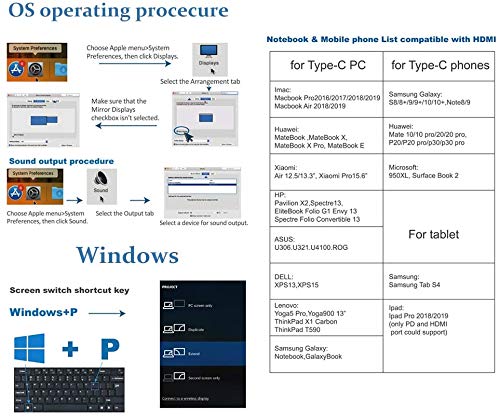
Image 4.1: Visual guide for configuring display settings on Mac OS and Windows, including a compatibility list for devices.
5. Operating Instructions
5.1. Video Output (Triple Display)
The docking station supports connecting up to three external displays simultaneously (two HDMI, one VGA).
- Windows Systems: Supports triple display in 'Extend' or 'Mirror' mode. You can extend your desktop across all three external monitors and your laptop screen. The resolution for triple display via VGA is up to 1920x1080.
- Mac OS Systems: Supports dual display. Mac OS typically mirrors one external screen to the other instead of extending to two separate screens. You can extend your desktop to one external monitor, and the other external monitors will mirror that extended display.

Image 5.1: Illustration of triple display capabilities, highlighting the differences in extension modes between Windows and Mac OS.

Image 5.2: Visual representation of how display modes (Mirror and Extend) function on both Windows and Mac operating systems.
5.2. Power Delivery
The USB-C PD port allows you to charge your host device while using the docking station. Connect your original USB-C power adapter to this port. The hub supports up to 87W power delivery.

Image 5.3: The USB-C PD port in use, demonstrating simultaneous charging of a laptop and a smartphone through the hub.
5.3. Data Transfer
Use the USB 3.0 ports for connecting external storage devices, keyboards, mice, or other USB peripherals. The SD and MicroSD card slots allow for convenient access to memory card data.
Note: Data transfer from SD and MicroSD cards cannot occur simultaneously. Only one card can be actively read or written to at a time.

Image 5.4: An SD card and a MicroSD card inserted into their respective slots on the docking station.
5.4. Audio Output
Connect your headphones or speakers to the 3.5mm audio jack for audio playback from your host device.
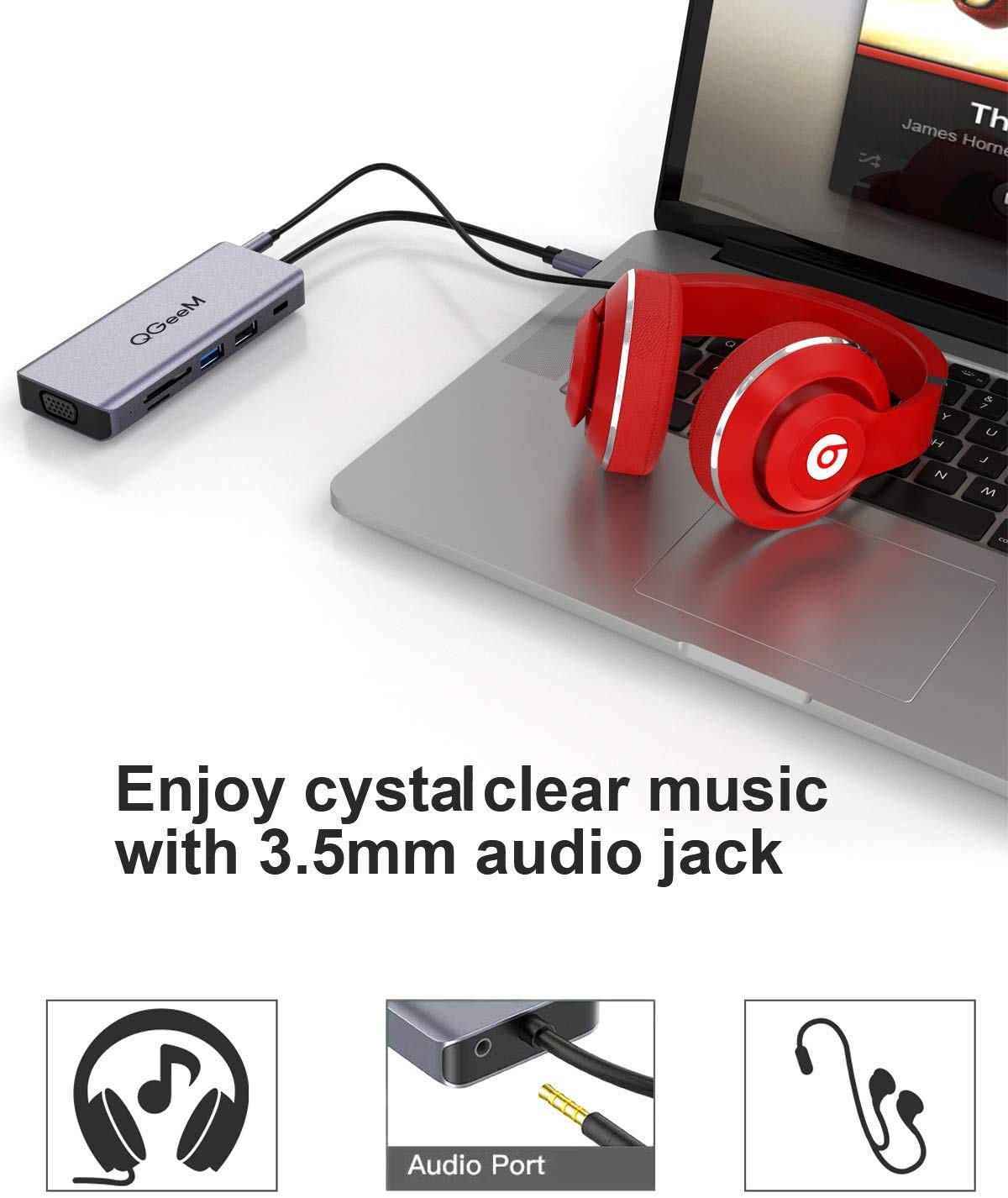
Image 5.5: Headphones connected to the 3.5mm audio jack on the docking station, indicating audio output functionality.
6. Compatibility
The QGeeM M9VC01 docking station is compatible with a wide range of USB Type-C 3.1 enabled devices. Your laptop must have DisplayPort (DP) Alt Mode functionality for video output to work correctly.
6.1. Compatible USB Type-C PCs/Tablets (Partial List)
- Apple: MacBook Pro 2016/2017/2018/2019, MacBook Air 2018/2019, iPad Pro 2018/2019 (PD and HDMI port support only)
- Huawei: MateBook, MateBook X, MateBook X Pro, MateBook E
- Xiaomi: Air 12.5/13.3, Pro 15.6
- HP: Pavilion X2, Spectre 13, EliteBook Folio G1, Envy 13, Spectre Folio Convertible 13
- ASUS: U306, U321, U4100, ROG
- DELL: XPS13, XPS15
- Lenovo: Yoga 5 Pro, Yoga 900 13", ThinkPad X1 Carbon, ThinkPad T590
- Samsung: Galaxy Notebook, GalaxyBook, Tab S4
6.2. Compatible USB Type-C OTG Smartphones (Partial List)
- Samsung Galaxy: S8/8+/9/9+/10/10+, Note8/9
- Huawei: Mate 10/10pro/20/20 pro, P20/P20pro/P30/P30 pro
- Microsoft: 950XL, Surface Book 2
7. Maintenance
To ensure the longevity and optimal performance of your docking station, follow these maintenance guidelines:
- Cleaning: Use a soft, dry cloth to clean the exterior of the docking station. Avoid using liquid cleaners or solvents, as they may damage the finish or internal components.
- Storage: Store the docking station in a cool, dry place away from direct sunlight and extreme temperatures when not in use.
- Heat Dissipation: The aluminum alloy shell is designed for good heat dissipation. It is normal for the hub to warm up during operation, especially when using Power Delivery. Ensure adequate airflow around the device.
- Handle with Care: Avoid dropping the device or subjecting it to strong impacts.
8. Troubleshooting
If you encounter issues with your QGeeM M9VC01 docking station, please refer to the following common solutions:
- No Display Output:
- Ensure your host device's USB-C port supports DisplayPort (DP) Alt Mode.
- Check all cable connections (USB-C to host, HDMI/VGA to monitors).
- Verify that the correct input source is selected on your monitor.
- Update your graphics drivers on your host device.
- Restart your host device.
- For Mac OS, remember that it typically mirrors one external screen to others, rather than extending to multiple separate screens.
- Intermittent Display Connection:
- Ensure the USB-C connection to your host device is secure.
- Try disconnecting and reconnecting the hub.
- Ensure your host device's power adapter is connected to the hub's PD port if power is insufficient.
- USB Devices Not Recognized:
- Ensure the USB device is properly plugged into the hub.
- Try connecting the USB device directly to your host device to confirm functionality.
- Some high-power USB devices may require external power or a direct connection to the host.
- SD/MicroSD Card Not Reading:
- Ensure the card is fully inserted into the correct slot.
- Verify that only one card (SD or MicroSD) is inserted at a time for data transfer.
- Check if the card is damaged or corrupted.
- Hub Feels Warm:
- It is normal for the hub to generate some heat during operation, especially when charging your device via the PD port or when multiple high-power peripherals are connected. This is due to the aluminum casing's heat dissipation design.
- If the hub becomes excessively hot, disconnect it and allow it to cool down. Ensure it is placed in a well-ventilated area.
9. Warranty and Support
The QGeeM M9VC01 USB-C Docking Station comes with an 18-month warranty from the date of purchase. Additionally, QGeeM offers an unconditional 30-day return guarantee and life-long product support.
For technical assistance, warranty claims, or any product-related inquiries, please contact QGeeM customer service. Refer to the product packaging or the official QGeeM website for current contact information.


