
Introduction
This manual provides essential information for the safe and efficient operation, maintenance, and troubleshooting of your TECHTONGDA 30 Layers Commercial Food Dehydrator. Please read this manual thoroughly before operating the appliance and retain it for future reference.
The TECHTONGDA Commercial Food Dehydrator is designed for drying various food items such as fruits, vegetables, beef jerky, herbs, and seafood. It features a robust 304 stainless steel construction, a large capacity with 30 trays, and an efficient air circulation system for uniform drying.
Safety Precautions
- Always ensure the dehydrator is placed on a stable, level surface.
- Do not operate the appliance with a damaged cord or plug.
- Keep hands and utensils away from moving parts during operation.
- Ensure adequate ventilation around the unit during use.
- Do not immerse the main unit in water or other liquids.
- Unplug the dehydrator from the power source before cleaning or maintenance.
- This appliance is intended for commercial use.
Setup and Installation
1. Unpacking
Carefully remove all packaging materials from the dehydrator. Inspect the unit for any signs of damage during transit. Retain packaging for future transport if needed.
2. Placement
Place the dehydrator on a flat, stable, and heat-resistant surface. Ensure there is sufficient space around the unit for proper air circulation, especially at the back where the fans are located.

Figure 1: The TECHTONGDA 30 Layers Commercial Food Dehydrator showing its overall dimensions: approximately 54 inches in height, 21 inches in depth, and 17 inches in width. The unit is equipped with wheels for mobility.

Figure 2: Rear view of the dehydrator, highlighting the three integrated fans responsible for air circulation within the unit.
3. Electrical Connection
The dehydrator operates on 110 Volts and has a wattage of 2400 watts. This unit is supplied without a plug and requires direct connection to a circuit breaker by a qualified electrician. Ensure the electrical supply matches the appliance's requirements.
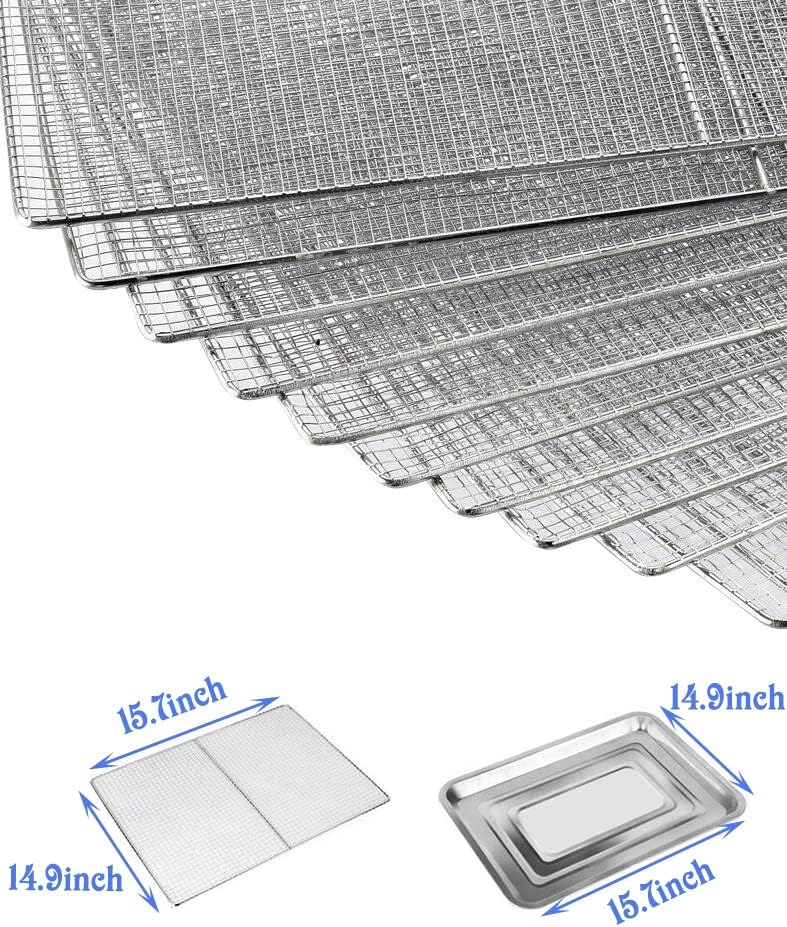
Figure 3: Image showing the electrical wiring (G, L, N) for the dehydrator, indicating that it comes without a plug and needs to be connected to a circuit breaker.
4. Initial Cleaning
Before first use, clean all removable parts, including the trays and any drip trays, with warm soapy water. Wipe down the interior of the unit with a damp cloth. Ensure all parts are completely dry before reassembling.

Figure 4: Close-up view of the stainless steel mesh trays and a solid drip tray, showing their dimensions (approximately 15.7 inches by 14.9 inches for the mesh trays and 15.7 inches by 14.9 inches for the solid tray).
Operating Instructions
1. Control Panel Overview
The dehydrator features a large touch digital display panel for controlling temperature and timing. The panel includes controls for adjusting temperature (TEMP) and time (TIME), along with buttons for specific sections (TOP, MID, BOTTOM) and power (OFF).
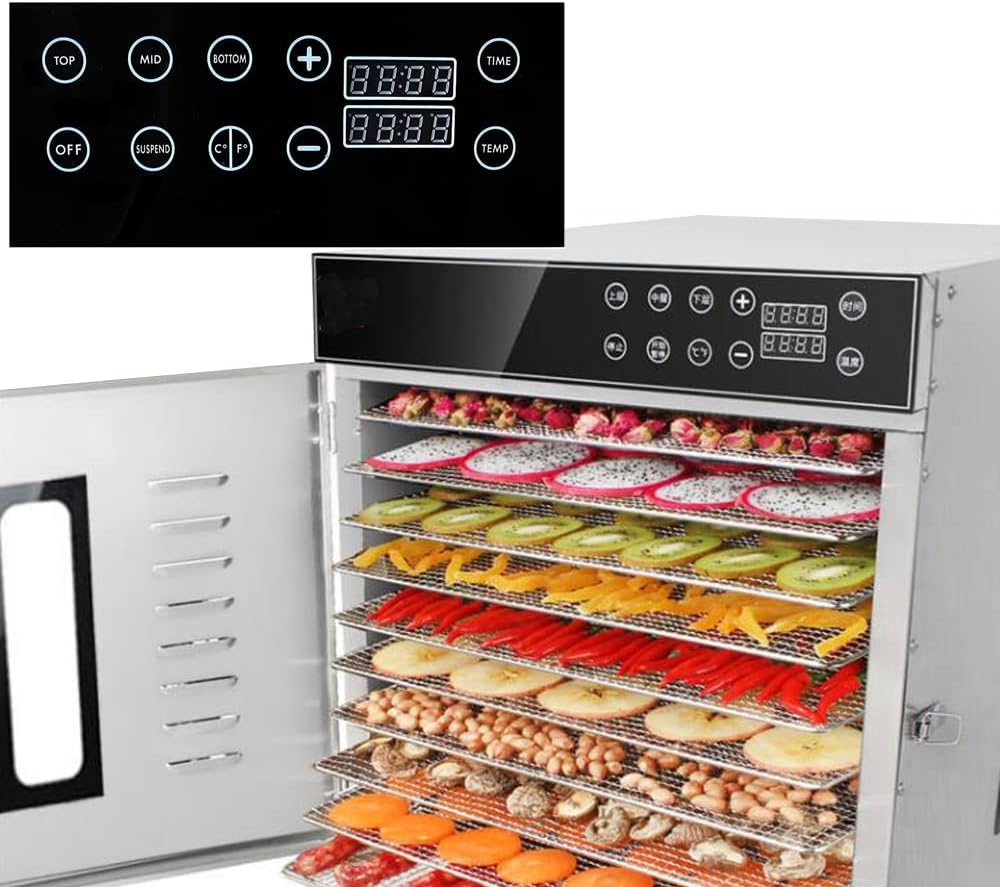
Figure 5: The digital control panel at the top of the dehydrator, showing temperature and time settings, along with the interior filled with various foods on the trays.
2. Loading Trays
Arrange food items evenly on the 30 stainless steel trays. Avoid overcrowding to ensure optimal air circulation and uniform drying. For best results, cut food into uniform sizes.

Figure 6: The dehydrator with its three doors open, revealing the extensive capacity of 30 stainless steel trays ready for loading.
3. Setting Temperature and Time
Adjust the drying temperature using the digital controls. The temperature range is 86-194°F (30-90°C). Set the desired drying time, which can range from 0.5 to 24 hours. Refer to specific food drying guides for recommended settings.
4. Air Circulation System
The dehydrator utilizes three fans and a horizontal circulating airflow system, mimicking natural air drying. The heating elements are positioned to ensure 360° uniform heating of food without overheating, promoting efficient and consistent drying.

Figure 7: A visual representation of the horizontal air circulation and heating pattern within the dehydrator, showing how air flows evenly across all trays.
5. Food Preparation and Drying Times
The dehydrator is suitable for a wide variety of foods. Below is a general guide; specific recipes and desired dryness levels may require adjustments.
| Food Type | Preparation | Recommended Temperature (°F) | Approximate Drying Time (Hours) |
|---|---|---|---|
| Fruits (e.g., apples, bananas, berries) | Slice thinly, pre-treat if desired | 130-140 | 6-12 |
| Vegetables (e.g., carrots, mushrooms, tomatoes) | Slice thinly, blanch if necessary | 120-130 | 4-10 |
| Beef Jerky | Slice thinly, marinate | 155-165 | 4-8 |
| Herbs | Wash, pat dry | 95-105 | 2-6 |
| Seafood | Slice thinly, pre-treat if desired | 145-155 | 6-12 |
Care and Maintenance
1. Cleaning
Regular cleaning ensures the longevity and hygienic operation of your dehydrator. Always unplug the unit before cleaning.
- Trays and Drip Trays: Remove all trays and drip trays. Wash them with warm, soapy water. Rinse thoroughly and dry completely before reinserting. Note: The trays are NOT dishwasher safe.
- Interior: Wipe the interior surfaces with a damp cloth. For stubborn food residues, use a mild detergent solution. Ensure no water enters the fan or electrical components.
- Exterior: Wipe the exterior with a soft, damp cloth. Do not use abrasive cleaners or scouring pads, as they may damage the stainless steel finish.
2. Storage
When not in use, store the dehydrator in a clean, dry place. Ensure all components are clean and dry before storage to prevent mold or odors.
Troubleshooting Guide
This section addresses common issues you might encounter with your dehydrator. For problems not listed here, please contact customer support.
| Problem | Possible Cause | Solution |
|---|---|---|
| Dehydrator does not turn on. | No power supply; circuit breaker tripped. | Ensure the unit is properly connected to the circuit breaker. Check the circuit breaker for trips and reset if necessary. |
| Uneven drying of food. | Overcrowding of trays; inconsistent food thickness; blocked air vents. | Do not overcrowd trays. Ensure food is cut to uniform thickness. Check that air vents are not blocked. Rotate trays periodically if needed. |
| Dehydrator is too noisy. | Loose components; fan obstruction. | Ensure all trays are properly seated. Check for any foreign objects obstructing the fans. If noise persists, contact customer support. |
| Temperature not reaching desired level. | Ambient room temperature too low; faulty heating element or sensor. | Operate the dehydrator in a room with a suitable ambient temperature. If the issue persists, it may indicate a component failure requiring professional service. |
Product Specifications
| Feature | Detail |
|---|---|
| Brand | TECHTONGDA |
| Model | 30 Layers Commercial Food Dehydrator |
| Material | 304 Stainless Steel (Food Safe) |
| Wattage | 2400 watts |
| Voltage | 110 Volts |
| Product Dimensions (D x W x H) | 53.5"D x 18"W x 53.5"H (approximate) |
| Number of Trays | 30 |
| Temperature Range | 86-194°F (30-90°C) |
| Timing Range | 0.5-24 hours |
| Dishwasher Safe Trays | No |
| Air Circulation System | Horizontal, 3 fans, 360° heating |
Warranty Information
Specific warranty details for your TECHTONGDA Commercial Food Dehydrator are typically provided at the time of purchase or within the product packaging. For information regarding warranty coverage, duration, and claims, please refer to your purchase documentation or contact TECHTONGDA customer support directly.
Optional protection plans may be available for extended coverage. Please check with your retailer for details on available plans.
Customer Support
For technical assistance, parts replacement, or any inquiries not covered in this manual, please contact TECHTONGDA customer support. Have your product model number and purchase date ready when contacting support.
You can typically find contact information on the manufacturer's official website or on your purchase receipt.