
Gladiator 27020-24063 27020-25010 27020-26021
Gladiator 12 Volt 45 Amp Alternator User Manual
Model: 27020-24063, 27020-25010, 27020-26021
Introduction
This manual provides essential information for the proper installation, operation, and maintenance of your new Gladiator 12 Volt 45 Amp Alternator. Designed to meet or exceed OEM specifications, this alternator is a reliable replacement part for a range of Toyota vehicles, ensuring optimal performance of your vehicle's electrical system. Please read this manual thoroughly before installation to ensure safety and proper function.
Safety Information
Always prioritize safety when working with automotive electrical components. Failure to follow these safety guidelines may result in personal injury or damage to the vehicle.
- Disconnect the vehicle's battery before beginning any work on the electrical system to prevent electrical shock or short circuits.
- Wear appropriate personal protective equipment (PPE), including safety glasses and gloves.
- Ensure the vehicle is stable and properly supported if working underneath it.
- Avoid contact with hot engine components.
- If you are unsure about any step, consult a qualified automotive technician.
Product Overview
The Gladiator 12 Volt 45 Amp Alternator is a high-quality replacement unit engineered for durability and performance. It is 100% computer load tested to ensure reliability and is designed to provide consistent power to your vehicle's electrical system and recharge the battery.
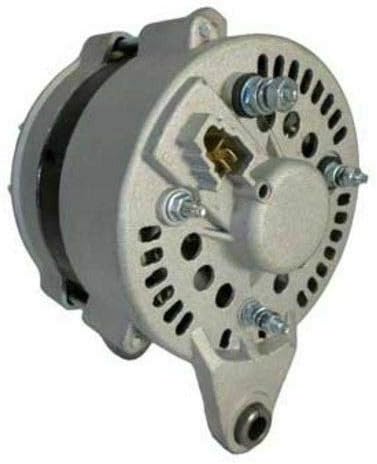
Figure 1: Front-side view of the Gladiator 12 Volt 45 Amp Alternator, showing the main housing and electrical connections.
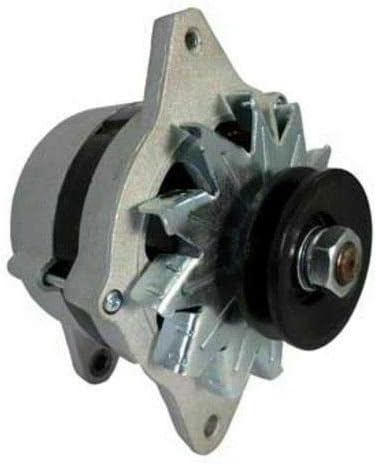
Figure 2: Pulley-side view of the Gladiator 12 Volt 45 Amp Alternator, highlighting the cooling fan and pulley assembly.
Specifications
| Attribute | Value |
|---|---|
| Brand | Gladiator |
| Model Numbers | 27020-24063, 27020-25010, 27020-26021 |
| Voltage | 12 Volts |
| Amperage | 45 Amps |
| Item Weight | 10.25 pounds |
| Product Dimensions | 6.5 x 7 x 5.5 inches |
| Compatibility | Toyota Carina, Celica, Corolla, Corona, Pickup (L4 1.6L-2.0L, 1969-1974) |
Setup and Installation
Installation of an alternator requires mechanical aptitude and basic tools. If you are not comfortable performing this procedure, it is recommended to seek professional assistance.
Required Tools:
- Socket/Wrench Set
- Battery Terminal Wrench
- Serpentine Belt Tool (if applicable)
- Wire Brush (for cleaning terminals)
Installation Steps:
- Disconnect Battery: Using a battery terminal wrench, disconnect the negative (-) battery cable first, followed by the positive (+) cable.
- Locate Alternator: Identify the old alternator in your vehicle's engine bay.
- Remove Belt: Loosen the tensioner pulley and remove the serpentine belt from the alternator pulley.
- Disconnect Wiring: Carefully disconnect all electrical connections from the old alternator. Note their positions for reinstallation.
- Remove Mounting Bolts: Unbolt the old alternator from its mounting brackets. It may be heavy, so support it to prevent dropping.
- Install New Alternator: Position the new Gladiator alternator into the mounting brackets and secure it with the bolts. Do not fully tighten yet.
- Reconnect Wiring: Reattach all electrical connections to the new alternator, ensuring they are secure and in their correct positions.
- Reinstall Belt: Route the serpentine belt correctly around all pulleys, including the alternator pulley. Use the tensioner tool to apply proper tension.
- Tighten Bolts: Fully tighten all mounting bolts for the alternator.
- Reconnect Battery: Reconnect the positive (+) battery cable first, then the negative (-) cable.
- Test System: Start the vehicle and check the dashboard warning lights. Ensure the battery light is off and the vehicle's electrical system is functioning correctly.
Operating Principles
The alternator is a key component of your vehicle's charging system. When the engine is running, the serpentine belt spins the alternator's pulley, which in turn rotates the rotor inside the alternator. This rotation generates an alternating current (AC) through electromagnetic induction. A rectifier within the alternator converts this AC into direct current (DC), which is then used to power the vehicle's electrical components (lights, radio, etc.) and recharge the 12-volt battery. The voltage regulator ensures a consistent output voltage, preventing overcharging or undercharging of the battery.
Maintenance
While alternators are generally low-maintenance components, periodic checks can help ensure their longevity and proper function.
- Belt Inspection: Regularly check the serpentine belt for cracks, fraying, or excessive wear. Ensure it has proper tension. A loose or worn belt can lead to insufficient charging.
- Wiring Connections: Periodically inspect all electrical connections to the alternator for corrosion or looseness. Clean any corroded terminals with a wire brush.
- Battery Health: A weak or failing battery can put undue strain on the alternator. Ensure your battery is in good condition and holds a charge properly.
- Avoid Overloading: Minimize the use of excessive electrical accessories when the engine is off or at low RPMs to reduce strain on the charging system.
Troubleshooting
If you experience issues with your vehicle's charging system, consider the following common problems and solutions:
| Symptom | Possible Cause | Solution |
|---|---|---|
| Battery Warning Light On | Failing alternator, loose/worn belt, faulty wiring, dead battery | Check belt tension, inspect wiring, test battery and alternator output. Replace faulty component. |
| Dim Headlights/Interior Lights | Insufficient charging, weak battery | Test charging system output. Ensure alternator is producing adequate voltage. Check battery health. |
| Battery Drains Quickly | Alternator not charging, parasitic drain, faulty battery | Verify alternator output. Check for electrical components drawing power when vehicle is off. Test battery. |
| Squealing Noise from Engine | Loose or worn serpentine belt, failing alternator bearing | Inspect and adjust belt tension or replace belt. If noise persists, alternator bearing may be failing. |
If troubleshooting steps do not resolve the issue, it is recommended to consult a certified automotive technician.
Warranty Information
This Gladiator Alternator comes with a One Year Warranty from the date of purchase. This warranty covers defects in materials and workmanship under normal use and service. It does not cover damage resulting from improper installation, accident, misuse, abuse, or unauthorized modifications. Please retain your proof of purchase for warranty claims.
Support
For technical assistance, warranty claims, or further inquiries regarding your Gladiator Alternator, please contact Gladiator customer support through the retailer where the product was purchased or visit the official Gladiator website for contact information.
For additional resources and general automotive repair information, you may find helpful guides and forums online. Always refer to your vehicle's specific service manual for detailed instructions relevant to your car model.
Ask a question about this manual
Ask about setup, troubleshooting, compatibility, parts, safety, or missing instructions. Manuals+ will review the question and use this page’s manual context to help answer it.