
1. Introduction
This manual provides detailed instructions for the installation, operation, and maintenance of the BOURNS 3590S-1-103L Rotary Potentiometer. This component is a high-quality, wirewound variable resistor designed for precise control in various electronic applications. It features a 10 kOhm resistance, 2 Watt power rating, and a 10-turn linear adjustment mechanism.

Figure 1: Front view of the BOURNS 3590S-1-103L Rotary Potentiometer.
2. Product Overview
The BOURNS 3590S-1-103L is a robust wirewound potentiometer from the 3590S Series, known for its reliability and precision. Key features include:
- Resistance: 10 kOhm (103L indicates 10 x 10^3 = 10,000 Ohms)
- Power Rating: 2 Watts
- Resistance Tolerance: ± 5%
- Number of Turns: 10 Turns for fine adjustment
- Track Taper: Linear
- Shaft Length: 20.62 mm
- Shaft Diameter: 6.3 mm
- Adjustment Type: Screwdriver Slot
- Mounting: Bushing mount

Figure 2: Side view showing the terminals of the potentiometer.
3. Setup and Installation
Proper installation is crucial for the optimal performance and longevity of your potentiometer.
3.1 Mounting
- Ensure the mounting surface has an appropriately sized hole for the 6.3mm diameter bushing.
- Insert the potentiometer shaft through the mounting hole.
- Place the provided washer over the bushing from the front side of the panel.
- Thread the mounting nut onto the bushing from the front side and tighten it securely. Avoid over-tightening to prevent damage to the potentiometer or panel.

Figure 3: Potentiometer with its mounting nut and washer.
3.2 Electrical Connections
The 3590S-1-103L potentiometer has three terminals.
- Connect the input voltage or signal to one outer terminal.
- Connect the ground or reference to the other outer terminal.
- The center terminal (wiper) provides the variable output voltage or resistance.
Ensure all connections are secure and properly insulated. Refer to your circuit diagram for specific wiring requirements.
4. Operation
The BOURNS 3590S-1-103L is a 10-turn linear potentiometer. This means the resistance changes linearly with the rotation of the shaft over 10 full rotations.
- To adjust the resistance, use a screwdriver to turn the slot on the end of the shaft.
- Turning the shaft clockwise or counter-clockwise will increase or decrease the resistance between the wiper and the respective end terminal.
- The 10-turn design allows for very fine and precise adjustments.
Always ensure the power to the circuit is off or safely managed before making adjustments, especially if the potentiometer is part of a high-voltage or high-current circuit.
5. Maintenance
The BOURNS 3590S-1-103L potentiometer is designed for long-term reliability and generally requires minimal maintenance.
- Cleaning: Keep the potentiometer free from dust, dirt, and moisture. Use a soft, dry cloth for cleaning. Avoid using liquid cleaners directly on the component.
- Environmental Conditions: Operate and store the potentiometer within its specified temperature and humidity ranges to prevent degradation.
- Physical Inspection: Periodically check for any signs of physical damage, loose connections, or corrosion on the terminals.
- Avoid Excessive Force: Do not apply excessive force when turning the shaft or tightening the mounting nut, as this can damage the internal mechanism or the shaft.
6. Troubleshooting
If you encounter issues with your potentiometer, consider the following troubleshooting steps:
- No Resistance Change:
- Check if the potentiometer is correctly wired into the circuit.
- Verify that the wiper terminal is making proper contact.
- Ensure the shaft is turning and not stripped.
- Intermittent or Erratic Resistance:
- Inspect for loose connections or cold solder joints.
- Check for dirt or debris inside the potentiometer (though generally sealed, extreme conditions can cause issues).
- The component might be worn out if it has been subjected to extensive use beyond its rotational life.
- Incorrect Resistance Reading:
- Confirm the potentiometer's rated resistance matches your circuit requirements.
- Measure the resistance across the outer terminals to ensure it matches the 10 kOhm specification (within tolerance).
- Verify your multimeter is functioning correctly.
If problems persist, consider replacing the unit or contacting technical support.
7. Specifications
Detailed technical specifications for the BOURNS 3590S-1-103L Rotary Potentiometer:
| Parameter | Value |
|---|---|
| Model Number | 3590S-1-103L |
| Resistance | 10 kOhm |
| Power Rating | 2 W |
| Resistance Tolerance | ± 5% |
| Series | 3590S Series |
| Number of Turns | 10 Turns |
| Track Taper | Linear |
| Shaft Length | 20.62 mm |
| Shaft Diameter | 6.3 mm |
| Adjustment Type | Screwdriver Slot |
| Number of Gangs | 1 |
| Mounting Type | Bushing |
| Item Weight | 1 pound |
| Package Dimensions | 3.07 x 2.56 x 0.98 inches |
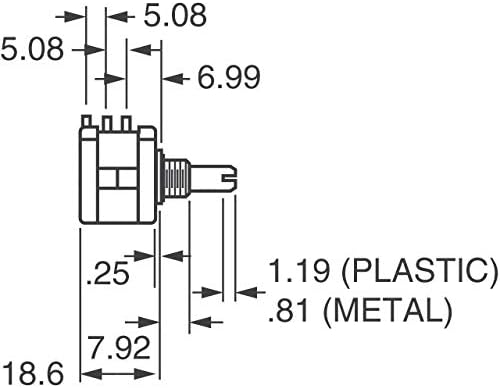
Figure 4: Technical drawing illustrating key dimensions of the potentiometer.

Figure 5: Potentiometer with common dimensions labeled for reference.
8. Warranty and Support
For specific warranty information and technical support regarding your BOURNS 3590S-1-103L Rotary Potentiometer, please refer to the documentation provided with your purchase or visit the official BOURNS website.
Manufacturer: BOURNS
Part Number: 3590S-1-103L


