
1. Important Safety Instructions
Before beginning any exercise program, consult with your physician. This is especially important for individuals over the age of 35 or those with pre-existing health conditions. Read all instructions carefully before using the exercise bike.
- Keep children and pets away from the equipment.
- Place the exercise bike on a flat, stable surface. Use a protective mat if necessary.
- Ensure all bolts and nuts are securely tightened before each use.
- Wear appropriate exercise clothing and footwear. Avoid loose clothing that could get caught in moving parts.
- Do not exceed the maximum user weight of 120 kg.
- If you experience dizziness, nausea, chest pain, or any other abnormal symptoms, stop your workout immediately and consult a physician.
- Perform regular maintenance as described in this manual.
2. Package Contents
Carefully unpack all components and verify that you have received all parts listed below. If any parts are missing or damaged, contact customer support.
- Main Frame
- Front and Rear Stabilizers
- Pedals (Left and Right)
- Seat Post and Seat
- Handlebar Post and Handlebars
- Monitor/Display Console
- Water Bottle Holder and Water Bottle
- Assembly Hardware (bolts, washers, nuts, tools)
- User Manual
3. Assembly Instructions
Follow these steps to assemble your Physionics Indoor Exercise Bike. It is recommended to have two people for assembly.
- Attach Stabilizers: Secure the front and rear stabilizers to the main frame using the provided bolts and washers. Ensure they are firmly attached for stability.
- Install Pedals: Identify the left (L) and right (R) pedals. The left pedal screws counter-clockwise, and the right pedal screws clockwise. Ensure they are fully tightened to prevent stripping.
- Mount Seat and Handlebars: Insert the seat post into the main frame and secure it at your desired height. Attach the seat to the seat post. Similarly, insert the handlebar post and attach the handlebars.
- Connect Monitor: Connect the sensor wires from the main frame to the monitor console. Mount the monitor onto the handlebar post. Insert batteries (not included) into the monitor.
- Attach Accessories: Install the water bottle holder and any other accessories.

Figure 3.1: Fully assembled Physionics Indoor Exercise Bike. This image shows the complete structure including the frame, seat, handlebars, pedals, and display console.
4. Operating Instructions
4.1. Using the Display Console
The display console tracks your workout data. Insert two AAA batteries (not supplied) into the battery compartment on the back of the monitor.

Figure 4.1: Close-up of the display console showing various metrics. The display shows Time, Speed, Calories, Distance, Odometer, and Pulse.
- MODE Button: Press to cycle through different display functions (Time, Speed, Distance, Calories, Odometer, Pulse). Press and hold to reset values.
- SCAN: Automatically cycles through all functions every few seconds.
- TIME: Displays the duration of your workout.
- SPEED: Shows your current speed.
- DISTANCE: Displays the distance covered during your current workout.
- CALORIES: Estimates the calories burned during your workout.
- ODOMETER: Displays the total accumulated distance.
- PULSE: Shows your heart rate when holding the pulse sensors on the handlebars.
4.2. Adjusting Resistance
The exercise bike features an adjustable resistance system to vary your workout intensity.

Figure 4.2: Diagram illustrating the resistance and brake system. Turning the red knob controls the resistance level, while pressing it activates the emergency brake.
- Increase Resistance: Turn the resistance knob clockwise to increase the workout intensity.
- Decrease Resistance: Turn the resistance knob counter-clockwise to decrease the workout intensity.
- Emergency Brake: Press down firmly on the resistance knob to engage the emergency brake and stop the flywheel immediately.
4.3. Special Features

Figure 4.3: Overview of additional features including the phone holder, water bottle, and foot straps. These features enhance user convenience during workouts.
- Phone Holder: A convenient holder is integrated into the handlebars to secure your smartphone or tablet during your workout.
- Water Bottle Holder: A dedicated holder keeps your water bottle within easy reach for hydration.
- Foot Straps: Adjustable foot straps on the pedals ensure your feet remain securely in place during intense cycling.
5. Adjustments
Proper adjustment of the seat and handlebars is crucial for comfort and effective exercise.

Figure 5.1: Illustration showing the adjustable seat and handlebars. The seat can be adjusted horizontally and vertically, and the handlebars vertically.
- Seat Height: Loosen the adjustment knob on the seat post. Raise or lower the seat until your leg has a slight bend at the knee when the pedal is at its lowest point. Tighten the knob securely.
- Seat Horizontal Position: Loosen the adjustment knob under the seat. Slide the seat forward or backward to find a comfortable position relative to the handlebars. Tighten the knob securely.
- Handlebar Height: Loosen the adjustment knob on the handlebar post. Raise or lower the handlebars to a comfortable height that allows for a relaxed upper body posture. Tighten the knob securely.
6. Maintenance
Regular maintenance ensures the longevity and safe operation of your exercise bike.
- Cleaning: Wipe down the bike with a damp cloth after each use to remove sweat and dust. Avoid abrasive cleaners.
- Check Connections: Periodically check all bolts, nuts, and screws to ensure they are tight. Tighten any loose connections.
- Lubrication: Apply a small amount of silicone-based lubricant to moving parts (e.g., pedal axles, resistance mechanism) if you notice squeaking or stiffness.
- Storage: Store the bike in a dry, cool place away from direct sunlight and extreme temperatures.

Figure 6.1: Image showing the transport wheels located at the front stabilizer. These wheels allow for easy relocation of the exercise bike.
To move the bike, tilt it forward onto the transport wheels and roll it to the desired location. Ensure the area is clear before moving.
7. Troubleshooting
| Problem | Possible Cause | Solution |
|---|---|---|
| Display not working | Dead batteries, loose connection | Replace batteries, check monitor cable connection. |
| Squeaking noise during use | Loose parts, lack of lubrication | Check and tighten all bolts. Apply lubricant to moving parts. |
| Resistance not changing | Resistance knob mechanism issue | Ensure the resistance knob is properly engaged. Contact customer support if the issue persists. |
| Bike feels unstable | Uneven surface, loose stabilizers | Place on a flat surface. Check and tighten stabilizer bolts. |
8. Specifications
- Brand: Physionics
- Model Name: Vélo d'Appartement
- Dimensions (L x W x H): Approximately 105 cm x 46 cm x 100 cm
- Item Weight: 27.65 Kilograms
- Maximum User Weight: 120 Kilograms
- Flywheel Weight: 10 kg
- Material: Steel frame; Other: ABS plastic, PU leather, and foam
- Resistance Mechanism: Air
- Power Source (Display): Battery powered (batteries not included)
- Color: Black, Red

Figure 8.1: Diagram showing the dimensions of the exercise bike (105cm length, 47cm width, 100cm height) and highlighting the steel frame construction.
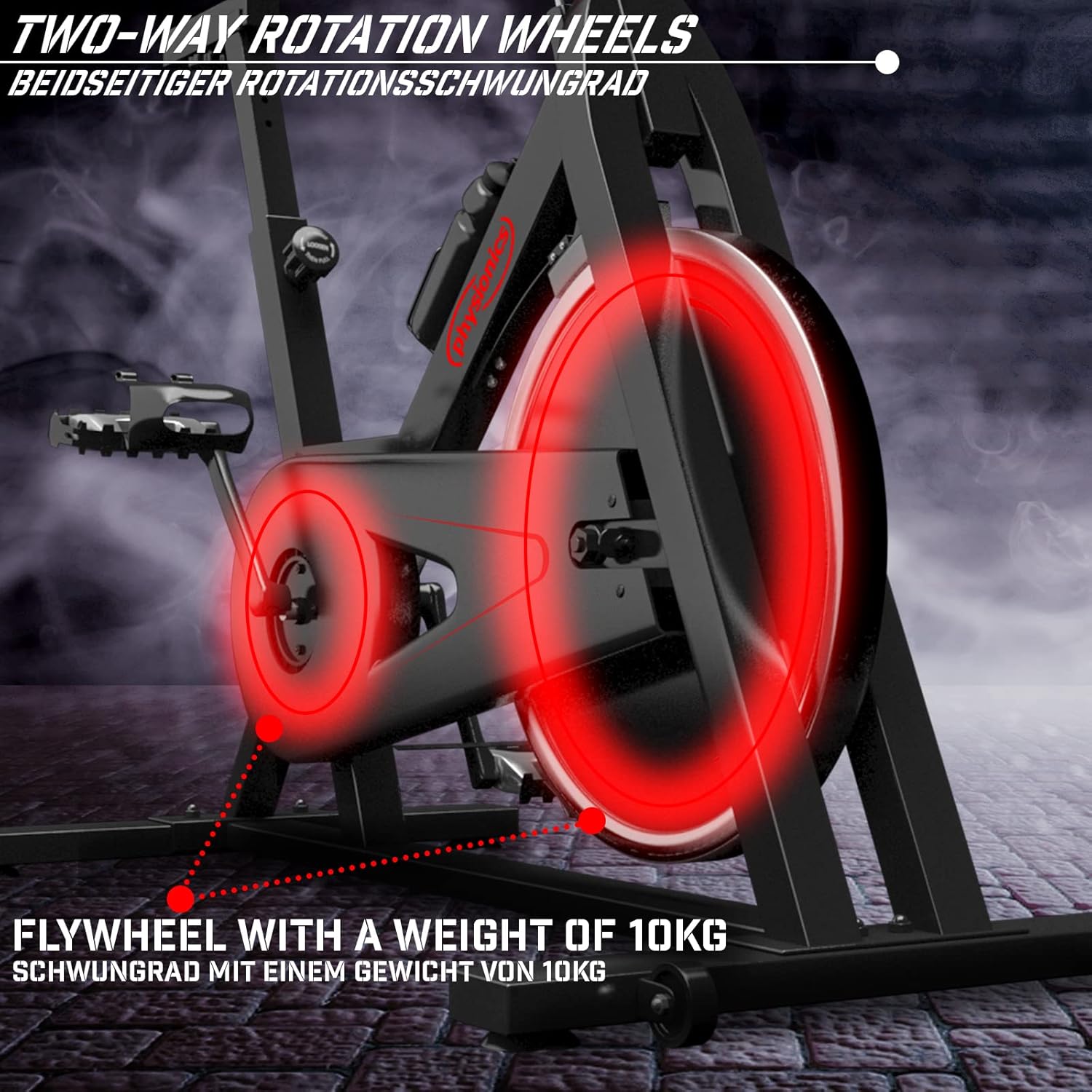
Figure 8.2: Close-up of the 10kg flywheel, indicating its two-way rotation capability.
9. Warranty and Support
For warranty information or technical support, please refer to the documentation included with your purchase or contact Physionics customer service. Keep your proof of purchase for warranty claims.
For further assistance, please visit the official Physionics website or contact their customer support channels.