
Yale YEC/250/DB1
Yale YEC/250/DB1 Medium Alarmed Value Safe User Manual
Model: YEC/250/DB1
1. Introduction
This manual provides essential instructions for the installation, operation, and maintenance of your Yale YEC/250/DB1 Medium Alarmed Value Safe. Please read this manual thoroughly before using the safe to ensure proper function and security.
The Yale YEC/250/DB1 safe is designed to protect your valuables with its solid steel construction, electronic lock, and integrated 130dB alarm system.
1.1 Package Contents
- 1 x Yale YEC/250/DB1 Alarmed Value Safe
- 2 x Emergency Override Keys
- 4 x AA Batteries
- 1 x Pack of Fixing Bolts (for wall or floor mounting)
- 1 x User Manual (this document)

Image 1.1: Front view of the Yale YEC/250/DB1 Medium Alarmed Value Safe, showing the electronic keypad and key lock.
2. Important Safety Information
- Do not store emergency override keys inside the safe. Keep them in a secure, separate location.
- Ensure the safe is securely mounted to a wall or floor to prevent unauthorized removal.
- Replace batteries promptly when the low battery indicator appears to avoid loss of access.
- Keep the safe away from excessive moisture or extreme temperatures.
- Do not attempt to force the safe open if the electronic lock malfunctions. Use the emergency override key.
3. Safe Components
Familiarize yourself with the main components of your Yale Alarmed Value Safe:
- Electronic Keypad: Used for entering your personal access code.
- Key Lock Cylinder: For emergency override using the mechanical key.
- Door Handle/Knob: To open and close the safe door.
- Locking Bolts: Steel bolts that secure the door when locked.
- Battery Compartment: Located inside the door, holds 4 AA batteries.
- Alarm Speaker: Emits a 130dB alarm when triggered.
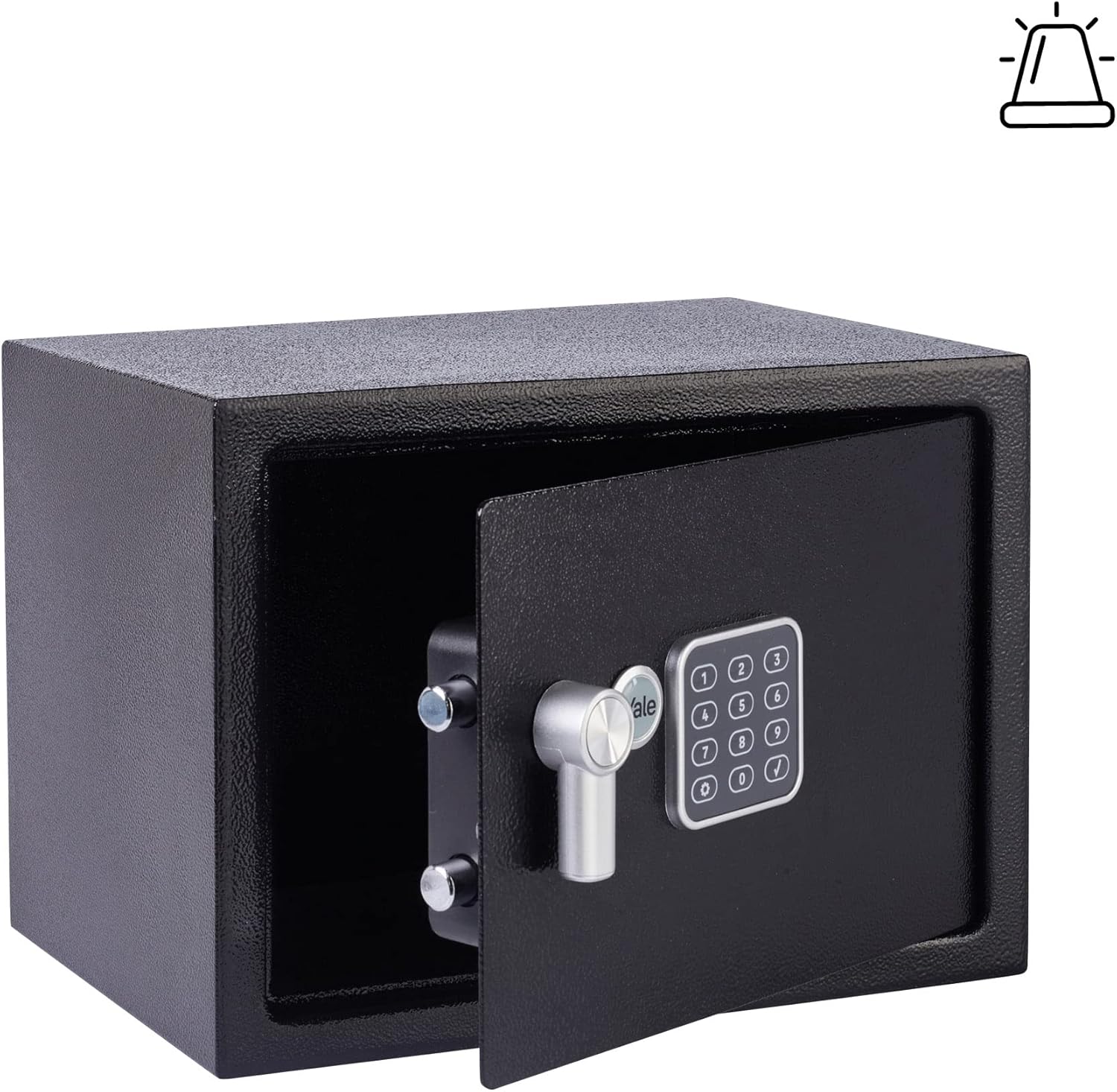
Image 3.1: Interior view of the safe with the door open, illustrating the locking bolts and internal structure.
4. Setup and Installation
4.1 Battery Installation
- Open the safe door using one of the emergency override keys. Insert the key into the key lock cylinder and turn it clockwise. Rotate the door handle to open.
- Locate the battery compartment on the inside of the safe door.
- Insert the 4 supplied AA batteries, ensuring correct polarity (+/-).
- Close the battery compartment cover.
4.2 Setting Your Personal Access Code
The safe comes with a factory default code. It is crucial to change this immediately.
- With the safe door open, press the red reset button located on the inside of the door, near the hinge. You will hear a beep.
- Within 5 seconds, enter your desired 3 to 8 digit code on the keypad.
- Press the '#' (hash) button to confirm. The safe will beep twice, indicating the new code is set.
- Test the new code with the door open before closing it. Enter your new code, then press '#'. The locking bolts should retract.
4.3 Mounting the Safe
The safe can be securely fixed to a wall or floor using the provided fixing bolts. Choose a discreet and secure location.
- Select a suitable mounting location. Ensure there are no electrical wires or plumbing behind the drilling area.
- Mark the drilling points through the pre-drilled holes at the back or bottom of the safe.
- Drill pilot holes into the wall or floor using an appropriate drill bit.
- Position the safe and secure it using the provided fixing bolts. Tighten all bolts firmly.

Image 4.1: Example of the safe installed within a closet for discreet placement.
5. Operating Instructions
5.1 Opening the Safe with Your Code
- Enter your 3 to 8 digit personal access code.
- Press the '#' (hash) button. A green light will illuminate, and you will hear a beep.
- Within 5 seconds, turn the door handle clockwise to open the safe.
5.2 Locking the Safe
- Close the safe door firmly.
- Turn the door handle counter-clockwise to engage the locking bolts. The safe is now locked.
5.3 Emergency Override Key
In case of battery failure or forgotten code, the safe can be opened using the emergency override key.
- Locate the key lock cylinder cover (usually a small removable panel next to the keypad). Remove it.
- Insert one of the emergency override keys into the cylinder.
- Turn the key clockwise and simultaneously turn the door handle clockwise to open the safe.
- Once open, you can replace the batteries or reset the code as needed.
5.4 Alarm System
The integrated 130dB alarm will activate under the following conditions:
- Tampering: If the safe is subjected to physical shock or attempted forced entry.
- Incorrect Code Attempts: After 3 consecutive incorrect code entries.
To silence the alarm, enter the correct personal access code on the keypad.
6. Maintenance
6.1 Battery Replacement
When the batteries are low, the keypad may flash a red light or emit a warning sound after opening. Replace all 4 AA batteries promptly to ensure continued operation.
- Open the safe door.
- Open the battery compartment cover.
- Remove the old batteries and dispose of them responsibly.
- Insert 4 new AA alkaline batteries, observing correct polarity.
- Close the battery compartment cover.
6.2 Cleaning
Clean the exterior of the safe with a soft, damp cloth. Do not use abrasive cleaners or solvents, as these can damage the finish or electronic components.
7. Troubleshooting
| Problem | Possible Cause | Solution |
|---|---|---|
| Safe does not open with code. | Incorrect code entered. Low batteries. | Re-enter code carefully. Replace batteries. Use emergency override key. |
| Alarm triggers unexpectedly. | Safe was tampered with. Incorrect code attempts. | Enter correct code to silence. Ensure safe is securely mounted. |
| Keypad is unresponsive. | Dead batteries. | Use emergency override key to open and replace batteries. |
| Door does not close or lock properly. | Obstruction in door frame. Locking bolts misaligned. | Check for obstructions. Ensure safe is on a level surface. |
8. Specifications
| Feature | Detail |
|---|---|
| Model | YEC/250/DB1 |
| External Dimensions (H x W x D) | 250mm x 350mm x 250mm (25 x 35 x 25 cm) |
| Internal Dimensions (H x W x D) | 240mm x 340mm x 200mm |
| Capacity | 16.3 Litres |
| Weight | 5.6 kg |
| Lock Type | Electronic Keypad with Mechanical Override Key |
| Code Length | 3 to 8 digits |
| Alarm | Integrated 130dB alarm (triggered by tampering or 3 incorrect codes) |
| Material | Alloy Steel |
| Power Source | 4 x AA Alkaline Batteries (included) |
| Mounting Type | Floor Mount, Wall Mount |

Image 8.1: Dimensional diagram of the safe, indicating external and internal measurements.
9. Warranty and Support
For warranty information and technical support, please refer to the official Yale website or contact Yale customer service directly. Keep your purchase receipt as proof of purchase.
For further assistance, visit the official Yale website: www.yalehome.com
Related documentsYEC/250/DB1


Ask a question about this manual
Ask about setup, troubleshooting, compatibility, parts, safety, or missing instructions. Manuals+ will review the question and use this page’s manual context to help answer it.