1. Product Overview
The KuWFi LTE Router CPE812 is a 4G wireless WiFi internet router designed to provide network connectivity using a SIM card. It features a transmission speed of up to 300Mbps and supports up to 32 WiFi users. This device is suitable for home and office environments, offering a 2.4GHz WiFi hotspot with broad coverage.
Key Features:
- 4G LTE FDD: B1/B3/B7/B8/B20
- 4G LTE TDD: B38/B39/B40/B41
- 3G WCDMA: B1/B8
- Wireless transmission speed up to 300Mbps
- 2.4GHz WiFi hotspot with up to 3,000 square meter coverage
- Supports up to 32 WiFi users
- Internal dual-antenna design
- LED indicator display for status monitoring
- Security Protocol: WPA2-PSK
- Two RJ45 ports (one WAN, one LAN)

Image 1.1: Front view of the KuWFi LTE Router CPE812, showcasing its four non-detachable antennas and LED indicators.
2. Setup Guide
Follow these steps to set up your KuWFi LTE Router CPE812.
2.1. Inserting the SIM Card
- Locate the SIM card slot on the side of the router.
- Insert a standard SIM card into the designated slot. Ensure the SIM card is correctly oriented.
- The router supports standard SIM cards. Micro and Nano SIM cards require an adapter (not included).

Image 2.1: Side view of the router highlighting the SIM card slot, LAN/WAN ports, and power input.

Image 2.2: Illustration indicating that only standard SIM cards are directly compatible; Micro and Nano SIMs require adapters.
2.2. Powering On the Router
- Connect the power adapter to the DC IN port on the router.
- Plug the power adapter into a wall outlet.
- Press the ON/OFF button to power on the device. The LED indicators on the front will light up.

Image 2.3: The router packaged with its power adapter, Ethernet cable, and user manual.
2.3. Initial Wi-Fi Connection
- Once powered on, the router will broadcast a Wi-Fi signal.
- On your computer or mobile device, search for available Wi-Fi networks.
- Connect to the network with the SSID (Wi-Fi name) printed on the label at the bottom of the router (e.g., WIFI-XXXXX).
- Enter the default Wi-Fi password (e.g., 12345678) also found on the router's label.
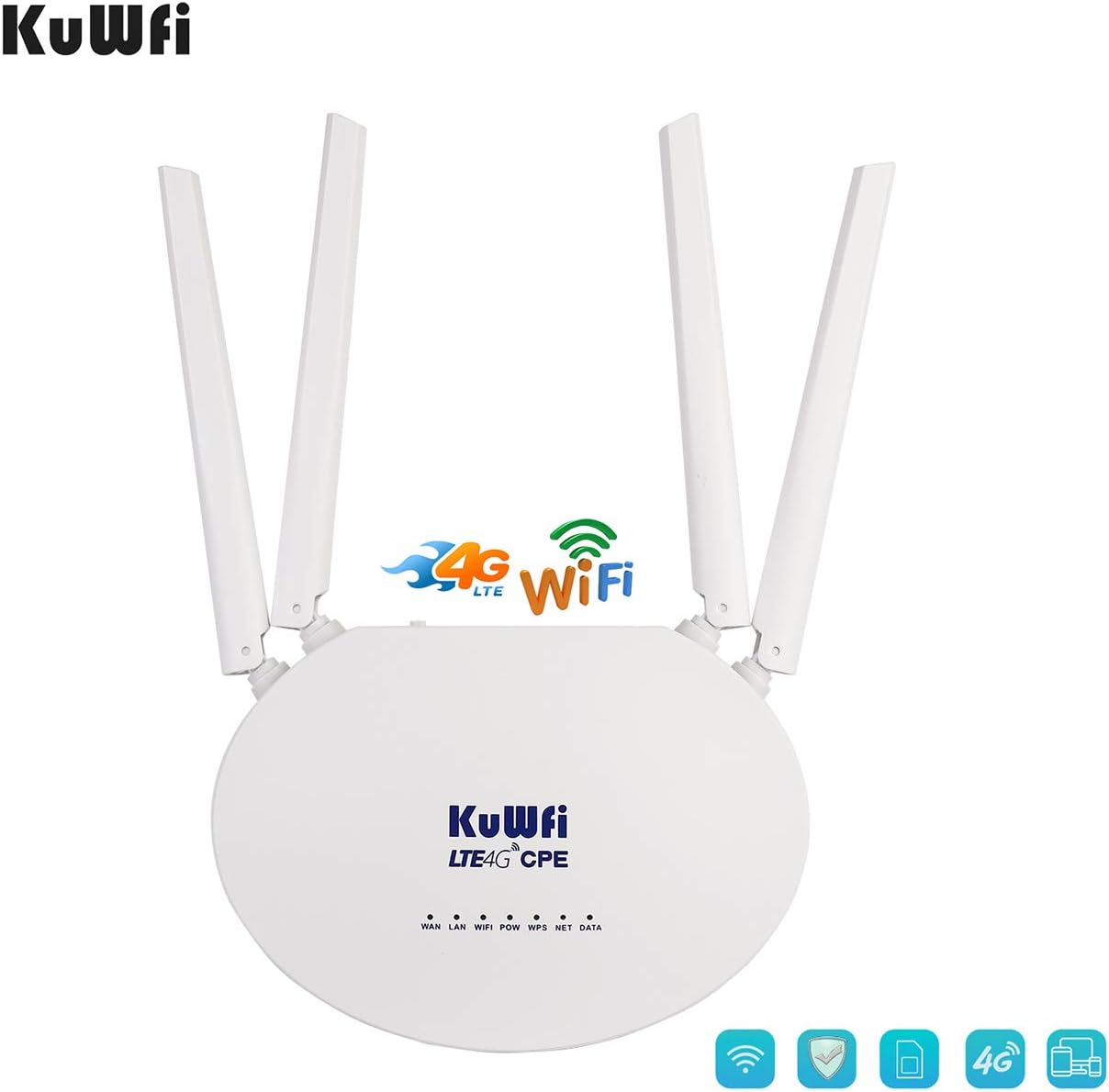
Image 2.4: The bottom label of the router displaying important information such as the default SSID and password.
2.4. Accessing the Web Interface and APN Setup
- Open a web browser on a device connected to the router's Wi-Fi.
- Enter the default IP address 192.168.10.1 into the address bar and press Enter.
- Log in to the web interface. The default username and password are typically "admin" (refer to the router's label if different).
- Navigate to the "3G/4G setup" section.
- Important: Uncheck the "auto select 3G / 4G ISP" option.
- Choose "User Defined" for the APN settings.
- Enter the correct APN (Access Point Name) provided by your SIM card provider. If you are unsure, you can insert your SIM card into a mobile phone and check its APN settings, or contact your SIM card provider.
- Click "APPLY" to save the settings.

Image 2.5: Example of how to find APN settings on a mobile phone.

Image 2.6: Web interface screenshot demonstrating where to enter APN details.
3. Operation
3.1. Understanding Work Modes
The router supports various work modes to suit different network environments. These can typically be configured in the web interface under the "Mode" section.
- 3G/4G Wireless Router Mode: Connects to the internet via SIM card and broadcasts Wi-Fi.
- Standard Wireless Router Mode: Connects to a local network via Ethernet and broadcasts Wi-Fi.
- Standard Wireless AP and APClient Bridge Mode: Works as an access point or client bridge.
- Wireless AP Client Mode: Connects to another wireless AP or router via Ethernet.
3.2. Modifying Wi-Fi Settings
To change your Wi-Fi network name (SSID) or password:
- Access the web interface (192.168.10.1).
- Go to the "Wireless" section, then "Basic" to modify the SSID. Enter your desired network name and click "Apply".
- Go to the "Wireless" section, then "Security" to modify the Wi-Fi password (WPA-PSK Key). Enter your new password and click "Apply".
3.3. Video Guide: Setup and Configuration
Video 3.1: An operational video demonstrating the setup process, SIM card insertion, power connection, and web interface configuration for the KuWFi LTE Router CPE812. This video also shows how to set the APN and change Wi-Fi settings.
4. Maintenance
To ensure optimal performance and longevity of your KuWFi LTE Router CPE812:
- Keep the device in a cool, dry place, away from direct sunlight and moisture.
- Avoid placing the router near strong electromagnetic fields.
- Clean the exterior of the router with a soft, dry cloth. Do not use liquid cleaners.
- Ensure proper ventilation around the device to prevent overheating.
- Periodically check for firmware updates on the manufacturer's website to enhance performance and security.
5. Troubleshooting
If you encounter issues with your router, refer to the following common solutions:
5.1. No Network Data Connection Despite Wi-Fi Connection
If your device connects to the router's Wi-Fi but has no internet access:
- Check APN Settings: Confirm that the APN settings in the router's web interface are correct. You can verify the correct APN by inserting your SIM card into a mobile phone and checking its network settings, then manually entering it into the router.
- Contact Provider: If the frequency bands are correct but automatic connection fails, manually set the APN. Consult your SIM card provider for the correct APN information.

Image 5.1: Detailed steps for checking and setting APN on a mobile device.
5.2. Poor 4G Signal
If you experience weak or unstable 4G signal:
- Network Mode: Ensure that you have selected "4G only" in the router's settings if your area has strong 4G coverage.
- Router Placement: Position the router in an open area, away from obstructions like thick walls or large metal objects, and near a window if possible, to improve signal reception.
- Lock Network Type: In the web interface, you can manage the settings page to lock the router to a 4G or 3G network, which can improve network stability if the signal is fluctuating.
5.3. Router Not Recognizing SIM Card
If the router does not detect the SIM card:
- Correct Insertion: Ensure the SIM card is inserted correctly and fully into the slot.
- SIM Card Type: Verify you are using a standard SIM card or the correct adapter for Micro/Nano SIMs.
- IMEI Activation: Note that if your SIM card requires IMEI activation, this router may not function.
6. Specifications
| Feature | Detail |
|---|---|
| Model Number | CPE812 |
| Network Frequency (4G LTE FDD) | B1/B3/B7/B8/B20 (2100/1800/2600/900/800MHz) |
| Network Frequency (4G LTE TDD) | B38/B39/B40/B41 |
| Network Frequency (3G WCDMA) | B1/B8 |
| Main CPU | RT7628 Basic Frequency 580MHz |
| ROM | 64Mbits SPI Flash |
| RAM | 1024Mb DDR2 |
| Transmission Range | 50-100M |
| Working Temperature | -10℃ ~ 40℃ |
| LAN Ports | 2 x RJ45 (1 WAN, 1 LAN) |
| WiFi Speed | Up to 300Mbps (2.4GHz) |
| Max WiFi Users | 32 |
| Antenna Type | Internal |
| Security Protocol | WPA2-PSK |
| Control Method | App (Web Interface) |
| Included Components | Router |
| Item Weight | 12.8 ounces |
| Package Dimensions | 10.9 x 8.2 x 1.5 inches |
7. Warranty & Support
KuWFi provides comprehensive support for its products.
- Warranty: This product comes with a 3-year warranty.
- Technical Support: VIP Technical Support is available for assistance with setup, configuration, and troubleshooting.
- Contact: If you encounter any problems, especially regarding SIM card connectivity or APN settings, please contact the seller or KuWFi customer support for assistance.


