
Introduction
This manual provides essential information for the proper installation, function, and maintenance of the BOSCH 0261545109 Fuel Pressure Sensor. Please read this manual thoroughly before attempting any installation or service to ensure safe and correct operation.
Safety Information
WARNING:
- Always disconnect the vehicle's battery before working on electrical or fuel system components.
- Fuel systems are under pressure and contain flammable liquids. Exercise extreme caution to prevent fuel leaks, spills, and fire hazards.
- Wear appropriate personal protective equipment (PPE), including safety glasses and gloves.
- Installation should ideally be performed by a qualified automotive technician. Improper installation can lead to vehicle damage, injury, or fire.
- Refer to the vehicle manufacturer's service manual for specific procedures and torque specifications.
Product Overview
The BOSCH 0261545109 is a high-quality, genuine OEM fuel pressure sensor designed for various VW, Audi, and Porsche models. This sensor plays a critical role in the engine management system by accurately measuring the fuel pressure within the fuel rail or fuel line and transmitting this data to the Engine Control Unit (ECU).
Accurate fuel pressure readings are essential for:
- Optimizing fuel delivery and combustion efficiency.
- Ensuring correct air-fuel mixture.
- Preventing engine performance issues such as misfires, poor acceleration, or stalling.
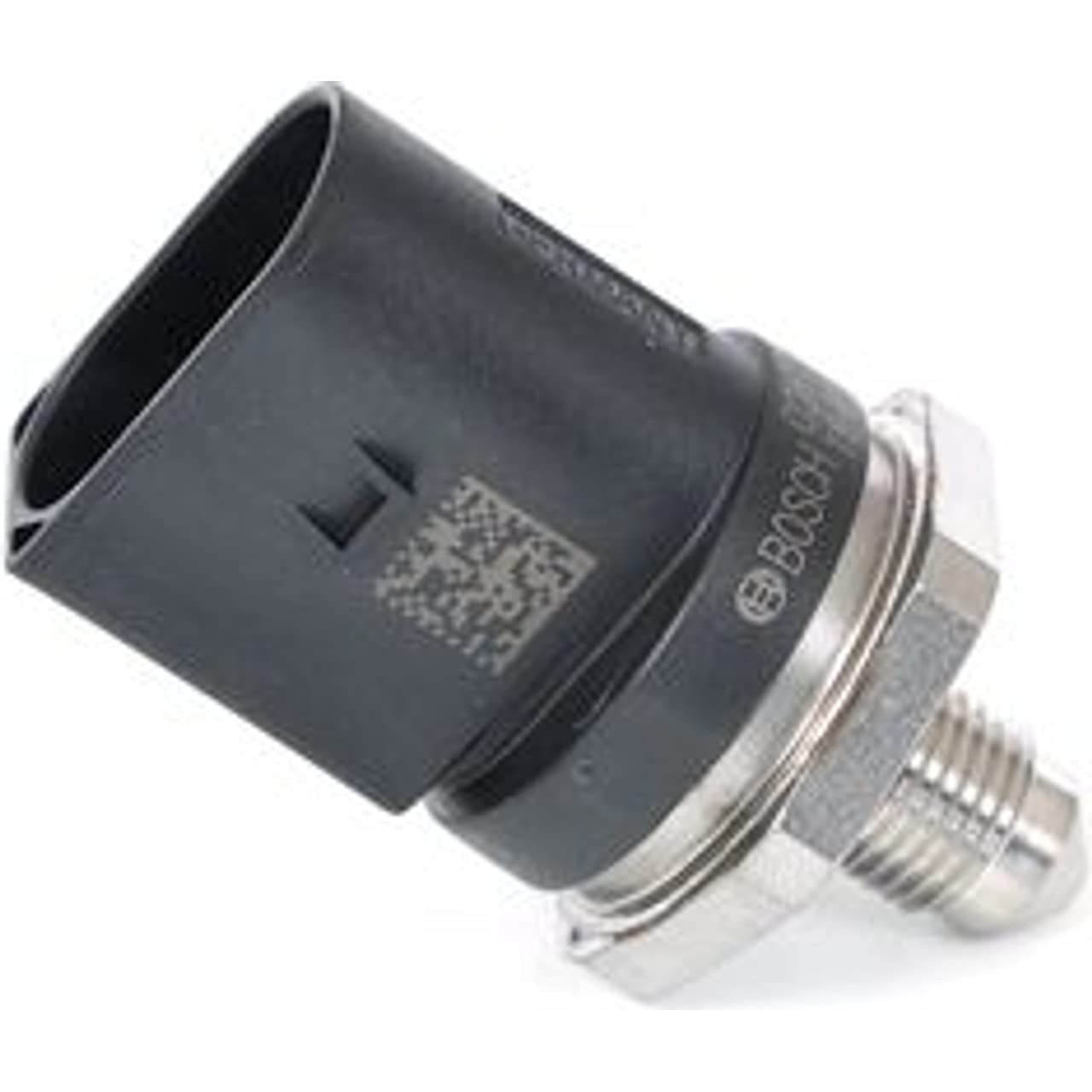
Image of the BOSCH 0261545109 Fuel Pressure Sensor, showing its compact design and electrical connector.
Installation and Setup
Note: Professional installation is highly recommended due to the critical nature of fuel system components and the potential for serious hazards if not installed correctly.
- Preparation:
- Ensure the engine is cool.
- Disconnect the negative terminal of the vehicle's battery.
- Relieve fuel system pressure according to the vehicle manufacturer's service manual. This is a critical safety step.
- Locate the existing fuel pressure sensor. Its location varies by vehicle model (e.g., on the fuel rail, high-pressure pump, or fuel line).
- Removal of Old Sensor:
- Carefully disconnect the electrical connector from the old sensor.
- Place absorbent rags around the sensor to catch any residual fuel.
- Using the appropriate wrench or socket, carefully unthread and remove the old sensor. Be prepared for a small amount of fuel leakage.
- Inspect the mounting area for any debris or damage.
- Installation of New Sensor:
- Ensure the new BOSCH 0261545109 sensor is clean and free of any contaminants.
- Apply a small amount of appropriate thread sealant (if specified by the vehicle manufacturer) to the sensor threads, avoiding the sensor tip.
- Carefully thread the new sensor into its mounting location by hand to prevent cross-threading.
- Tighten the sensor to the vehicle manufacturer's specified torque using a torque wrench. Overtightening can damage the sensor or fuel system components.
- Reconnect the electrical connector, ensuring it clicks securely into place.
- Post-Installation:
- Reconnect the vehicle's battery.
- Turn the ignition to the "ON" position (without starting the engine) for a few seconds to allow the fuel pump to prime the system and build pressure. Check for any fuel leaks around the new sensor. Repeat this step a few times.
- Start the engine and carefully check for any fuel leaks or abnormal operation.
- Clear any stored diagnostic trouble codes (DTCs) using a suitable scan tool.
Operation
The BOSCH 0261545109 Fuel Pressure Sensor operates continuously while the engine is running. It converts the physical fuel pressure into an electrical signal, which is then sent to the vehicle's ECU. The ECU uses this information to:
- Adjust fuel injector pulse width for precise fuel delivery.
- Control the fuel pump output to maintain optimal fuel pressure.
- Detect potential issues within the fuel system, such as low or high fuel pressure, and trigger diagnostic trouble codes (DTCs) if values fall outside specified parameters.
No user intervention is required for the sensor's operation once correctly installed.
Maintenance
The BOSCH 0261545109 Fuel Pressure Sensor is a sealed, maintenance-free component. Regular maintenance is generally not required for the sensor itself. However, it is advisable to:
- Periodic Inspection: During routine vehicle servicing, visually inspect the sensor and its electrical connector for any signs of damage, corrosion, or fuel leaks.
- Fuel System Health: Ensure the overall fuel system (fuel filter, fuel pump, injectors) is maintained according to the vehicle manufacturer's recommendations, as issues in other components can affect fuel pressure readings.
Do not attempt to clean the internal components of the sensor or apply any solvents, as this may cause damage.
Troubleshooting
A faulty fuel pressure sensor can lead to various engine performance issues. If you experience any of the following symptoms, the sensor may require diagnosis or replacement:
- Check Engine Light (CEL) illuminated with related DTCs (e.g., P0190, P0191, P0192, P0193, P0194).
- Engine misfires or rough idling.
- Difficulty starting the engine.
- Poor acceleration or reduced engine power.
- Stalling.
- Excessive fuel consumption.
Diagnostic Steps:
- Scan for DTCs: Use an OBD-II scanner to retrieve any stored diagnostic trouble codes. These codes can provide specific information about the fault.
- Check Wiring: Inspect the electrical connector and wiring harness leading to the sensor for any signs of damage, corrosion, or loose connections.
- Live Data Monitoring: If possible, use a scan tool to monitor the fuel pressure sensor's live data. Compare the readings to the vehicle manufacturer's specifications.
- Fuel Pressure Test: A mechanical fuel pressure gauge can be used to verify actual fuel pressure and compare it against the sensor's readings.
If diagnosis confirms a faulty sensor, replacement with a genuine BOSCH part is recommended.
Specifications
| Attribute | Value |
|---|---|
| Brand | Bosch |
| Model Number | 0 261 545 109 |
| Product Dimensions | 6.7 x 5.3 x 4.8 cm |
| Item Weight | 0.05 Kilograms (50 g) |
| Mounting Type | Flange Mount |
| Specific Uses | Pressure Sensor (Fuel) |
| Included Components | Sensor, Fuel Pressure |
Warranty and Support
BOSCH automotive parts are manufactured to high-quality standards and typically come with a manufacturer's warranty against defects in materials and workmanship. For specific warranty terms and conditions, please refer to the documentation provided with your purchase or visit the official Bosch automotive website.
For technical support, installation assistance, or warranty claims, please contact Bosch customer service or an authorized Bosch service center. Ensure you have your product model number (0 261 545 109) and proof of purchase available when contacting support.
Bosch Official Website: www.bosch-automotive.com