1. Introduction
Welcome to your new Yamaha PAC612VIIFM electric guitar. This manual provides essential information for setting up, operating, maintaining, and troubleshooting your instrument. Please read it thoroughly to ensure optimal performance and longevity of your guitar.
2. Key Features
The Yamaha PAC612VIIFM electric guitar is equipped with several high-quality components designed for superior playability and tone:
- Graph Tech TUSQ Nut
- Seymour Duncan Pickups: SSL-1 (neck), SSL-1 RwRp (middle), Custom 5 TB-14 (bridge)
- 5-Position Lever Switch for versatile pickup selection
- Wilkinson VS50 Bridge for stable tremolo performance
- Push-Pull Coil Split on the Master Tone Knob for single-coil tones
3. Product Overview
Familiarize yourself with the main components of your Yamaha PAC612VIIFM electric guitar.
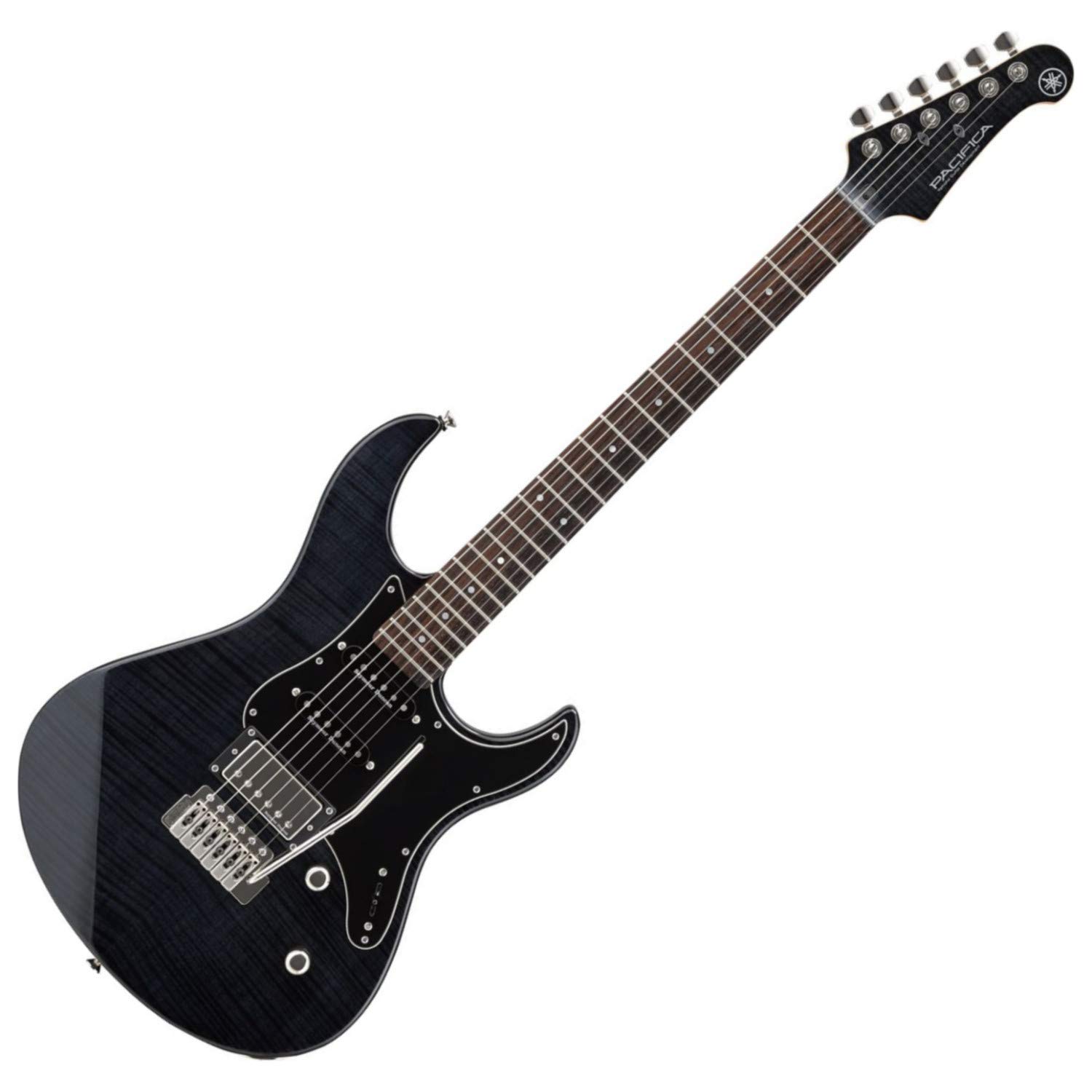
Image: Yamaha PAC612VIIFM Electric Guitar, Translucent Black finish. This image displays the full body of the guitar, highlighting its sleek design and hardware.
4. Setup
4.1. Unpacking
Carefully remove the guitar from its packaging. Retain all packaging materials for future transport or storage. Inspect the instrument for any signs of shipping damage. If damage is found, contact your dealer immediately.
4.2. Tuning
Before playing, ensure your guitar is properly tuned. The Yamaha Player Port app offers a convenient and accurate tuner for your instrument. Standard tuning for a 6-string guitar is E-A-D-G-B-e (from thickest to thinnest string).
Video: Yamaha Player Port App for beginning guitarists. This video demonstrates how to use the Yamaha Player Port application on a mobile device for tuning a guitar and accessing various tips and tricks for playing. It shows the app interface for tuning and finger placement for chords.
4.3. Stringing
When replacing strings, use light to medium gauge electric guitar strings. Thread the new string through the bridge, up to the tuning machine, and wind it securely around the post. Ensure a few wraps around the tuning post for stable tuning. Stretch new strings gently to help them settle and hold tune faster.
4.4. Action Adjustment
The string height (action) can be adjusted at the bridge saddles and by adjusting the neck relief via the truss rod. Incorrect action can lead to fret buzz or difficult playability. For precise adjustments, especially with the truss rod, it is recommended to consult a qualified guitar technician.
5. Operating Instructions
5.1. Controls
- Volume Knob: Controls the overall output level of the guitar.
- Tone Knob (Master Tone): Adjusts the treble response. Pulling this knob up activates the coil-split function for the bridge humbucker, providing a single-coil tone.
- 5-Position Lever Switch: Selects different pickup combinations:
- Position 1 (Bridge): Bridge humbucker (or split single-coil when tone knob is pulled up)
- Position 2: Bridge humbucker (or split single-coil) + Middle single-coil
- Position 3: Middle single-coil
- Position 4: Middle single-coil + Neck single-coil
- Position 5 (Neck): Neck single-coil
5.2. Playing Techniques
Hold the guitar comfortably, ensuring your fretting hand can easily reach all frets and your picking hand can strum or pick the strings. Experiment with the pickup selector and tone controls to discover the wide range of sounds your PAC612VIIFM can produce. The Yamaha Player Port app also provides various tips and tricks for improving your playing.
6. Maintenance
6.1. Cleaning
Regularly wipe down the guitar body, neck, and strings with a soft, lint-free cloth after each use to remove sweat and oils. For the body, a guitar-specific polish can be used sparingly. Avoid harsh chemical cleaners that may damage the finish.
6.2. String Replacement
Strings should be replaced periodically, depending on how often you play and how quickly they corrode. Worn or old strings can negatively impact tone and tuning stability. Replace strings one at a time to maintain neck tension.
6.3. Storage
Store your guitar in a stable environment, away from extreme temperature changes and humidity fluctuations. A guitar case or gig bag provides protection from dust, impacts, and environmental changes. Loosen the strings slightly if storing for an extended period to reduce neck tension.
7. Troubleshooting
7.1. Common Issues
- Poor Tuning Stability: Ensure strings are properly wound around tuning posts. Check if the nut slots are lubricated and not binding the strings. The Wilkinson VS50 bridge is designed for stability, but excessive tremolo use can affect tuning.
- Fret Buzz: This can be caused by low action, uneven frets, or incorrect neck relief. Minor adjustments to bridge saddle height may resolve it. For persistent buzz or neck relief issues, consult a qualified guitar technician.
- No Sound or Weak Output: Verify that your guitar cable is securely connected to both the guitar and amplifier. Check the amplifier's power and volume settings. Ensure the guitar's volume knob is turned up and the pickup selector is in an active position.
8. Specifications
| Item Weight | 11.53 pounds |
| Product Dimensions | 18 x 7 x 45 inches |
| Item Model Number | PAC612VIIFM TBL |
| Back Material | Alder |
| Body Material | Alder |
| Color Name | Translucent Black |
| Fretboard Material | Rosewood |
| Guitar Pickup Configuration | Combination (HSS with coil-split) |
| String Material | Nickel |
| Top Material | Alder Wood |
| Neck Material Type | Maple |
| Number of Strings | 6 |
| Guitar Bridge System | Tremolo (Wilkinson VS50) |
| Size | 612VII |
| Hand Orientation | Right |
9. Warranty and Support
For detailed warranty information, product registration, and technical support, please visit the official Yamaha website or contact your authorized Yamaha dealer. Keep your proof of purchase for warranty claims.


