
1. Introduction
This manual provides essential instructions for the safe and effective installation, operation, and maintenance of the Dieffematic CP30-C25 Safety Edge Sensor. This device is designed to enhance the safety of automated gates and doors by detecting obstacles and preventing mechanical hazards such as impact, crushing, conveying, or shearing. Please read this manual thoroughly before installation and use, and retain it for future reference.
2. Safety Information
Important Safety Instructions:
- Installation must be performed by qualified personnel in accordance with local regulations and safety standards.
- Always disconnect power to the gate or door automation system before performing any installation, maintenance, or repair work.
- Ensure all wiring connections are secure and properly insulated to prevent electrical hazards.
- Regularly inspect the safety edge for any signs of damage, wear, or obstruction.
- Do not modify the safety edge sensor or its components. Unauthorized modifications can compromise safety and void the warranty.
- This device is an auxiliary safety component and should be integrated into a complete safety system for automated gates and doors.
- Operating temperature range: -10°C to 60°C. Do not expose the device to temperatures outside this range.
3. Product Overview
The Dieffematic CP30-C25 is a sensitive safety edge designed for use with swing gates, overhead doors, and sectional doors. It provides reliable protection against mechanical risks by detecting contact with obstacles and triggering a stop or reverse command to the automation system.
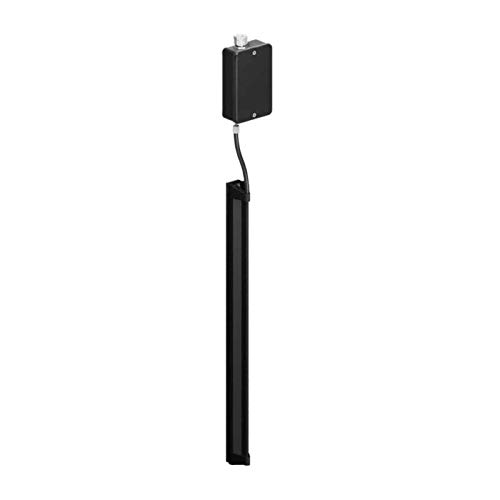
Image showing the Dieffematic CP30-C25 safety edge sensor, a flexible strip designed to detect obstacles. This sensor is typically installed along the closing edge of a gate or door.
Key Features:
- Mechanical Protection: Prevents impact, crushing, and shearing hazards.
- Simple Installation: Designed for quick and intuitive mounting.
- Extreme Resistance: Operates reliably in temperatures from -10°C to 60°C.
- Optimal Dimensions: 2.50 meters in length, adaptable to various gate and door configurations.
4. Setup & Installation
The Dieffematic CP30-C25 safety edge is designed for straightforward installation. However, professional installation is recommended to ensure compliance with safety standards and optimal performance.
General Installation Steps:
- Preparation: Ensure the gate or door is in a safe, stationary position and disconnect all power to the automation system.
- Mounting Location: Identify the critical closing edges of the gate or door where the safety edge needs to be installed to prevent entrapment or collision. The 2.50-meter length should cover the required area.
- Secure Mounting: Attach the safety edge profile securely to the designated surface using appropriate fasteners (not included, consult your installer for specific hardware). Ensure the edge is firmly fixed along its entire length.
- Wiring: Connect the safety edge sensor to the control unit of your gate or door automation system according to the system's wiring diagram. Ensure correct polarity and secure connections.
- Testing: After installation, restore power and perform thorough functional tests. Manually activate the safety edge to ensure it triggers the stop or reverse mechanism of the gate/door. Test at various points along the edge.
- Adjustment: If necessary, adjust the sensitivity or response of the automation system's control unit to ensure the safety edge functions optimally.
Refer to the specific wiring diagrams and instructions provided with your gate/door automation control unit for detailed electrical connections.
5. Operating Instructions
The Dieffematic CP30-C25 safety edge operates passively as a protective device. Once correctly installed and connected to an automation system, it continuously monitors for pressure along its length.
- When the gate or door is in motion and the safety edge comes into contact with an obstacle, the internal mechanism of the edge is activated.
- This activation sends a signal to the connected automation control unit.
- Upon receiving the signal, the control unit is programmed to immediately stop or reverse the movement of the gate or door, preventing potential injury or damage.
- The system will typically remain in a stopped or reversed state until the obstacle is removed and the system is reset (if required by the control unit's programming).
Always ensure the area around the gate or door is clear before operation. Do not intentionally obstruct the safety edge to test its function during normal operation; use controlled testing procedures as outlined in the installation section.
6. Maintenance
Regular maintenance ensures the continued reliability and effectiveness of your Dieffematic CP30-C25 safety edge sensor.
Recommended Maintenance Schedule:
- Monthly Inspection:
- Visually inspect the entire length of the safety edge for any physical damage, cracks, cuts, or signs of wear.
- Check for any debris, dirt, or obstructions that might prevent the edge from functioning correctly. Clean if necessary with a soft, damp cloth.
- Ensure the safety edge is securely attached along its mounting surface.
- Quarterly Function Test:
- With the gate or door in motion, gently apply pressure to different sections of the safety edge.
- Verify that the gate or door immediately stops or reverses its movement as programmed.
- If the safety edge does not respond correctly, refer to the Troubleshooting section or contact qualified service personnel.
- Annual Professional Check:
- It is recommended to have a qualified technician inspect the entire gate/door automation system, including the safety edge, annually.
- This includes checking electrical connections, wiring integrity, and overall system calibration.
Do not use harsh chemicals or abrasive cleaners on the safety edge, as this may damage the material.
7. Troubleshooting
This section provides solutions to common issues you might encounter with your Dieffematic CP30-C25 safety edge sensor. For problems not listed here, or if solutions do not resolve the issue, contact technical support.
| Problem | Possible Cause | Solution |
|---|---|---|
| Safety edge does not respond when pressed. |
|
|
| Gate/door stops or reverses without an apparent obstacle. |
|
|
| Intermittent operation. |
|
|
8. Specifications
| Feature | Detail |
|---|---|
| Brand | Dieffematic |
| Model | CP30-C25 |
| Product Type | Sensitive Safety Edge Sensor |
| Application | Swing Gates, Overhead Doors, Sectional Doors |
| Length | 2.50 meters |
| Operating Temperature | -10°C to 60°C |
| Protection Against | Impact, Crushing, Conveying, Shearing |
9. Warranty Information
Dieffematic products are manufactured to high-quality standards. This product is covered by a standard manufacturer's warranty against defects in materials and workmanship. The specific terms and duration of the warranty may vary by region and purchase date. Please retain your proof of purchase for warranty claims.
For detailed warranty information, please refer to the documentation provided at the time of purchase or contact Dieffematic customer support.
10. Customer Support
If you require assistance with the Dieffematic CP30-C25 Safety Edge Sensor, including technical support, troubleshooting, or warranty inquiries, please contact your authorized Dieffematic dealer or visit the official Dieffematic website for contact information.
When contacting support, please have your product model (CP30-C25) and purchase details readily available.