
Dioche Dioche6rk2f9gqyg
Dioche Motor Speed Controller User Manual
Model: Dioche6rk2f9gqyg
Introduction
This user manual provides essential information for the safe and effective operation of your Dioche Motor Speed Controller. Designed for electric scooters and E-bikes, this controller ensures stable speed and responsive control. Please read this manual thoroughly before installation and use.
Safety Information
- Always disconnect power before performing any installation, maintenance, or troubleshooting.
- Ensure all connections are secure and properly insulated to prevent short circuits.
- Do not expose the controller to excessive moisture or extreme temperatures.
- Verify voltage compatibility (36V/48V) with your motor and battery system before connecting.
- Seek professional assistance if you are unsure about any installation or wiring procedures.
Product Overview
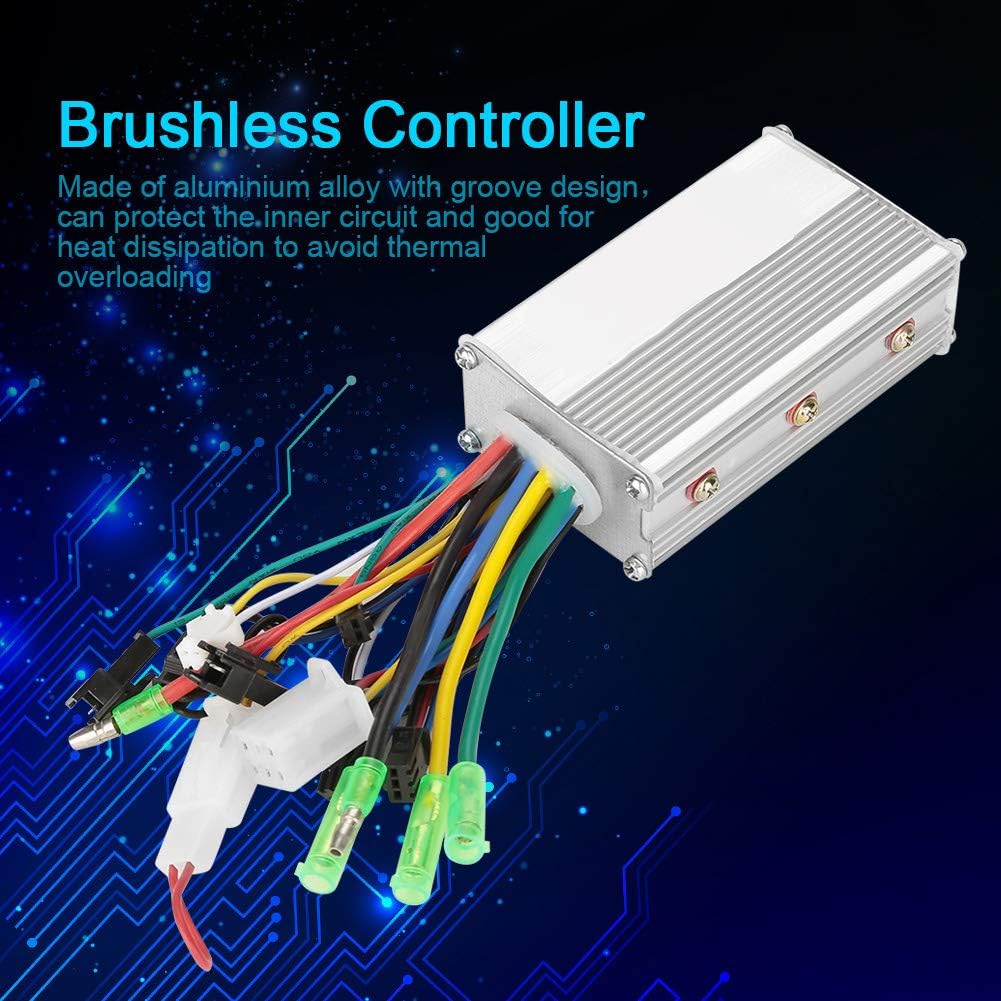
The Dioche Motor Speed Controller is a brushed motor controller designed for various electric vehicles, including electric bicycles, scooters, motorcycles, and mini bikes. Its robust aluminum alloy shell provides excellent heat dissipation, preventing thermal overloading and ensuring reliable performance.


Official Product Video
This video provides a visual overview of the Dioche Motor Speed Controller, including its unboxing and a demonstration of its various components and features.
Specifications
| Feature | Detail |
|---|---|
| Brand | Dioche |
| Model Number | Dioche6rk2f9gqyg |
| Bike Type Compatibility | Electric Bike, Electric Scooter, Motorcycle, Mini Bike |
| Voltage | 36V/48V |
| Wattage | 350W |
| Controller Type | Brushed Motor Controller |
| Shell Material | Aluminum Alloy |
| Item Weight | 0.2 Kilograms |
| Power Source | Rechargeable Battery |
| Special Feature | Heat Dissipation, Sensitive Control, Low Malfunction |
Setup and Installation
The Dioche Motor Speed Controller is designed for easy installation with clearly labeled interfaces. Follow the diagram below for proper connection.

Wiring Instructions:
- Battery Connection: Connect the battery positive electrode (red wire) and battery negative electrode (black wire) to your power source. Ensure correct polarity.
- Motor Connection: Connect the motor cables (A, B, C - typically green, yellow, blue) to the corresponding motor phases.
- Speed Steering Handle (Throttle): Connect the speed steering handle wires to the designated port for throttle control.
- Brake Connections: Connect the brake light and low potential brake wires as per your system's requirements.
- Intelligent Identification: The intelligent identification wires (1 and 2) are crucial for initial setup. Connect them, power on, and allow the motor to run for a few seconds. If the motor runs in reverse, disconnect and reconnect them. Once the motor runs correctly, disconnect these wires.
- Cruise Function (if connected): Connect the cruise function wires if your system supports this feature and you wish to use it.
- Assist Sensor: Connect the assist sensor if your electric bike utilizes pedal assist.
Note: The product has no wires for display. Ensure all connections are firm and insulated.
Operating Instructions
Once properly installed, the Dioche Motor Speed Controller provides sensitive and stable control for your electric vehicle.
- Power On: Turn on your vehicle's main power switch. The controller will initialize.
- Speed Control: Use the speed steering handle (throttle) to control the motor's speed. The controller provides smooth acceleration and deceleration.
- Braking: The controller supports sensitive control of braking. When brakes are applied, the motor will respond accordingly to slow down or stop the vehicle.
- Cruise Function (if connected): If the cruise function is enabled and connected, you may activate it according to your vehicle's specific instructions to maintain a constant speed.
Maintenance
The Dioche Motor Speed Controller is designed for durability and low malfunction. Regular maintenance is minimal but recommended to ensure optimal performance and longevity.
- Cleaning: Periodically clean the exterior of the controller to remove dust and debris. Use a dry, soft cloth. Do not use liquid cleaners directly on the unit.
- Connections: Occasionally inspect all wiring connections to ensure they remain secure and free from corrosion. Loose connections can lead to intermittent operation or damage.
- Heat Dissipation: Ensure the controller's aluminum casing is not obstructed, allowing for proper airflow and heat dissipation. Avoid covering the unit with materials that could trap heat.
- Environmental Protection: While the controller is designed to be robust, avoid prolonged exposure to extreme weather conditions, especially heavy rain or direct sunlight, which can degrade components over time.
Troubleshooting
If you encounter issues with your Dioche Motor Speed Controller, refer to the following common troubleshooting steps:
| Problem | Possible Cause | Solution |
|---|---|---|
| Motor does not respond or has no power. | Loose battery connection; incorrect voltage; faulty power switch; intelligent identification wires still connected after setup. | Check battery connections and ensure they are secure. Verify battery voltage matches controller's 36V/48V requirement. Test the power switch. Ensure intelligent identification wires are disconnected after initial setup. |
| Motor runs in reverse during initial setup. | Intelligent identification wires connected incorrectly. | Disconnect the intelligent identification wires, then reconnect them. Power on and allow the motor to run for a few seconds. Disconnect once correct direction is established. |
| Erratic or inconsistent speed control. | Loose throttle connection; damaged throttle; interference. | Inspect the speed steering handle (throttle) wiring for secure connection. Test the throttle unit if possible. Ensure no strong electromagnetic interference sources are nearby. |
| Controller becomes excessively hot. | Poor ventilation; overloaded motor; internal fault. | Ensure the controller has adequate airflow and is not covered. Verify motor wattage is within the controller's 350W limit. If problem persists, discontinue use and contact support. |
If these steps do not resolve the issue, please contact customer support for further assistance.
Warranty and Support
Warranty: This product is covered by a standard manufacturer's warranty against defects in materials and workmanship. The specific terms and duration of the warranty may vary. Please retain your proof of purchase for warranty claims.
Support: For technical assistance, troubleshooting beyond this manual, or warranty inquiries, please contact Dioche customer support through the retailer where you purchased the product or visit the official Dioche store on Amazon: Dioche Store.
Ask a question about this manual
Ask about setup, troubleshooting, compatibility, parts, safety, or missing instructions. Manuals+ will review the question and use this page’s manual context to help answer it.