
ESSLNB ES3055
ESSLNB 7X50 Marine Binoculars Instruction Manual
Model: ES3055
1. Introduction
This manual provides detailed instructions for the proper use, setup, and maintenance of your ESSLNB 7X50 Marine Binoculars. Please read this manual thoroughly before operating the binoculars to ensure optimal performance and longevity. These binoculars are designed for marine navigation, hunting, bird watching, and other outdoor activities, featuring robust construction and specialized optical components.
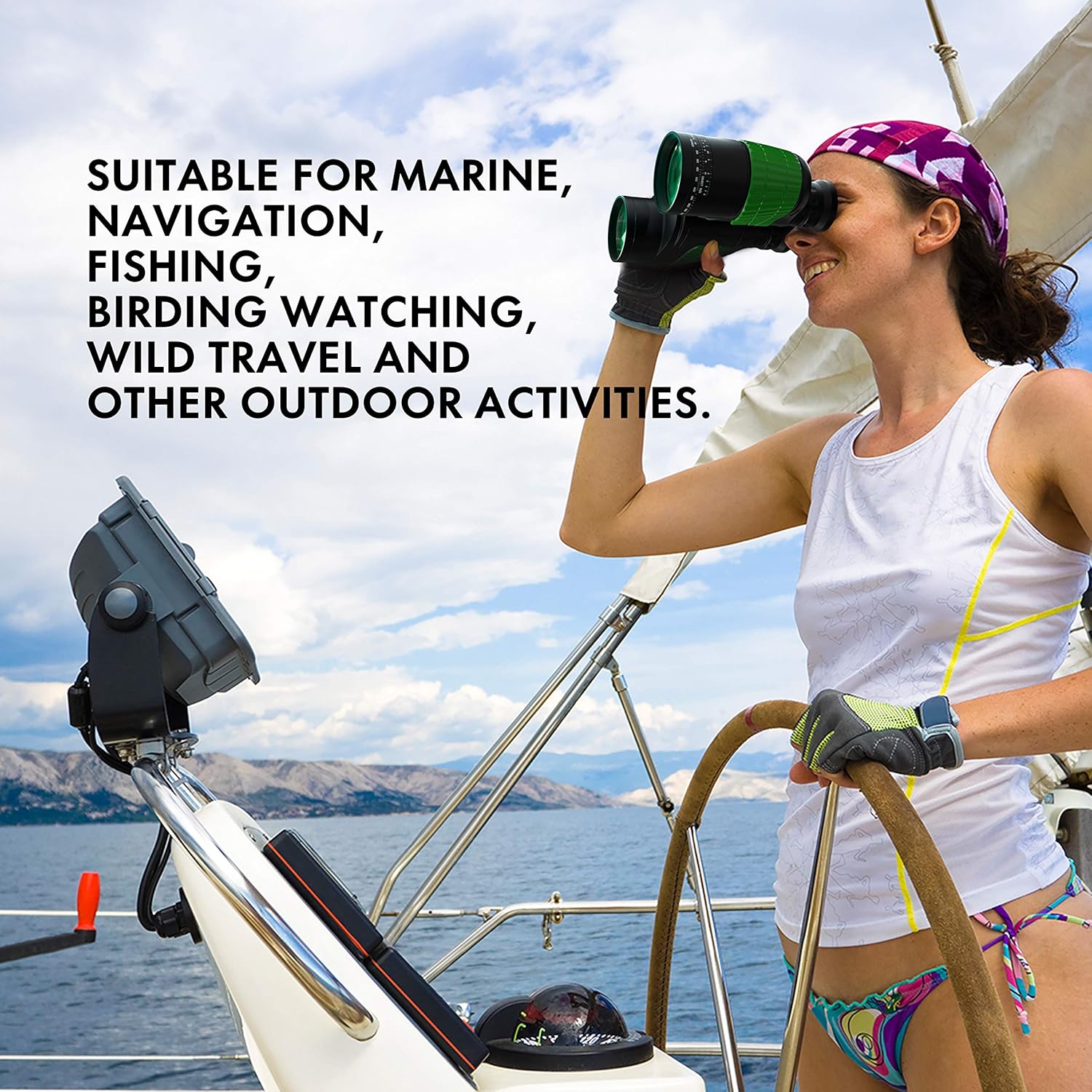
Image 1.1: User observing with ESSLNB 7X50 Marine Binoculars on a boat.
2. Product Features
The ESSLNB 7X50 Marine Binoculars incorporate several advanced features for enhanced viewing and durability:
- 7x50 Floating Marine Binoculars: Equipped with BAK4 Porro Prisms and FMC (Fully Multi-Coated) green film anti-reflection coating. This design reduces reflected light and improves light transmittance, image brightness, and sharpness. The 50mm objective lens and 23mm eyepiece provide a wide, high-definition view, reducing eye fatigue. The 6.8mm exit pupil ensures ideal image brightness, and the field of view is 396 feet at 1000 yards (132 meters at 1000 meters).
- Military Binoculars with Rangefinder and Compass: Features an internal rangefinder scale and a built-in compass for measurement and orientation. A calculator dial on the left eyepiece allows for direct calculation of object distance or size. The rangefinder and compass scales are illuminated via an on/off switch. These binoculars offer improved brightness in low-light conditions such as dawn, dusk, or under artificial light, but are not suitable for total darkness.
- IPX7 Waterproof: Dry nitrogen-filled and O-ring sealed construction provides IPX7 waterproof protection, preventing dust, fogging, and moisture damage in various weather conditions. The binoculars are designed to be submerged under 1 meter of water for 30 minutes and will float if dropped into water.
- Double Focusing System: Two ±5 diopter adjustment rings (one for each eye) allow for individual focus to accommodate different vision requirements. The eyecups can be folded down for comfortable use with eyeglasses. The non-slip, ergonomic rubber design ensures a secure grip, and the heavy-duty rubber armor provides shock resistance.
2.1 Optical System

Image 2.1: Illustration of BAK4 prism providing better light transmission and clearer image compared to BK7.
The binoculars utilize BAK4 Porro Prisms, which are superior to BK7 prisms in light transmission, resulting in brighter and clearer images. The FMC (Fully Multi-Coated) green film on the objective lenses further enhances light gathering and image quality.

Image 2.2: Comparison of light transmission percentages with different lens coatings, highlighting the 99.5% transmission of FMC green-coated lenses.
2.2 Waterproofing
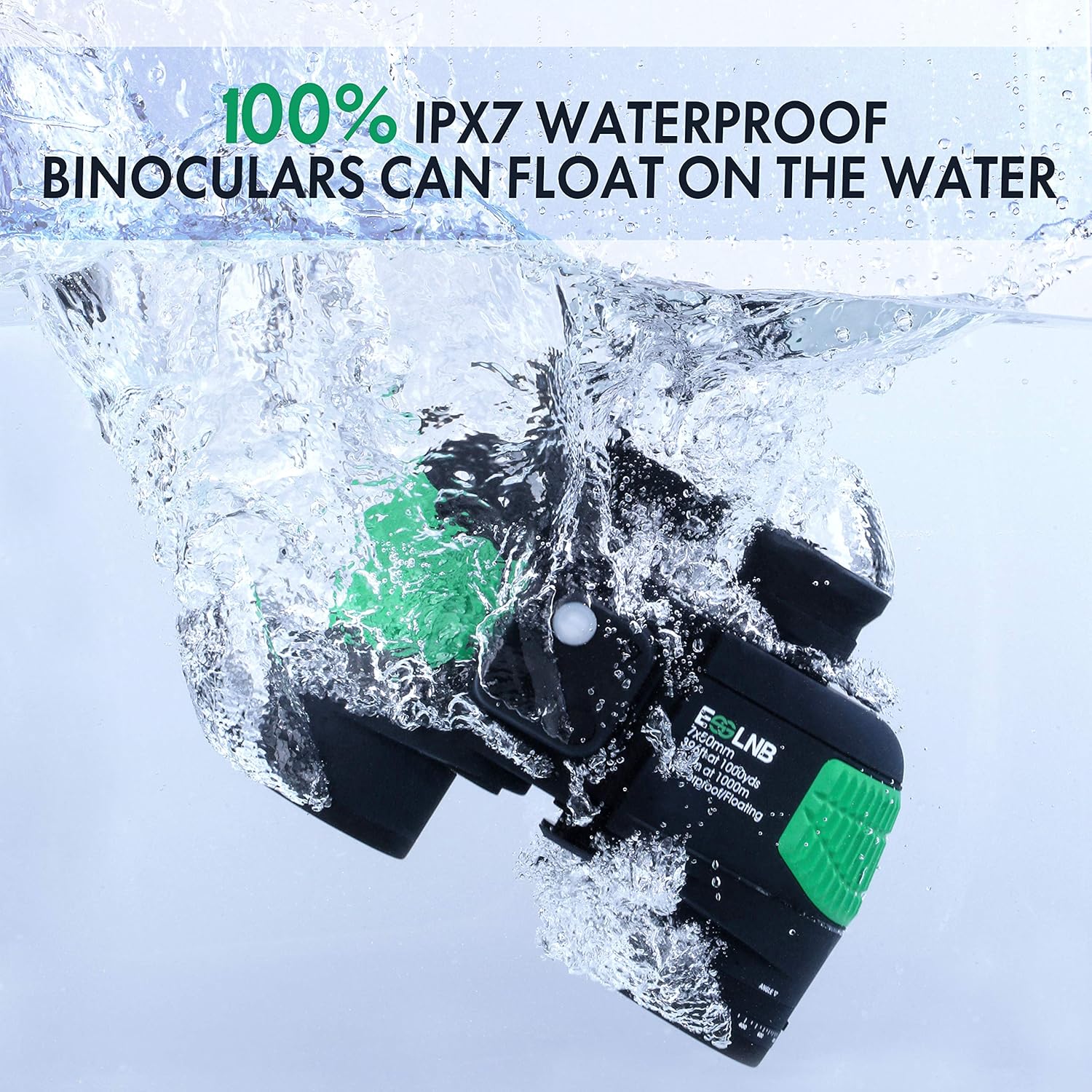
Image 2.3: ESSLNB 7X50 Marine Binoculars floating on water, demonstrating IPX7 waterproof capability.
The IPX7 rating ensures the binoculars are protected against water immersion up to 1 meter for 30 minutes. The nitrogen purging prevents internal fogging due to temperature changes.
3. Package Contents
Upon unpacking, please verify that all the following items are included:
- ESSLNB 7X50 Marine Binoculars
- Carrying Bag
- Floating Neck Strap
- Eyepiece Cap
- Objective Lens Caps (2 pcs)
- Instruction Manual
- Batteries (2 pcs, Lithium Polymer)
- Cleaning Cloth

Image 3.1: All accessories included with the ESSLNB 7X50 Marine Binoculars.
4. Component Identification
Familiarize yourself with the main components of your binoculars:
- Objective Lenses: Front lenses that gather light.
- Eyepieces: Lenses through which you view.
- Diopter Adjustment Rings: Located on each eyepiece, used for individual eye focusing.
- Interpupillary Distance Adjustment: The hinge mechanism that allows you to adjust the distance between the eyepieces.
- Compass: Integrated into the view, provides directional information.
- Rangefinder Scale: Integrated into the view, used for distance estimation.
- Illumination Button: Activates the backlight for the compass and rangefinder scales.
- Strap Lugs: Points for attaching the neck strap.
- Battery Compartment: Houses the batteries for illumination.

Image 4.1: Overview of the ESSLNB 7X50 Marine Binoculars, highlighting the main parts.
5. Setup
5.1 Battery Installation
The binoculars require 2 Lithium Polymer batteries (included) for the illumination of the rangefinder and compass. The battery compartment is typically located near the illumination button. Open the compartment, insert the batteries with the correct polarity, and securely close the cover.
5.2 Attaching the Strap
Thread the floating neck strap through the strap lugs on each side of the binoculars. Ensure the strap is securely fastened to prevent accidental drops, especially when near water.
5.3 Eyecup Adjustment
If you wear eyeglasses, fold down the rubber eyecups to bring your eyes closer to the eyepieces, maximizing the field of view. If you do not wear eyeglasses, keep the eyecups extended for comfortable viewing.
5.4 Interpupillary Distance Adjustment
Hold the binoculars with both hands and look through them. Adjust the distance between the two barrels by moving them closer or further apart until you see a single, clear circular field of view. This ensures proper alignment with your eyes.
6. Operation
6.1 Focusing
The ESSLNB 7X50 binoculars feature an individual focus system. Each eyepiece has a diopter adjustment ring:
- Close your right eye and look through the left eyepiece. Rotate the left diopter adjustment ring until the image is sharp and clear.
- Close your left eye and look through the right eyepiece. Rotate the right diopter adjustment ring until the image is sharp and clear.
- Once set, the binoculars are focused for your individual vision, and no further adjustment is typically needed for objects at varying distances.

Image 6.1: Illustration of the individual focus system with left and right diopter rings.
6.2 Using the Rangefinder Scale
The internal rangefinder scale allows you to estimate the distance to an object if its height is known, or estimate the object's height if its distance is known. The scale is typically marked in 'mils' (milliradians).

Image 6.2: Example of using the rangefinder scale to calculate distance. If a lighthouse is 12m tall and appears as 60 mils on the scale, the distance L(km) = H(m) / W(mils) = 12/60 = 0.2km (200m).
Alternatively, some models may feature a calculator dial on the left eyepiece that allows for direct distance calculation without manual formula application. Align the known height or distance on the dial with the corresponding reading on the internal scale.
6.3 Using the Compass
The built-in compass provides directional orientation. The compass scale is visible within the field of view, usually at the bottom. To illuminate the compass and rangefinder scales in low light conditions, press the illumination button located on the top of the binoculars.

Image 6.3: View through the binoculars demonstrating the illuminated compass scale at night.
7. Maintenance
7.1 Cleaning Lenses
To clean the lenses, first use a soft brush or compressed air to remove any dust or debris. Then, use the provided cleaning cloth or a clean, soft microfiber cloth with a small amount of lens cleaning fluid. Wipe gently in a circular motion. Avoid using abrasive materials or excessive force, as this can scratch the lens coatings.
7.2 General Cleaning
Wipe the body of the binoculars with a soft, damp cloth. For stubborn dirt, a mild soap solution can be used, followed by wiping with a clean, damp cloth. Ensure all moisture is removed before storage.
7.3 Storage
When not in use, store the binoculars in their carrying bag in a cool, dry place. Avoid prolonged exposure to direct sunlight or extreme temperatures. Ensure lens caps are in place to protect the optics from dust and scratches.
7.4 Waterproofing Care
While the binoculars are waterproof, it is recommended to rinse them with fresh water after exposure to saltwater to prevent salt buildup and corrosion. Dry thoroughly before storage.
8. Troubleshooting
- Blurry Image: Ensure both diopter adjustment rings are correctly set for your vision. Check that the interpupillary distance is adjusted to a single circular field of view. Clean lenses if smudges are present.
- Compass/Rangefinder Illumination Not Working: Check if the batteries are correctly installed and have sufficient charge. Replace batteries if necessary.
- Fogging Inside Lenses: If internal fogging occurs, it may indicate a breach in the waterproof seal. Contact customer support for assistance.
- Double Image: Re-adjust the interpupillary distance until a single, clear image is observed.
9. Specifications
| Model Number | ES3055 |
| Magnification | 7x |
| Objective Lens Diameter | 50 mm |
| Eyepiece Diameter | 23 mm |
| Exit Pupil | 6.8 mm |
| Field of View | 396 ft at 1000 yds / 132 m at 1000 m |
| Prism Type | BAK4 Porro Prism |
| Lens Coating | FMC Green Film |
| Waterproof Rating | IPX7 (submersible 1m for 30 min, floats) |
| Special Features | Illuminated Rangefinder, Compass, Fog Proof |
| Product Dimensions | 6.3 x 3.15 x 7.87 inches |
| Item Weight | 3.09 pounds |
| Batteries | 2 Lithium Polymer batteries (included) |
10. Safety Information
- Never look directly at the sun or any bright light source through the binoculars, as this can cause permanent eye damage.
- Keep binoculars out of reach of small children.
- Handle with care to avoid dropping or impacting the binoculars, which could damage internal components.
- Dispose of batteries according to local regulations.
11. Warranty and Support
For warranty information and customer support, please refer to the documentation included with your purchase or visit the official ESSLNB website. Keep your purchase receipt as proof of purchase for warranty claims.
Related documentsES3055


Ask a question about this manual
Ask about setup, troubleshooting, compatibility, parts, safety, or missing instructions. Manuals+ will review the question and use this page’s manual context to help answer it.