
Cisco 7911G
Cisco Unified IP VoIP Phone 7911G User Manual
Model: 7911G
1. Introduction
This manual provides comprehensive instructions for the setup, operation, and maintenance of the Cisco Unified IP VoIP Phone 7911G. Designed for low to moderate telephone traffic environments, this phone offers intuitive features and reliable communication.
Key features include:
- Graphical monochrome display (192 x 64 pixels) for intuitive access to features and XML applications.
- Four dynamic soft keys for guided navigation through core business functions.
- Support for IEEE 802.3af Power over Ethernet (PoE) and Cisco Inline Power.
- Integrated comfort-noise generation and voice-activity-detection (VAD) programming.

Figure 1: Cisco Unified IP VoIP Phone 7911G (Angled View)
This image shows the Cisco Unified IP VoIP Phone 7911G from an angled perspective, highlighting its handset, keypad, and monochrome display. The phone features a silver and black color scheme.
2. Setup
Follow these steps to properly set up your Cisco Unified IP VoIP Phone 7911G.
2.1 Unpacking the Phone
Carefully remove all components from the packaging. Verify that all items are present:
- Cisco Unified IP VoIP Phone 7911G unit
- Handset
- Handset cord
- Ethernet cable (may be included or required separately)
- Optional: Power adapter (if not using Power over Ethernet)

Figure 2: Shipping and Handling Symbols
This image displays various shipping and handling symbols, including "UP", "FRAGILE", "WATER PROOF", "STACKING LAYER LIMIT", "PROHIBIT ROLLING", and "LIMIT DROP HEIGHT". These symbols indicate proper handling during transport and unpacking.
2.2 Connecting the Phone
- Connect the Handset: Plug one end of the coiled handset cord into the handset and the other end into the handset port on the phone base.
- Connect to Network (PoE): If using Power over Ethernet (PoE), connect one end of an Ethernet cable to the network port on the back of the phone and the other end to a PoE-enabled network switch or router. The phone will power on automatically.
- Connect to Network (Non-PoE with Power Adapter): If not using PoE, connect one end of an Ethernet cable to the network port on the back of the phone and the other end to a network switch or router. Then, connect the optional power adapter to the power port on the phone and plug it into a power outlet.

Figure 3: Ethernet Disconnected Message
This image shows the phone's display screen with the message "Ethernet Disconnected", indicating a network connectivity issue. This screen is typically seen during initial setup or troubleshooting network problems.
Once connected, the phone will attempt to connect to your Cisco Unified Communications Manager system. The display will show boot-up progress and then indicate readiness for use.
3. Operating Instructions
This section details the basic operation of your Cisco Unified IP VoIP Phone 7911G.
3.1 Phone Layout and Buttons

Figure 4: Front View of Cisco IP Phone 7911G
This image provides a clear front view of the Cisco IP Phone 7911G, showcasing its display, keypad, navigation buttons, and soft keys. The display shows system information during boot-up.
- Display: Shows call information, menus, and XML applications.
- Soft Keys: Four buttons directly below the display. Their function changes based on the context shown on the display.
- Navigation Cluster: Up/Down arrows for scrolling through menus and options.
- Keypad: Standard 12-button dial pad for entering numbers and text.
- Hold Button: Puts an active call on hold. The button lights up when a call is held.
- Volume Control: Adjusts handset, headset, or speaker volume.
3.2 Making and Receiving Calls
- To Make a Call:
- Pick up the handset or press the Speaker button.
- Dial the desired number using the keypad.
- Press the Dial soft key (if available) or wait for the call to connect.
- To Receive a Call:
- When the phone rings, pick up the handset or press the Answer soft key.
- To End a Call:
- Hang up the handset or press the End Call soft key.

Figure 5: Display with Call Options
This image shows the phone's display screen presenting various call options, such as "Redial", "Divert Call", "Msgs", and "More". This interface guides users through available actions during a call or when the phone is idle.
4. Maintenance
Proper care and maintenance will extend the life of your Cisco Unified IP VoIP Phone 7911G.
- Cleaning: Use a soft, dry cloth to clean the phone's exterior. For stubborn marks, slightly dampen the cloth with water. Do not use harsh chemicals or abrasive cleaners.
- Environment: Keep the phone in a dry environment, away from direct sunlight, excessive heat, or moisture.
- Handling: Avoid dropping the phone or subjecting it to strong impacts.
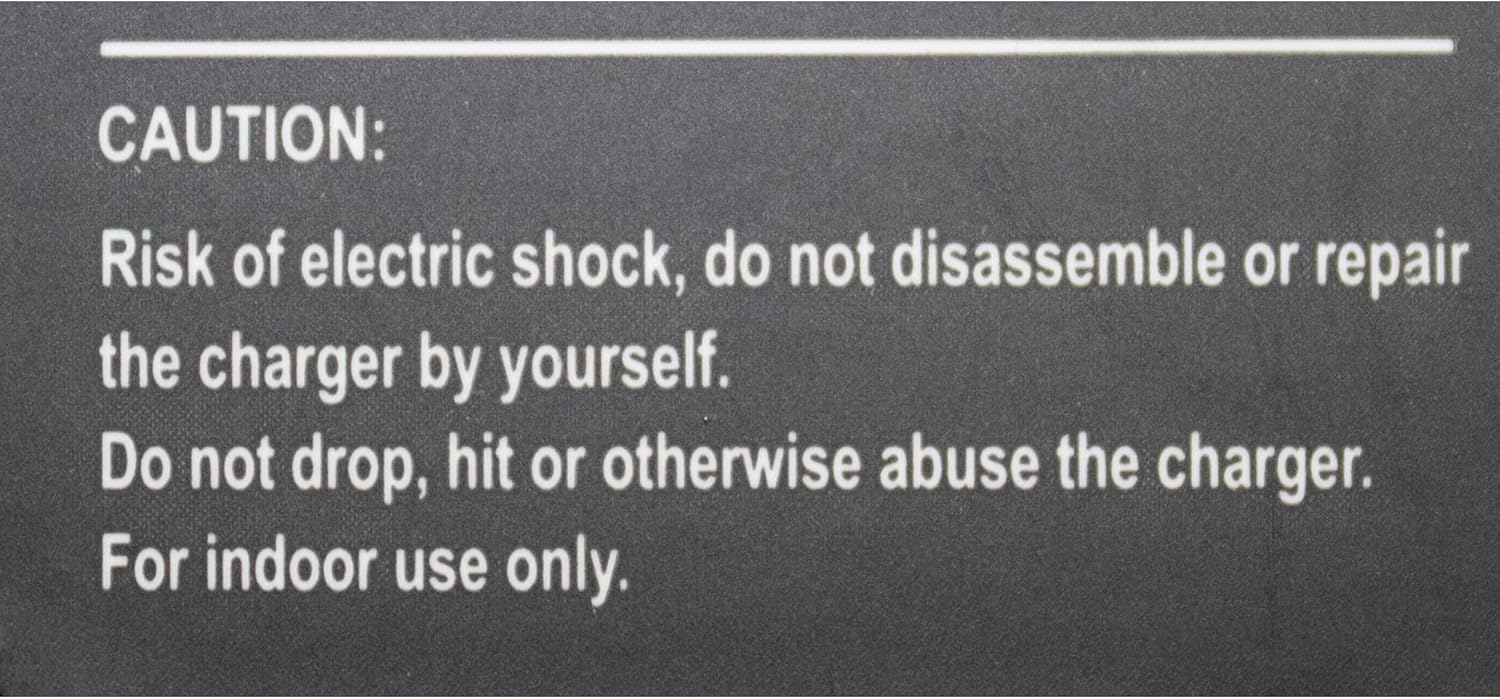
Figure 6: Electric Shock Caution Label
This image displays a caution label with text: "CAUTION: Risk of electric shock, do not disassemble or repair the charger by yourself. Do not drop, hit or otherwise abuse the charger. For indoor use only." This emphasizes safety precautions for handling the device and its components.

Figure 7: "DO NOT COVER THIS HOLE" Warning
This image shows a warning label, possibly from the phone or an accessory, stating "DO NOT COVER THIS HOLE". This is crucial for maintaining proper ventilation and preventing overheating of the device.
5. Troubleshooting
This section provides solutions to common issues you might encounter with your phone.
| Problem | Possible Cause | Solution |
|---|---|---|
| Phone does not power on. | No power from PoE switch or power adapter. | Ensure Ethernet cable is securely connected to a PoE-enabled port, or verify power adapter is correctly plugged in and receiving power. |
| "Ethernet Disconnected" message on display. | Network cable is loose or disconnected; network issue. | Check Ethernet cable connection at both the phone and the network switch/router. Verify network connectivity. |
| Cannot make or receive calls. | Phone not registered with Cisco Unified Communications Manager; network issue. | Ensure network connection is stable. Contact your system administrator to verify phone registration status. |
| No dial tone. | Phone not registered; handset or speaker issue. | Verify phone registration. Check handset cord connection. Try using speakerphone mode. |
6. Specifications
Detailed technical specifications for the Cisco Unified IP VoIP Phone 7911G.
- Product Dimensions: 6 x 8 x 7 inches
- Item Weight: 2 pounds
- Display: Graphical monochrome, 192 x 64 pixels
- Power Source: Corded Electric (supports IEEE 802.3af Power over Ethernet and Cisco Inline Power)
- Material: Plastic
- Color: Blue (Note: Product images show silver/black, but specification lists blue. Refer to actual product.)
- Telephone Type: Corded
- Dialer Type: Single Keypad
- Answering System Type: Digital
- Manufacturer: CISCO SYSTEMS - ENTERPRISE
- ASIN: B07GSJ32BQ
- First Available Date: August 23, 2018
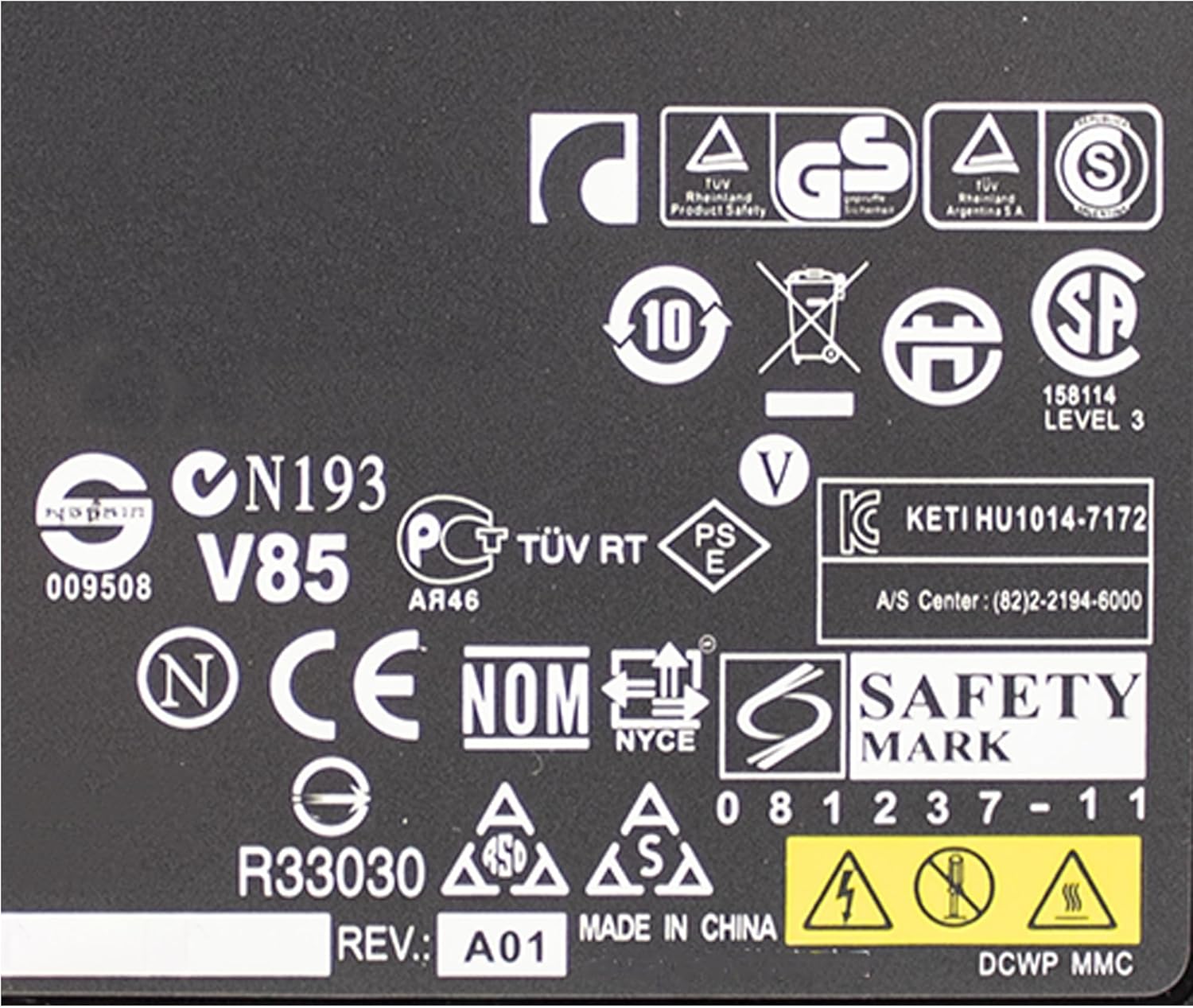
Figure 8: Product Certification Labels
This image displays various certification and compliance labels, including TÜV, GS, CSA, CE, FCC, and others, indicating the product meets various international safety and quality standards.
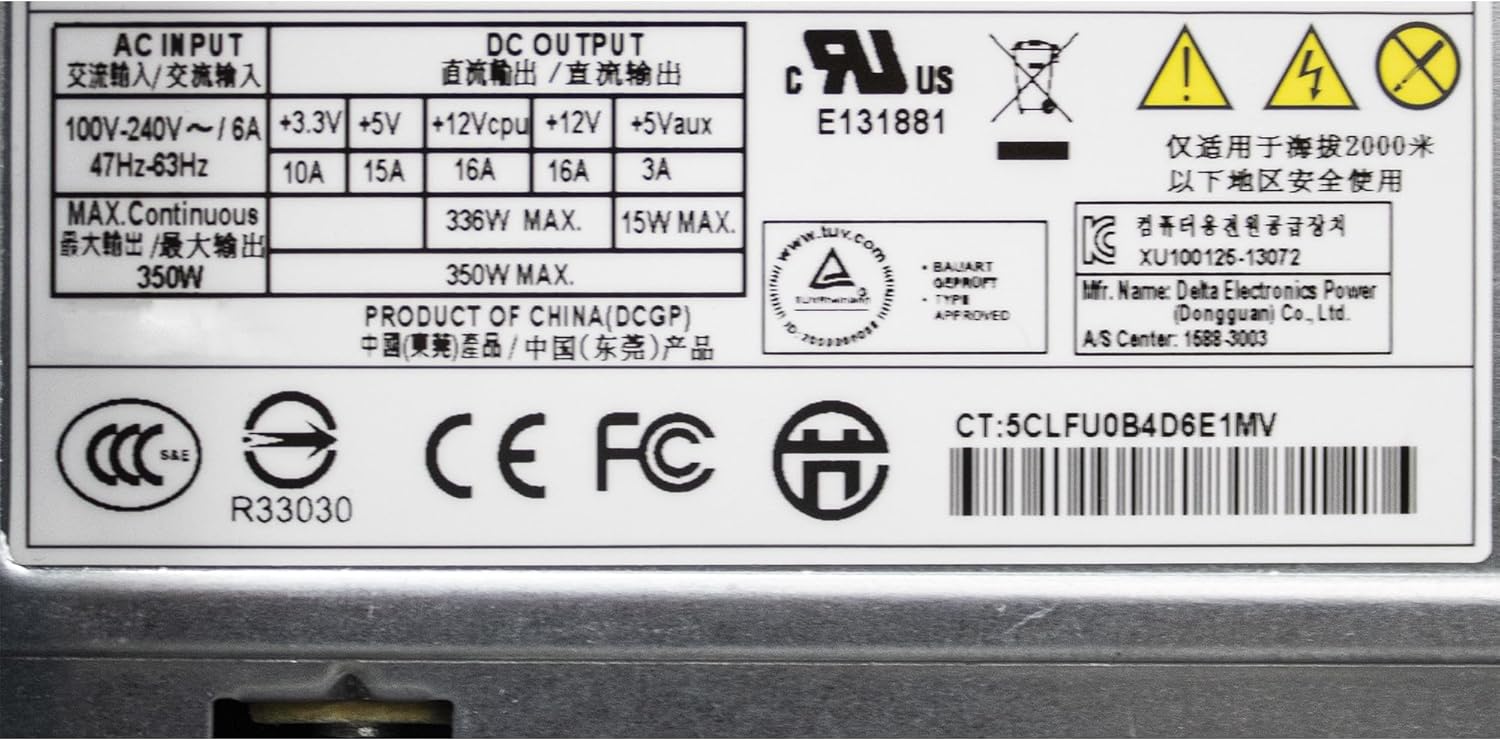
Figure 9: Power Supply Specifications
This image shows a label detailing the power supply specifications, including AC input (100-240V~), DC output voltages (+3.3V, +5V, +12V, +5Vaux), and maximum wattage. It also includes various regulatory marks.
7. Warranty and Support
7.1 Warranty Information
This Cisco Unified IP VoIP Phone 7911G is a Certified Refurbished product. It is tested and certified to look and work like new. The refurbishing process includes functionality testing, basic cleaning, inspection, and repackaging. The product ships with a minimum 90-day warranty.
For specific warranty claims or details beyond the initial 90-day period, please refer to the terms provided by the seller at the time of purchase or contact the seller directly.
7.2 Customer Support
For technical assistance, troubleshooting beyond this manual, or warranty inquiries, please contact the seller from whom you purchased this Certified Refurbished product. You can typically find seller contact information through your purchase history on the platform where the item was acquired.
For general information about Cisco products, you may visit the official Cisco website, though direct support for refurbished units is typically handled by the refurbisher/seller.
Related documents7911G


Ask a question about this manual
Ask about setup, troubleshooting, compatibility, parts, safety, or missing instructions. Manuals+ will review the question and use this page’s manual context to help answer it.