
1. Introduction
This manual provides instructions for the Walfront Stainless Steel Pressure Transducer, Model 700890169220. This device is designed for precise pressure measurement in various industrial applications. It features a G1/4" thread, 0.5-4.5V analog output, and operates with a 5V input. Constructed from stainless steel, it offers durability and reliable performance.
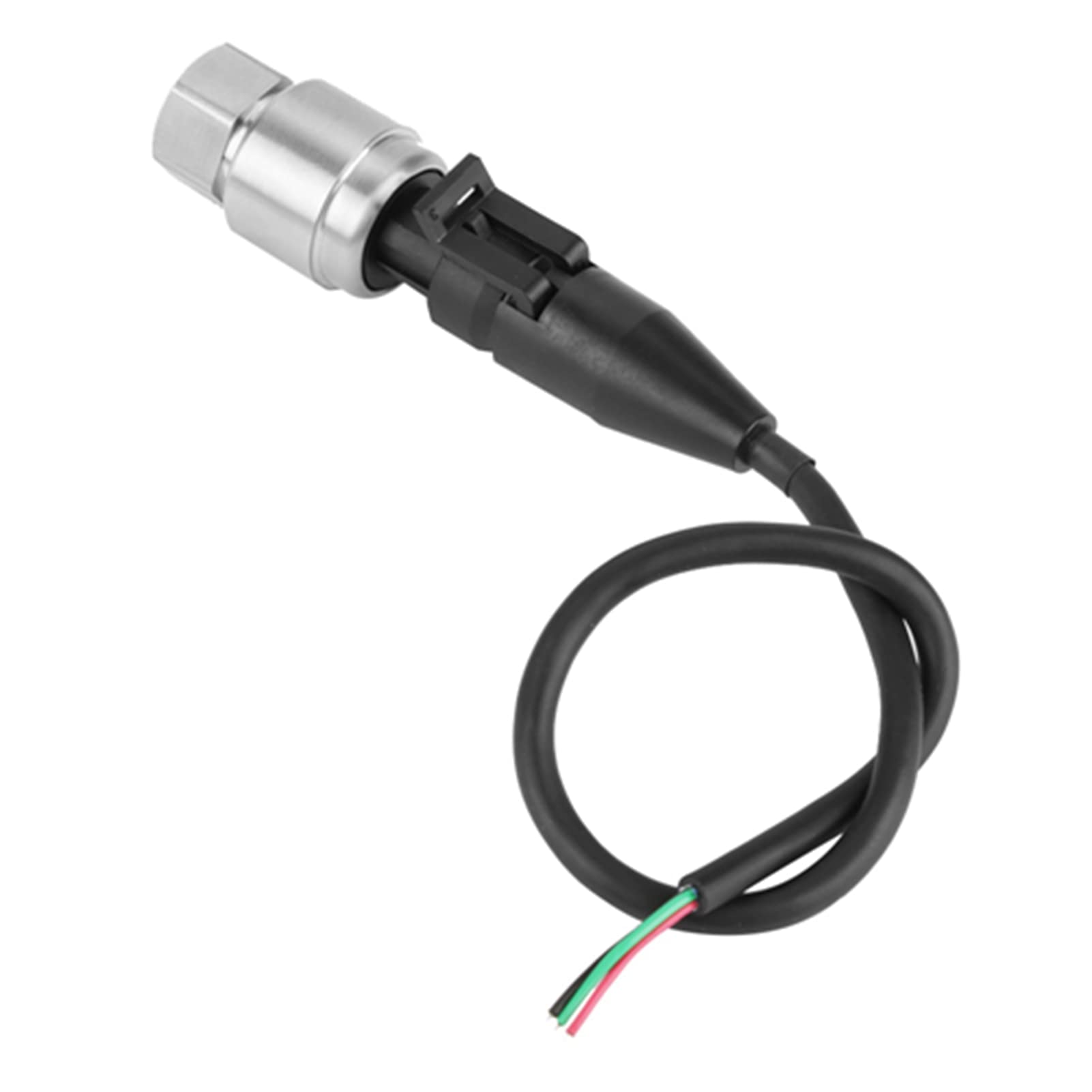
Figure 1: Walfront Stainless Steel Pressure Transducer (Model 700890169220).
2. Setup
Proper installation and wiring are crucial for accurate and safe operation of the pressure transducer. Follow these steps carefully:
2.1 Mechanical Installation
- Ensure the system where the transducer will be installed is depressurized and isolated.
- Identify the G1/4" threaded port for installation.
- Apply appropriate thread sealant (e.g., PTFE tape) to the transducer's G1/4" thread to ensure a leak-free seal.
- Carefully thread the transducer into the designated port. Do not overtighten, as this can damage the transducer or the port. Tighten only until a secure, leak-free connection is achieved.
- Verify that the transducer is securely mounted and free from physical stress.

Figure 2: Close-up view of the G1/4" threaded connection.
2.2 Electrical Connection
The transducer requires a 5V input and provides a 0.5-4.5V analog output. Refer to the wiring diagram and table below for correct connections.
Video 1: This video demonstrates the connection instructions and highlights key features like IP65 waterproofing and wide application areas for a similar pressure sensor.
| Pin | Function | Wire Color |
|---|---|---|
| 1 | GND (Ground) | Black |
| 2 | Supply+ (5V Input) | Red |
| 3 | Output (0.5-4.5V) | Green |
Connect the wires according to the table to your data acquisition system or controller. Ensure all connections are secure and insulated to prevent short circuits.
3. Operation
Once properly installed and wired, the pressure transducer is ready for operation. It converts measured pressure into an analog voltage signal.
- Power On: Apply a stable 5V DC power supply to the transducer's Supply+ (Red) and GND (Black) terminals.
- Pressure Measurement: The transducer will output a voltage between 0.5V and 4.5V corresponding to the measured pressure within its 0-1000 PSI range.
- Signal Interpretation: The output voltage can be read by a compatible data acquisition system, microcontroller, or PLC. A linear relationship exists between pressure and output voltage.
- Applications: This transducer is suitable for a wide range of applications including industrial automation, fluid mechanics research, process control in chemical plants, hydraulic system monitoring, and fuel system monitoring in vehicles.

Figure 3: Pressure transducer ready for connection.
4. Maintenance
The Walfront pressure transducer is designed for long-term reliability with minimal maintenance. However, periodic checks can ensure optimal performance.
- Cleaning: Keep the exterior of the transducer clean. For the G1/4" port, ensure it remains free of debris or blockages that could affect pressure readings.
- Connection Integrity: Periodically inspect electrical connections for corrosion or looseness. Ensure the wiring insulation is intact.
- Environmental Protection: The transducer has an IP65 protection class, making it resistant to dust and low-pressure water jets. Avoid prolonged submersion or exposure to high-pressure water.
- Physical Inspection: Check for any signs of physical damage to the stainless steel body or the connector.
- Calibration: While designed for stable performance, if precise accuracy is critical over extended periods, consider periodic calibration checks against a known standard.

Figure 4: Side view of the pressure transducer, showing its robust construction.
5. Troubleshooting
If the pressure transducer is not functioning as expected, consider the following common issues:
- No Output or Incorrect Reading:
- Verify power supply: Ensure a stable 5V DC is applied to the correct terminals (Red for Supply+, Black for GND).
- Check wiring: Confirm all connections are secure and match the wiring diagram (Table 1).
- Inspect for blockages: Ensure the pressure port is not clogged.
- Check for leaks: Verify the mechanical connection is leak-free.
- Confirm measurement range: Ensure the measured pressure is within the 0-1000 PSI range.
- Unstable Output:
- Check for electrical noise: Ensure proper shielding for signal wires, especially in environments with high electromagnetic interference.
- Verify power supply stability: Unstable input voltage can lead to unstable output.
- Inspect for vibrations: Excessive vibration can affect sensor readings.
- Physical Damage: If the transducer shows signs of physical damage, it may need replacement.
If issues persist after checking these points, contact customer support for further assistance.
6. Specifications
The following table details the technical specifications for the Walfront Stainless Steel Pressure Transducer (Model 700890169220):
| Feature | Detail |
|---|---|
| Material | 316 Stainless Steel |
| Accuracy | 0.5%FS |
| Output | Analog sensor (0.5-4.5V) |
| Input Voltage | 5V |
| Thread | G1/4" |
| Measuring Range | 0-1000 PSI |
| Diameter | Approx. 24mm / 0.98inch |
| Weight | Approx. 78g (0.06 Kilograms) |
| Protection Class | IP65 |
| Cycle Life | 500,000 times |
| Operating Temperature | -40 to 105°C |
| Compensation Temperature | -20 to 80°C |
| Response Time | ≤3ms |
| Overload Pressure | 150%FS |
7. Warranty & Support
Information regarding specific warranty terms and customer support contact details for the Walfront Stainless Steel Pressure Transducer is not available in the provided product data. Please refer to the product packaging or the seller's website for the most current warranty information and support options.
For general inquiries or technical assistance, you may attempt to contact the manufacturer, Walfront, directly.