
Projecta IC3500
Projecta 12V 35A Automatic 7 Stage Battery Charger IC3500 User Manual
Model: IC3500 | Brand: Projecta
1. Introduction and Overview
The Projecta IC3500 is an advanced 12V 35A automatic 7-stage battery charger designed for a wide range of battery types, including Wet, Calcium, AGM, and Gel. Its sophisticated charging algorithm ensures optimal battery health, extended life, and superior performance, making it ideal for high-power demands in applications such as caravans, motor homes, automotive, and marine vehicles.
This manual provides essential information for the safe and effective operation, setup, and maintenance of your Projecta IC3500 battery charger.

Figure 1: Projecta IC3500 Battery Charger with power cord and battery clamps.
2. Key Features
- 7-Stage Automatic Charging: Utilizes a comprehensive charging process to optimize battery performance and longevity.
- Multi-Chemistry Compatibility: Supports Wet, Calcium, AGM, and Gel battery types. The charging profile can be set to suit the specific battery chemistry.
- Adjustable Output: Output current can be adjusted (2A, 8A, 16A, 35A) to suit different battery sizes. Includes a 1.8m temperature compensation probe for precise charging based on ambient temperature.
- Power Supply Mode: Functions as a stable 12V power supply, useful for retaining vehicle computer settings during battery changes or for running 12V appliances.
- Wired Remote Control: Features a remote control with a 4.5m lead, allowing the charger to be mounted out of sight while maintaining full control and monitoring.
- Durable and Safe Design: Constructed for shock and dust resistance. Incorporates spark-free and polarity-protected connections for enhanced safety.
- LCD Screen with LED Indicators: Provides clear feedback on charging status.

Figure 2: Close-up view of the charger's LCD display, showing current output and battery type selection.
3. Setup and Installation
3.1 Unpacking and Inspection
Carefully remove the charger from its packaging. Inspect the unit for any signs of damage during transit. Ensure all components, including the charger unit, battery clamps, power cord, temperature compensation probe, and remote control, are present.
3.2 Safety Precautions
- Always operate the charger in a well-ventilated area.
- Ensure the charger is disconnected from the AC power outlet before making or breaking connections to the battery.
- Wear appropriate personal protective equipment, including eye protection and gloves, when working with batteries.
- Avoid sparks or flames near batteries, as they can produce explosive gases.
- Do not charge frozen batteries.
- Keep out of reach of children.
3.3 Connecting the Charger
- Ensure the charger is unplugged from the mains power.
- Connect the red positive (+) clamp to the positive (+) terminal of the battery.
- Connect the black negative (-) clamp to the negative (-) terminal of the battery. For vehicles, connect the black clamp to the vehicle chassis away from the battery and fuel line if the battery is still in the vehicle.
- Plug the charger's AC power cord into a standard 240VAC, 50Hz power outlet.
- If using the temperature compensation probe, connect it to the designated port on the charger and place the probe securely on the battery surface.
- If using the wired remote control, connect it to the appropriate port on the charger.
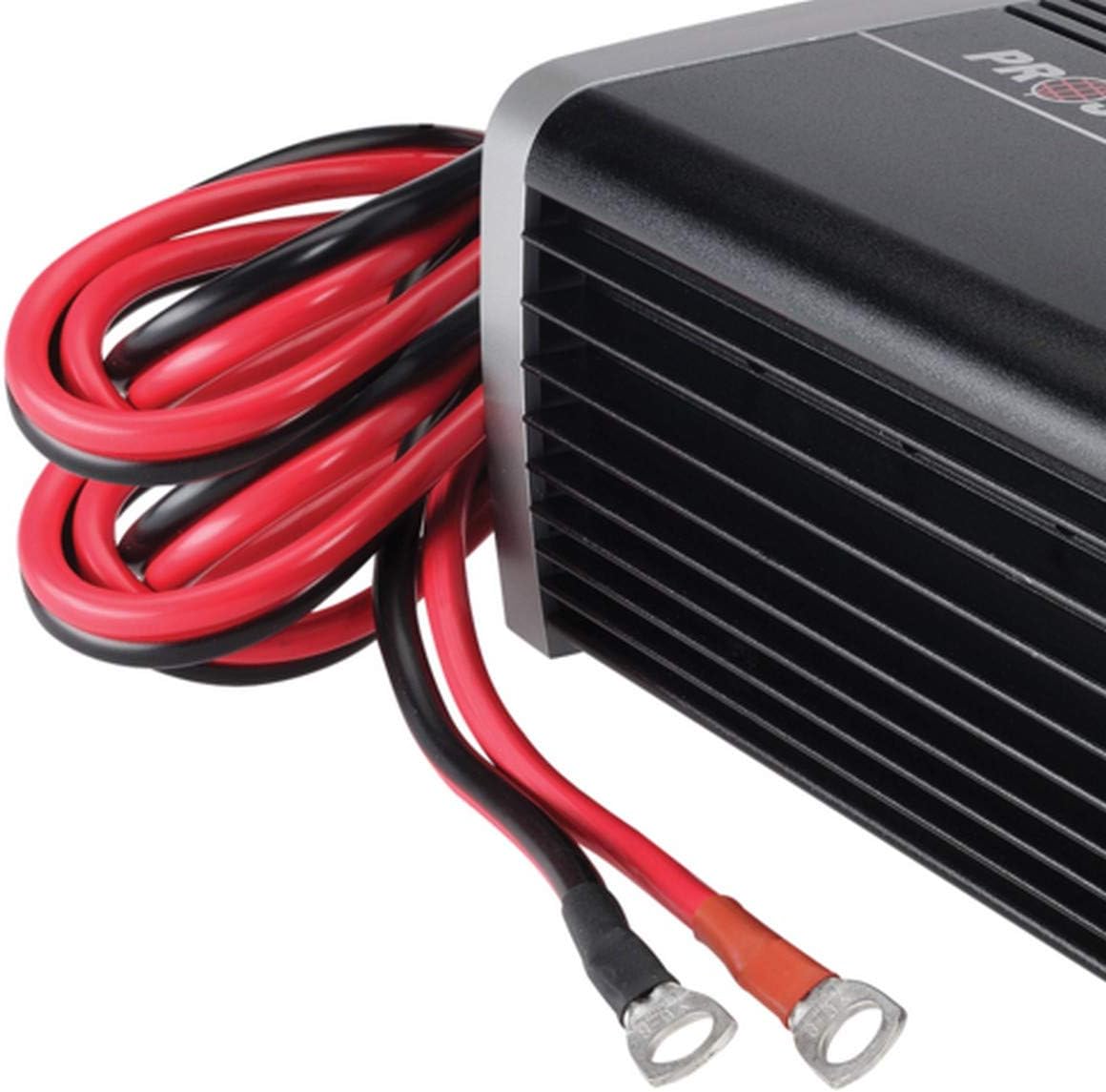
Figure 3: Battery connection cables of the Projecta IC3500 charger.
4. Operating Instructions
4.1 Powering On and Initial Display
Once connected to the battery and mains power, the charger will power on. The LCD screen will illuminate, and the "POWER ON" LED (Red Light) will be on.

Figure 4: Front panel with LCD display and status indicators.
4.2 Selecting Battery Type and Charge Rate
Use the control buttons on the front panel or remote control to select the appropriate battery chemistry (Wet, Calcium, AGM, or Gel) and the desired charge rate (2A, 8A, 16A, 35A). Refer to your battery's specifications for the recommended charging parameters.
- Charge Voltage Settings:
- GEL: 14.1V
- AGM: 14.4V
- WET: 14.7V
- CALCIUM: 16.0V
4.3 7-Stage Charging Process
The charger automatically progresses through the following stages:
- Desulphation: Recovers sulphated batteries.
- Soft Start: Gently introduces current to the battery.
- Bulk Charge: Charges the battery to approximately 80% capacity. The "BULK CHARGE" LED (Blue Light) will be on.
- Absorption: Charges the battery to 100% capacity at a decreasing current. The "ABSORPTION" LED will be on.
- Analysis: Tests the battery to ensure it holds a charge.
- Recondition: Applies a controlled overcharge to recondition deeply discharged or neglected batteries (if selected).
- Float/Maintenance: Maintains the battery at full charge. The "FULLY CHARGED" LED (Green Light) will be on.
The charger will automatically switch to the next stage as needed. The "Blue Light On" indicates charging is in progress, and "Green Light On" indicates fully charged and maintaining.
4.4 Power Supply Mode
To activate Power Supply Mode, refer to the specific instructions in the full manual. This mode provides a stable 12V output, preventing loss of vehicle computer settings when the main battery is disconnected or for powering 12V accessories.

Figure 5: The charger is compatible with various battery types, including automotive, marine, and deep cycle batteries.

Figure 6: Application guide illustrating compatibility with Automotive, Marine, and Deep Cycle batteries (AGM & Gel).
5. Maintenance
- Cleaning: Disconnect the charger from all power sources and batteries before cleaning. Wipe the casing with a soft, dry cloth. Do not use harsh chemicals or abrasive cleaners.
- Cable Inspection: Regularly inspect the power cord and battery cables for any signs of damage, fraying, or corrosion. Replace damaged cables immediately.
- Storage: When not in use, store the charger in a cool, dry place, away from direct sunlight and moisture. Ensure cables are neatly coiled to prevent damage.
- Battery Terminals: Keep battery terminals clean and free of corrosion for optimal connection.
6. Troubleshooting
| Problem | Possible Cause | Solution |
|---|---|---|
| Charger not powering on (No Red Light) | No AC power; faulty power cord; internal fault. | Check AC outlet and power cord connection. Ensure power switch is ON. If problem persists, contact support. |
| Charger not charging (No Blue Light) | Incorrect battery connection (reverse polarity); battery voltage too low; battery faulty. | Verify correct positive/negative connections. Ensure battery voltage is above 2.5V. Test battery condition. |
| Charger displays error code | Specific fault detected (e.g., short circuit, over-temperature). | Refer to the full manual for specific error code meanings. Disconnect and reconnect the charger. Ensure proper ventilation. |
| Battery not fully charging | Incorrect battery type selected; battery capacity too large for selected charge rate; battery sulphation; faulty battery. | Ensure correct battery type is selected. Increase charge rate if appropriate. Consider using recondition mode if available and suitable for battery type. Test battery health. |
7. Specifications
| Attribute | Detail |
|---|---|
| Type | 7 Stage Automatic |
| Input | 240VAC, 50Hz, 570W |
| Output Voltage | 12V |
| Output Current | 2A, 8A, 16A, 35A (Adjustable) |
| Minimum Start Voltage | 2.5V |
| Back Drain | Charger 1mA, With Remote 2mA |
| Approvals | Electrical Safety, EMC |
| Charge Voltage (GEL) | 14.1V |
| Charge Voltage (AGM) | 14.4V |
| Charge Voltage (WET) | 14.7V |
| Charge Voltage (CALCIUM) | 16.0V |
| Product Dimensions | 38 x 9.8 x 30 cm |
| Item Weight | 3.42 kg |
| Model Number | IC3500 |

Figure 7: Dimensional drawing of the Projecta IC3500 charger.
8. Warranty and Support
For warranty information and technical support, please refer to the warranty card included with your product or visit the official Projecta website. Keep your proof of purchase for any warranty claims.
For further assistance, you may contact Projecta customer service through their official channels.
Related documentsIC3500


Ask a question about this manual
Ask about setup, troubleshooting, compatibility, parts, safety, or missing instructions. Manuals+ will review the question and use this page’s manual context to help answer it.