
1. Important Safety Information
Please read and understand all safety warnings and instructions before operating this pump. Failure to follow these instructions may result in electric shock, fire, serious injury, or property damage. Keep this manual for future reference.
- Electrical Safety: Ensure the pump is connected to a properly grounded 110V power outlet. Do not operate the pump with a damaged power cord or plug. Keep all electrical connections dry.
- Water Safety: This pump is designed for clean water transfer only. Do not use it for flammable liquids, corrosive chemicals, or water containing large debris.
- Personal Safety: Always wear appropriate personal protective equipment, such as safety glasses, when operating the pump. Keep hands, feet, and clothing away from moving parts.
- Overload Protection: The pump features temperature sensing automatic overload stop to prevent damage from overheating.
- Children and Pets: Keep children and pets away from the pump during operation.
2. Product Overview
The BACOENG 1.5HP Water Transfer Pump (Model P0100) is a portable, stainless steel electric centrifugal pump designed for efficient water transfer. It is suitable for various applications including garden irrigation, boosting water pressure for sprinklers, and transferring water from tanks, pools, rain barrels, and shallow wells.

Figure 2.1: BACOENG 1.5HP Water Transfer Pump in use for irrigation.
Key Features:
- Powerful Performance: 1.5HP/1100W motor with a maximum flow rate of 1200 GPH (Gallons Per Hour).
- High Pressure: Achieves up to 73 PSI, with a maximum head of 165 feet and a maximum suction height of 25 feet.
- Durable Construction: Stainless steel pump housing for longevity and corrosion resistance.
- Portability: Equipped with a convenient carry handle and a waterproof on/off switch.
- Safety Features: Includes temperature sensing automatic overload stop.

Figure 2.2: Detailed view of pump components.
3. Setup
Proper setup is crucial for optimal performance and safety. Follow these steps carefully:
- Unpacking: Remove the pump and all accessories from the packaging. Inspect for any damage.
- Handle Installation: Attach the portable handle to the pump using the provided hardware.
- Positioning: Place the pump on a stable, level surface near the water source and the area where water will be transferred. Ensure adequate ventilation.
- Inlet Connection: Connect a suction hose to the pump's inlet (1" NPT). For drawing water from a source like a well or tank, use a reinforced hose that prevents collapse under vacuum and install a foot valve with a strainer at the end of the suction hose to prevent debris from entering the pump and to maintain prime.
- Outlet Connection: Connect a discharge hose to the pump's outlet (1" NPT). Use the provided 3/4-inch garden hose adapters if connecting to standard garden hoses. Ensure all connections are tight and sealed with Teflon tape to prevent leaks.
- Priming the Pump: Before initial use, the pump chamber must be filled with water. Remove the filling plug and pour water into the chamber until it is full. Replace the filling plug securely. This step is essential for the pump to create suction.
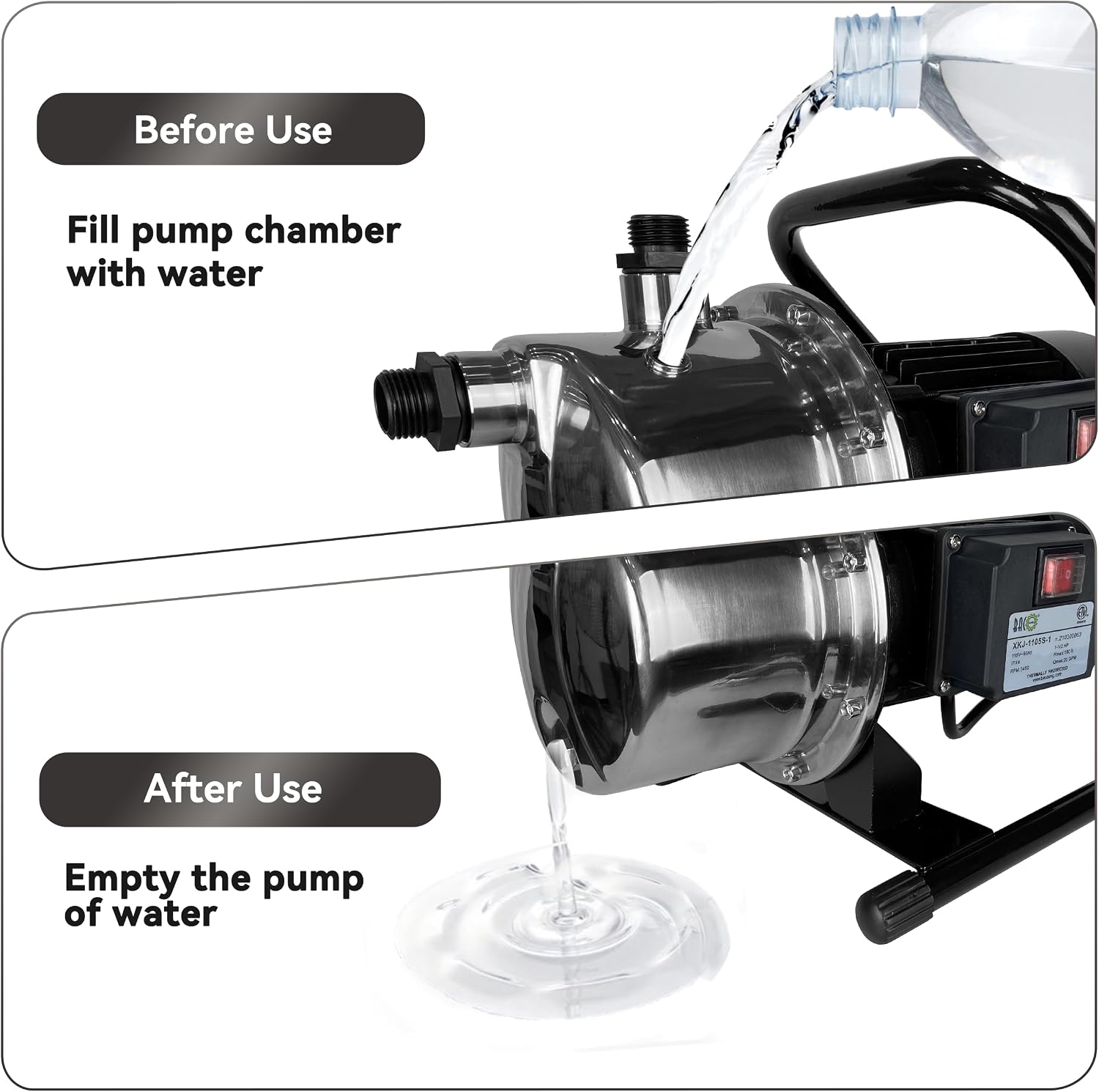
Figure 3.1: Priming the pump before use and draining after use.

Figure 3.2: Correct and incorrect installation diagrams.
Video: Performance Test and Setup Overview
Video 3.1: This video demonstrates the installation of the pump handle and hoses, followed by a performance test showcasing pressure and flow rates. It provides a visual guide for initial setup and operational capabilities.
4. Operating Instructions
Once the pump is properly set up and primed, it is ready for operation.
- Power On: Plug the pump into a grounded 110V power outlet. Flip the waterproof on/off switch to the 'ON' position.
- Monitor Operation: The pump will begin to transfer water. Monitor the flow and pressure to ensure it is operating as expected.
- Applications: This pump is ideal for various tasks such as:
- Garden and lawn irrigation.
- Transferring water from pools, ponds, and rain barrels.
- As a shallow well pump (compatible with a tank).
- As a booster pump for increased water pressure (requires an external pressure switch, not included).
- Power Off: When finished, flip the on/off switch to the 'OFF' position and unplug the pump from the power outlet.

Figure 4.1: Multiple applications of the BACOENG Water Transfer Pump.
5. Maintenance
Regular maintenance ensures the longevity and efficient operation of your pump.
- Draining After Use: After each use, especially before storing or in freezing temperatures, drain all water from the pump. Remove the drain plug and allow all water to exit the pump chamber.
- Cleaning: Periodically clean the exterior of the pump with a damp cloth. Ensure the motor's cooling fins are free from dust and debris.
- Check Connections: Regularly inspect all hose connections and electrical cords for wear, damage, or leaks. Tighten connections as needed.
- Seal Inspection: If you notice any leaks from the pump housing, the internal seals may need inspection or replacement. Contact customer support for guidance.
- Storage: Store the pump in a dry, protected area when not in use, especially during off-season or freezing conditions.
6. Troubleshooting
If you encounter issues with your pump, refer to the following common problems and solutions:
| Problem | Possible Cause | Solution |
|---|---|---|
| Pump does not start | No power; Faulty switch; Motor overload. | Check power connection and outlet; Inspect switch; Allow motor to cool if overload protection activated. |
| Pump runs but no water flows | Pump not primed; Air leak in suction line; Suction hose blocked; Water source empty. | Ensure pump is fully primed; Check all suction line connections for tightness; Clear any blockages; Verify water source. |
| Low flow or pressure | Partial blockage in suction/discharge line; Air leak; Worn impeller/seals; Excessive head/suction lift. | Check for blockages; Inspect connections; Contact support for internal component issues; Verify pump specifications match application. |
| Pump leaks water | Loose connections; Damaged seals. | Tighten all fittings; Inspect and replace seals if necessary. |
If the problem persists after attempting these solutions, please contact BACOENG customer support.
7. Specifications
| Specification | Value |
|---|---|
| Brand | BACOENG |
| Model Number | P0100 |
| Power Source | Corded Electric |
| Voltage | 110 Volts |
| Horsepower | 1.5 HP (1100W) |
| Maximum Flow Rate | 1200 GPH (20 Gallons Per Minute) |
| Maximum Lifting Height (Head) | 165 Feet |
| Maximum Suction Height | 25 Feet |
| Material | Stainless Steel |
| Product Dimensions (L x W x H) | 16" x 8" x 14" |
| Inlet/Outlet Size | 1" NPT |

Figure 7.1: Pump performance diagram.

Figure 7.2: Temperature Sensing Automatic Overload Stop feature.
8. Warranty and Support
For warranty information, technical support, or to inquire about replacement parts, please contact BACOENG customer service. Refer to the product packaging or the official BACOENG website for the most current contact details.