1. Introduction
This manual provides essential information for the proper setup, operation, and maintenance of your Casio CTK-2550 61-Key Premium Keyboard Pack. Please read this manual thoroughly before using the product to ensure safe and optimal performance. The CTK-2550 is a portable keyboard designed for musical exploration, featuring a wide range of tones, rhythms, and connectivity options.
2. Package Contents
Verify that all items listed below are included in your package. If any items are missing or damaged, please contact your retailer.
- Casio CTK-2550 61-Key Portable Keyboard
- Keyboard Stand
- Headphones
- AC Power Supply
- Music Rest
- Instruction Manual (this document)
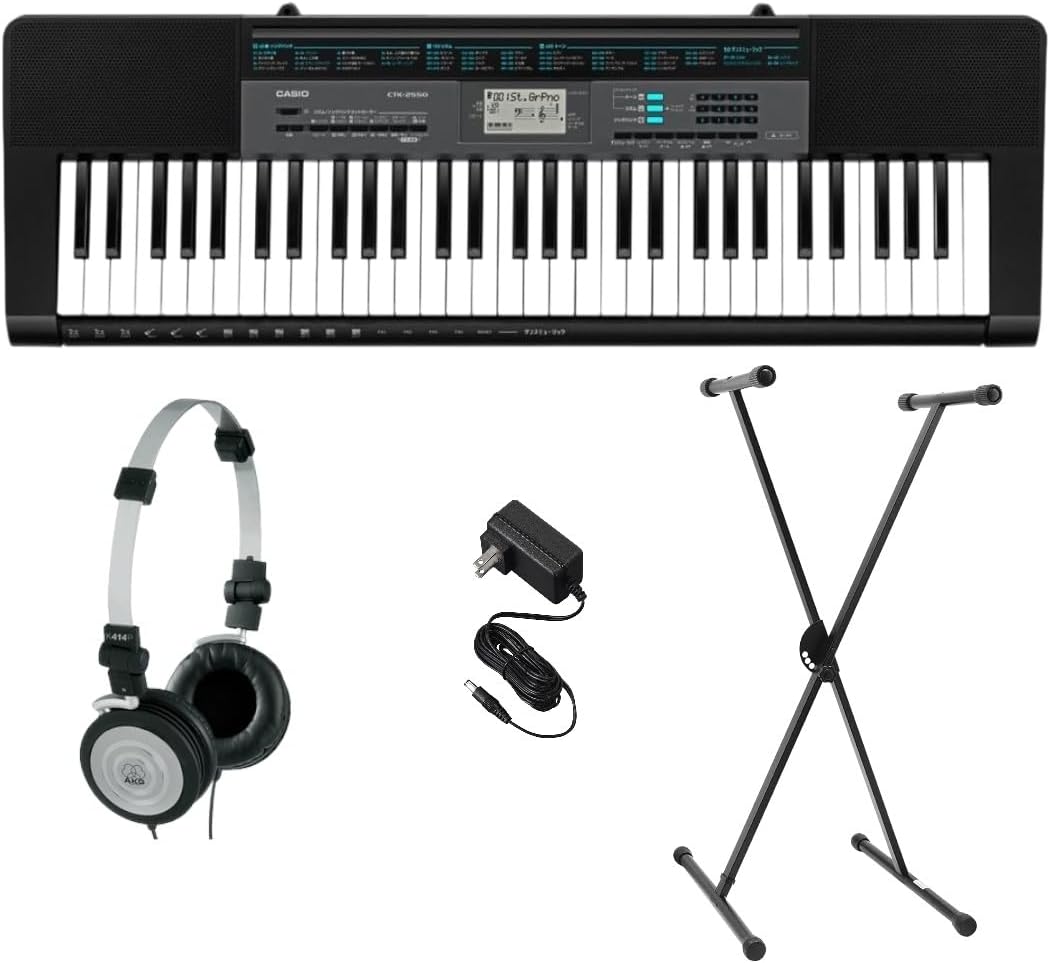
Figure 2.1: Casio CTK-2550 Keyboard Pack contents.
3. Setup
3.1. Keyboard Placement
Place the keyboard on a stable, flat surface or securely attach it to the included keyboard stand. Ensure there is adequate space around the keyboard for comfortable playing and access to connections.

Figure 3.1: Top view of the Casio CTK-2550 keyboard.
3.2. Power Connection
The CTK-2550 can be powered using the included AC adapter or six AA-size batteries (not included). Do not use rechargeable batteries.
- AC Adapter: Connect the AC adapter to the DC 9.5V jack on the rear of the keyboard and then plug it into a standard wall outlet.
- Batteries: Open the battery compartment on the underside of the keyboard and insert six AA-size alkaline batteries, ensuring correct polarity.
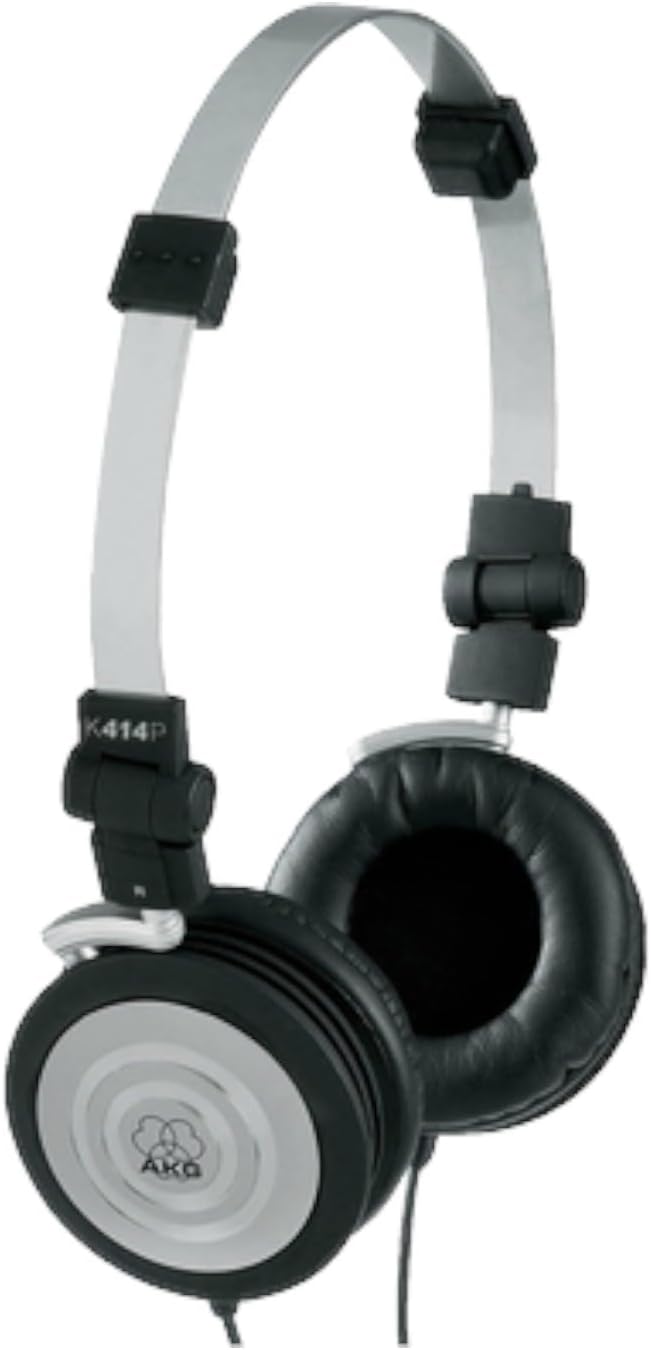
Figure 3.2: AC Power Supply.
3.3. Stand Assembly
Assemble the X-style keyboard stand according to its separate instructions. Place the keyboard securely on the stand, ensuring it is stable before use.
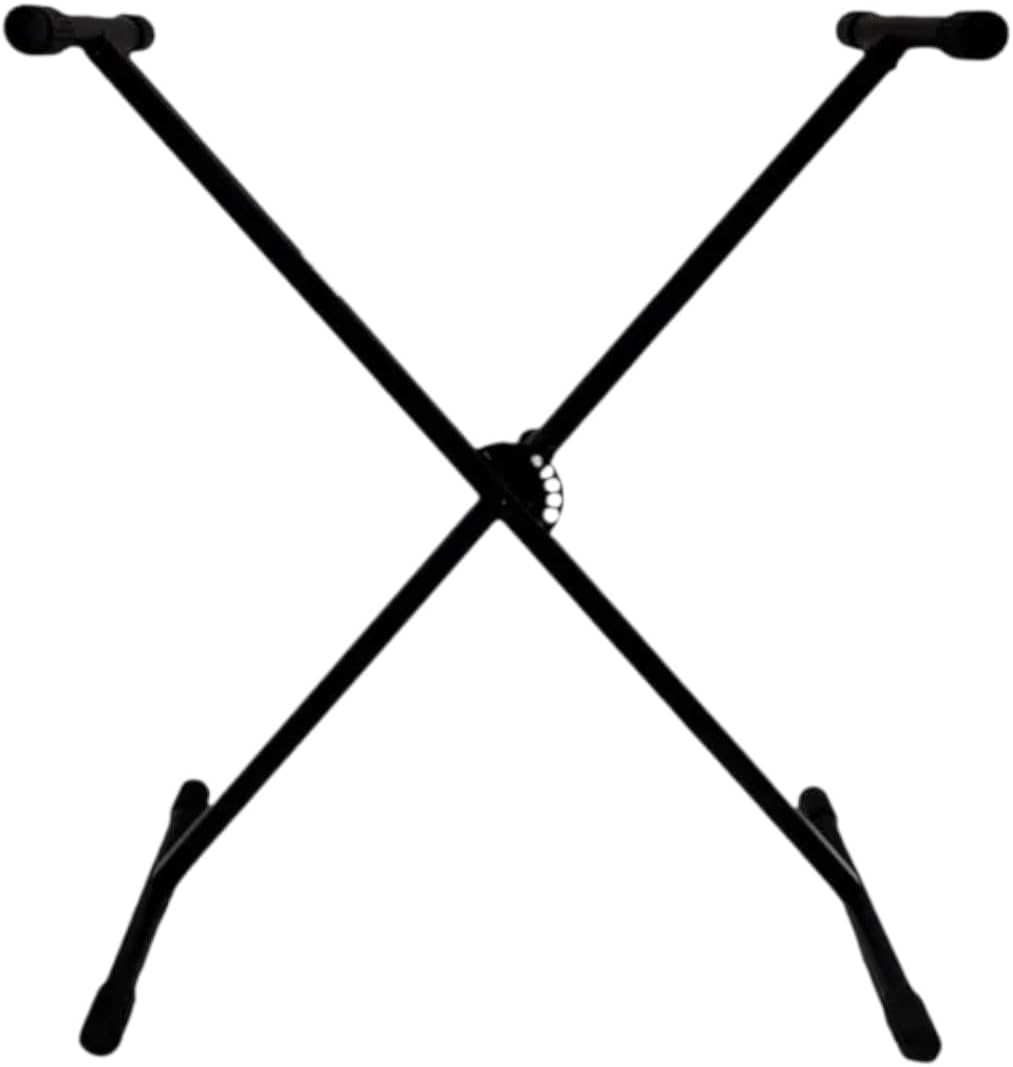
Figure 3.3: Keyboard Stand.
3.4. Headphone Connection
For private practice, connect the included headphones to the PHONES/OUTPUT jack on the rear of the keyboard. The internal speakers will automatically mute when headphones are connected.

Figure 3.4: Included Headphones.

Figure 3.5: Rear panel connections.
4. Operating Instructions
4.1. Powering On/Off
Press the [POWER] button to turn the keyboard on. To turn it off, press and hold the [POWER] button until the display turns off.
4.2. Sound Selection (Tones)
The CTK-2550 features 400 high-quality Tones. Use the [TONE] buttons and the numeric keypad to select different instrument sounds. You can explore various categories such as pianos, electric pianos, organs, strings, and more.
4.3. Rhythms and Accompaniment
Access 100 built-in Rhythms to add automatic accompaniment to your playing. Use the [RHYTHM] buttons and numeric keypad to select a rhythm. Press [START/STOP] to begin/end the rhythm. Adjust the tempo using the [TEMPO] buttons.
4.4. Dance Music Mode
Engage Dance Music Mode to create and remix electronic dance music. This mode allows you to select different variations of drum beats, bass lines, and synth parts, and add effects like filter, flanger, gate, roll, and low-fi.
4.5. Lesson System (Chordana Play App)
Connect your CTK-2550 to an iOS or Android device via USB to utilize the free Chordana Play app. The app provides a built-in lesson system that displays how to play your favorite songs, making learning interactive and engaging. You can also transfer downloadable MIDI files to the keyboard's internal memory.
4.6. Recording Function
The keyboard includes a recording function to capture your performances. Refer to the on-screen display and dedicated [REC] and [PLAY] buttons for operation.
4.7. Metronome and Transpose
A built-in metronome is available for timing practice. The transpose function allows you to change the key of the keyboard to play along with other instruments or to adjust a song to a more comfortable vocal range.
4.8. Connectivity
The keyboard features a USB port for connection to computers or smart devices, enabling MIDI communication and use with music software.
5. Maintenance
To ensure the longevity and optimal performance of your Casio CTK-2550, follow these maintenance guidelines:
- Cleaning: Wipe the keyboard and stand with a soft, dry cloth. For stubborn dirt, use a slightly damp cloth and mild soap, then wipe dry immediately. Avoid abrasive cleaners or solvents.
- Storage: Store the keyboard in a cool, dry place away from direct sunlight, extreme temperatures, and high humidity.
- Handling: Avoid dropping the keyboard or subjecting it to strong impacts. Do not place heavy objects on top of it.
- Batteries: If using batteries, remove them if the keyboard will not be used for an extended period to prevent leakage.
6. Troubleshooting
If you encounter any issues with your CTK-2550, refer to the following common troubleshooting steps:
- No Power: Ensure the AC adapter is securely connected to both the keyboard and a working power outlet. If using batteries, check that they are inserted correctly and are not depleted.
- No Sound: Check the volume level on the keyboard. If headphones are connected, disconnect them to check the internal speakers. Ensure external speakers (if used) are powered on and connected correctly.
- Keys Not Responding: Ensure the keyboard is powered on. If only certain keys are affected, contact customer support.
- App Connectivity Issues: Verify that the USB cable is properly connected between the keyboard and your smart device. Ensure the Chordana Play app is updated to the latest version.
If the problem persists after trying these steps, please contact Casio customer support.
7. Specifications
| Feature | Description |
|---|---|
| Model Name | CTK-2550 |
| Number of Keys | 61 |
| Tones | 400 |
| Rhythms | 100 |
| Dance Music Mode | 50 patterns |
| Connectivity | USB (to host) |
| Headphones Jack | Yes |
| Power Source | AC Adapter (included) or 6x AA Batteries (not included) |
| Dimensions (L x W x H) | 44 x 15 x 9 inches |
| Weight | 19.36 pounds |
8. Official Product Video
Video 8.1: Overview of the Casio CTK-2550 PPK 61-Key Premium Keyboard Pack, showcasing its features and components.
9. Warranty and Support
For warranty information and customer support, please refer to the warranty card included in your product packaging or visit the official Casio website. Keep your proof of purchase for any warranty claims.


