
1. Product Overview
The John Deere Original Equipment Blade Squeegee, model M42868, is a genuine replacement part designed for various John Deere equipment. This squeegee blade is constructed from durable alloy steel and is essential for effective clearing operations, particularly with snow blades and other attachments. It ensures a clean sweep by preventing material from passing underneath the blade.

Figure 1: Full length view of the John Deere Original Equipment Blade Squeegee M42868. This image displays the elongated, flat black blade with multiple pre-drilled holes for mounting.
2. Compatibility
This Original Equipment Blade Squeegee (M42868) is compatible with a wide range of John Deere models. Verify your equipment's specific requirements before installation.
Compatible John Deere Models:
- Tractors: 1023E, 1025R
- Blades: 46, 44, 42, 48, 47, 60, 54, 56
- Attachments: 1445, 1435, 1420, 1565, 25GA, 15, 47, 10, 47SB, 647A, 46ST, 7, 45, 48, 15GA, 51RB, 40GA, 450, 51, 125, 80, 60, 647, 25, 40, 54FB, 54, 42HT
- Mowers: X700, X565, 175, X720, X495, X465, X585, X749, X475, X744, X575, X748, 9X740, X728, X724, X595, GX325, GX335, GX345, GX355, X500, X520, X530, X540, 48C, 60HC, 54HC, X710, 60HC, X730, 48C, X734, X738, X739, X750, X754, X758
3. Setup and Installation
Proper installation of the blade squeegee is crucial for optimal performance and safety. Always refer to your specific equipment's operator's manual for detailed instructions and safety precautions.
General Installation Steps:
- Safety First: Ensure the equipment is turned off, the engine is cool, and all moving parts have stopped. Disconnect the spark plug wire or remove the battery to prevent accidental starting. Engage the parking brake.
- Position Equipment: Park the equipment on a flat, stable surface. If working with a blade attachment, lower it to the ground.
- Remove Old Squeegee (if applicable): Locate the existing squeegee blade. It is typically bolted to the bottom edge of the main blade. Use appropriate tools to remove the nuts and bolts securing the old squeegee. Dispose of the old part responsibly.
- Clean Mounting Area: Clean any debris, rust, or dirt from the blade's mounting surface where the new squeegee will attach.
- Position New Squeegee: Align the new John Deere M42868 squeegee blade with the mounting holes on your equipment's blade. Ensure the squeegee is oriented correctly for its intended function (e.g., angled for snow clearing).
- Secure Squeegee: Insert new or existing bolts through the squeegee and the blade. Secure them with washers and nuts. Note: Some users have reported that longer bolts may be required depending on the blade thickness. Ensure bolts are long enough to securely fasten the squeegee.
- Tighten Fasteners: Hand-tighten all nuts, then use a wrench to tighten them securely. Do not overtighten, as this can damage the squeegee or bolts. Ensure the squeegee is firmly attached and does not wobble.
- Final Check: Inspect the installation to ensure all fasteners are tight and the squeegee is properly aligned. Reconnect the spark plug wire or battery.
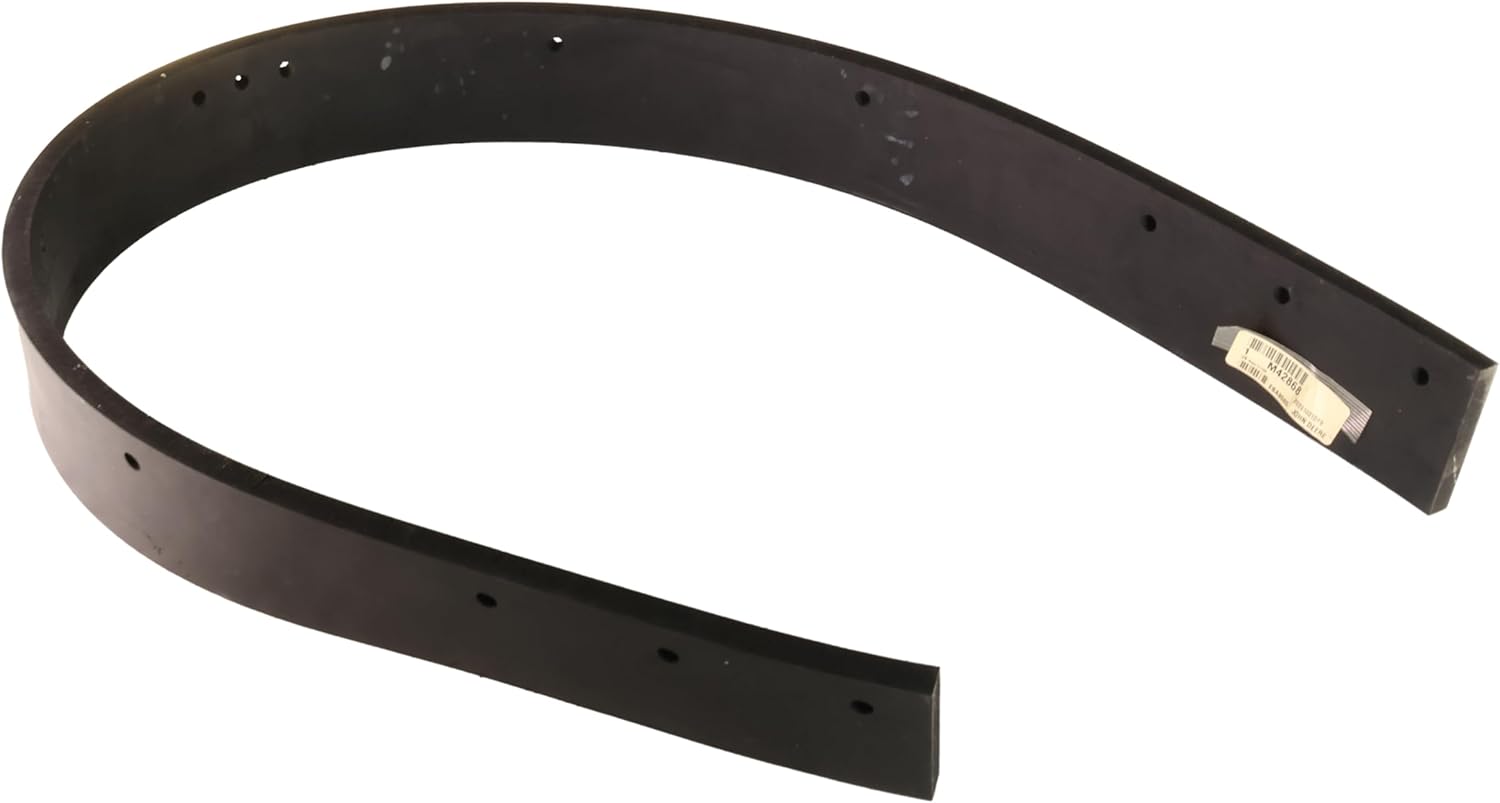
Figure 2: The John Deere M42868 Blade Squeegee shown curved, demonstrating its flexibility. This flexibility is important for conforming to surfaces during operation and absorbing impacts.
4. Operating Instructions
Once installed, the blade squeegee operates as an integral part of your equipment's blade or attachment. Its primary function is to provide a clean scraping action on surfaces.
- Surface Contact: Ensure the squeegee makes consistent contact with the surface being cleared. Adjust blade height or angle as necessary according to your equipment's manual.
- Material Clearing: The squeegee is designed to effectively clear snow, water, or other loose materials from hard surfaces.
- Avoid Obstacles: Exercise caution and avoid striking solid obstacles (e.g., curbs, rocks) at high speeds, as this can damage the squeegee or the equipment.
5. Maintenance
Regular inspection and maintenance will extend the life of your John Deere Blade Squeegee M42868 and ensure optimal performance.
- Visual Inspection: Before each use, visually inspect the squeegee for signs of wear, cracks, tears, or damage. Check for loose or missing fasteners.
- Cleaning: After use, especially when clearing corrosive materials like road salt, clean the squeegee and the blade thoroughly with water to prevent material buildup and corrosion.
- Fastener Check: Periodically check and tighten all mounting bolts and nuts to ensure the squeegee remains securely attached.
- Replacement: Replace the squeegee when it shows significant wear, such as thinning, deep cracks, or uneven wear that compromises its clearing effectiveness. A worn squeegee will not perform optimally and may lead to inefficient operation.

Figure 3: Angled view of the John Deere M42868 Blade Squeegee, highlighting the pre-drilled mounting holes along its length. These holes facilitate secure attachment to compatible equipment blades.
6. Troubleshooting
If you encounter issues with your blade squeegee, consider the following common troubleshooting steps:
- Ineffective Clearing: If the squeegee is not clearing material effectively, check for excessive wear, damage, or improper installation. Ensure it makes full contact with the surface.
- Squeegee Damage: Cracks or tears often result from impacts with hard objects or prolonged exposure to harsh conditions. Replace the squeegee if significant damage is present.
- Loose Squeegee: If the squeegee is loose or rattling, check all mounting bolts and nuts and tighten them securely.
7. Specifications
| Specification | Detail |
|---|---|
| Model Number | M42868 |
| Brand | John Deere |
| Material | Alloy Steel |
| Color | Black |
| Item Weight | 4.3 Pounds |
| Cutting Width | 54.5 Inches |
| UPC | 889818130594 |
| Assembly Required | No (referring to the squeegee itself, not its installation) |
8. Warranty and Support
The manufacturer warranty for the John Deere Original Equipment Blade Squeegee M42868 varies. For specific warranty details, claims, or technical support, please contact John Deere directly or refer to the documentation provided with your original equipment purchase.
For further assistance, visit the official John Deere website or contact an authorized John Deere dealer.
