Introduction
These Genuine OEM Kia (Hyundai) NGK Spark Plugs, part number 18843-10062, are designed to provide reliable ignition for your vehicle's engine. Manufactured to meet original equipment specifications, these spark plugs ensure optimal performance, fuel efficiency, and emission control for compatible Kia and Hyundai models. This manual provides essential information regarding the product, its installation, function, and maintenance.

Figure 1: Genuine OEM Kia (Hyundai) NGK Spark Plugs (Pack of 4) in packaging.
This image displays the four spark plugs alongside their official Kia/Hyundai packaging, indicating their authenticity and brand. The box clearly shows "Spark Plug" and the part number "18843 10062".
Setup and Installation
Proper installation of spark plugs is crucial for engine performance and longevity. It is highly recommended that installation be performed by a qualified automotive technician. If you choose to perform the installation yourself, please follow your vehicle's specific service manual for detailed instructions and safety precautions.
General Installation Guidelines:
- Vehicle Compatibility: Ensure these spark plugs (Part Number: 18843-10062) are compatible with your specific vehicle make, model, and engine type. Refer to your vehicle's owner's manual or a reputable parts catalog.
- Safety First: Always disconnect the vehicle's battery before beginning any work on the ignition system. Allow the engine to cool completely to avoid burns and ensure proper torque application.
- Tools Required: You will typically need a spark plug socket, ratchet, torque wrench, and possibly a gap gauge (though these plugs are often pre-gapped for specific applications).
- Removal: Carefully remove the ignition coils or spark plug wires. Use compressed air to clear any debris from around the spark plug wells before removing the old plugs to prevent contaminants from entering the combustion chamber.
- Inspection: Before installing new plugs, visually inspect them for any damage. These NGK spark plugs feature a Platinum or Iridium core material and a 12mm thread size.
- Installation: Hand-thread the new spark plugs into the cylinder head to avoid cross-threading. Once finger-tight, use a torque wrench to tighten them to the manufacturer's specified torque setting. Do not overtighten or undertighten.
- Reassembly: Reinstall ignition coils or spark plug wires, ensuring they are securely connected. Reconnect the battery.
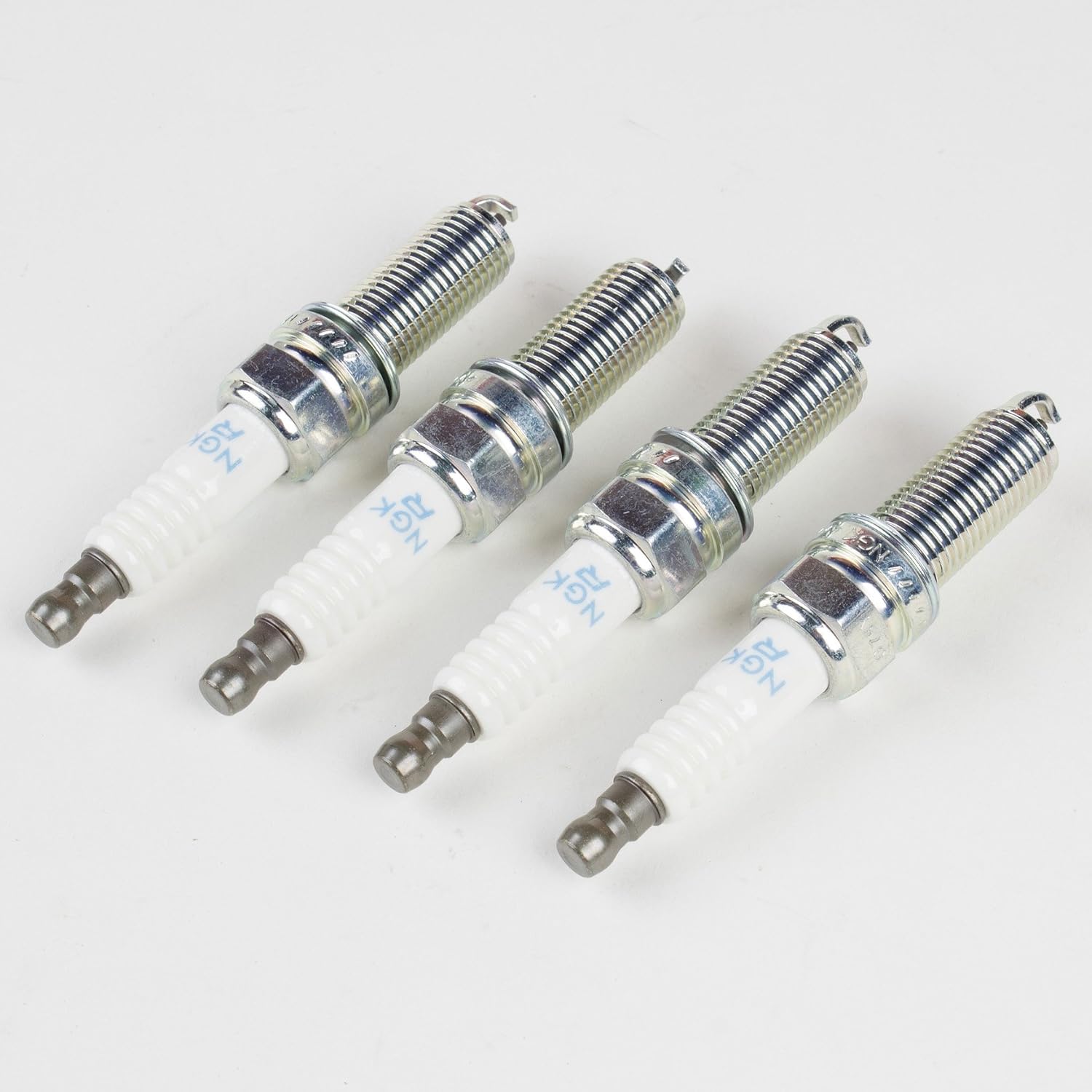
Figure 2: Individual Spark Plugs (Part Number 18843-10062).
This image shows the four spark plugs removed from their packaging, highlighting their design and construction, including the ceramic insulator and metal threads.
Operating Principles
Spark plugs are a critical component of your vehicle's internal combustion engine. Their primary function is to ignite the air-fuel mixture in the engine's cylinders, creating the controlled explosion necessary to power the vehicle. When the ignition system sends a high-voltage electrical pulse to the spark plug, it creates a spark across the gap between the center and ground electrodes. This spark ignites the compressed fuel and air, initiating the power stroke of the engine cycle.
These OEM spark plugs are designed to maintain the precise gap and electrode material (Platinum or Iridium) required for consistent and efficient ignition, contributing to smooth engine operation and optimal fuel economy.
Maintenance
Spark plugs are wear items and require periodic inspection and replacement. The lifespan of spark plugs can vary significantly based on vehicle type, driving conditions, and spark plug material. Consult your vehicle's owner's manual for the recommended spark plug inspection and replacement intervals.
Maintenance Tips:
- Regular Inspection: During routine vehicle maintenance, have your spark plugs inspected for signs of wear, fouling, or damage.
- Timely Replacement: Replace spark plugs according to your vehicle manufacturer's schedule, even if they appear to be functioning. Worn spark plugs can lead to reduced fuel efficiency, misfires, and increased emissions.
- Use Genuine Parts: Always use genuine OEM or equivalent quality spark plugs to ensure compatibility and performance.
Troubleshooting
Issues with spark plugs can manifest in various ways, often indicating a need for inspection or replacement. Below are common symptoms and potential causes related to spark plug performance:
| Symptom | Potential Cause (Spark Plug Related) |
|---|---|
| Engine Misfires or Rough Idling | Worn, fouled, or incorrectly gapped spark plugs. |
| Reduced Fuel Economy | Inefficient combustion due to worn or improperly firing spark plugs. |
| Difficulty Starting the Engine | Weak or inconsistent spark from faulty spark plugs. |
| Lack of Acceleration or Power | Incomplete combustion or misfires under load. |
| Check Engine Light (CEL) On | Often triggered by misfires detected by the engine's computer. |
If you experience any of these symptoms, it is advisable to have your vehicle inspected by a professional technician. They can diagnose the exact cause and recommend appropriate action, which may include spark plug replacement.
Specifications
The following are the key specifications for the Genuine OEM Kia (Hyundai) NGK Spark Plugs (Part Number: 18843-10062):
| Attribute | Detail |
|---|---|
| Brand | Kia (OEM for Kia/Hyundai) |
| Manufacturer Part Number | KIA-SP1884310062 (Equivalent to 18843-10062) |
| Core Material | Platinum or Iridium |
| Thread Size | 12mm |
| Item Weight (per pack) | 7 ounces |
| Package Dimensions | 4.09 x 3.58 x 1.06 inches |
| First Available | July 19, 2017 |

Figure 3: Part Number Detail on Packaging.
This close-up image of the product packaging clearly displays the "Spark Plug" label and the specific part number "18843 10062", confirming the model identification.
Warranty and Support
For specific warranty information regarding these Genuine OEM Kia (Hyundai) NGK Spark Plugs, please refer to the documentation provided with your purchase or contact the authorized seller or manufacturer directly. Genuine OEM parts typically carry a warranty against defects in materials and workmanship when installed correctly.
For technical support or further inquiries, it is recommended to contact an authorized Kia or Hyundai service center, or the official parts distributor from whom the product was purchased. You may also visit the official Kia or Hyundai service websites for general information and dealer locators.
Note: Always ensure you are purchasing genuine parts from authorized distributors to guarantee product authenticity and warranty coverage.


