
1. Introduction
This manual provides essential information for the safe and efficient installation, operation, and maintenance of the Baomain Pneumatic Air Cylinder, model SC 63-200. Please read this manual thoroughly before using the product to ensure proper function and to prevent damage or injury. Keep this manual for future reference.
2. Product Overview and Features
The Baomain SC 63-200 is a standard double-acting, single-rod pneumatic air cylinder designed for various industrial automation applications. It features a durable aluminum alloy construction and precise engineering for reliable performance.
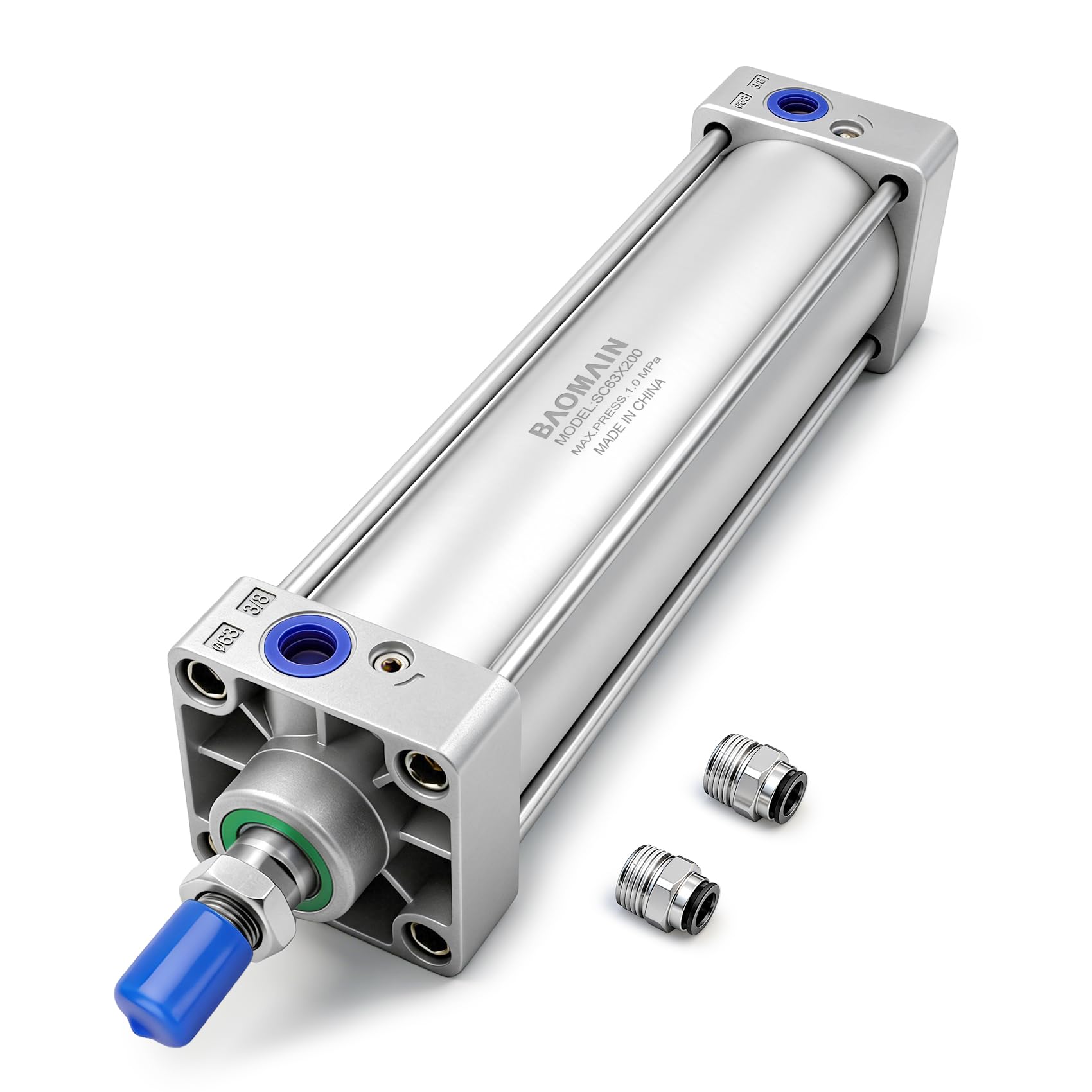
Image 2.1: Baomain Pneumatic Air Cylinder SC 63-200 with included fittings.
Key Features:
- Bore & Stroke: 2-1/2 inch (63mm) bore and 7.87 inch (200mm) stroke for consistent force.
- Action Type: Double-acting, single-rod design ensures force in both extension and retraction.
- Piston Rod: M16x1.5 male threaded end for secure connections, with an integrated self-lubricating bearing for maintenance-free operation.
- Air Ports: Equipped with PT 3/8 inch air ports.
- Fittings: Includes two push-in fittings compatible with 8mm outer diameter tubing for quick installation.
- Material: Constructed from high-strength aluminum alloy, offering lightweight and corrosion-resistant properties.
Video 2.2: Official product video demonstrating the Baomain Pneumatic Air Cylinder SC 63 x 200 and its features.
3. Specifications
Detailed technical specifications for the Baomain SC 63-200 Pneumatic Air Cylinder are provided below.
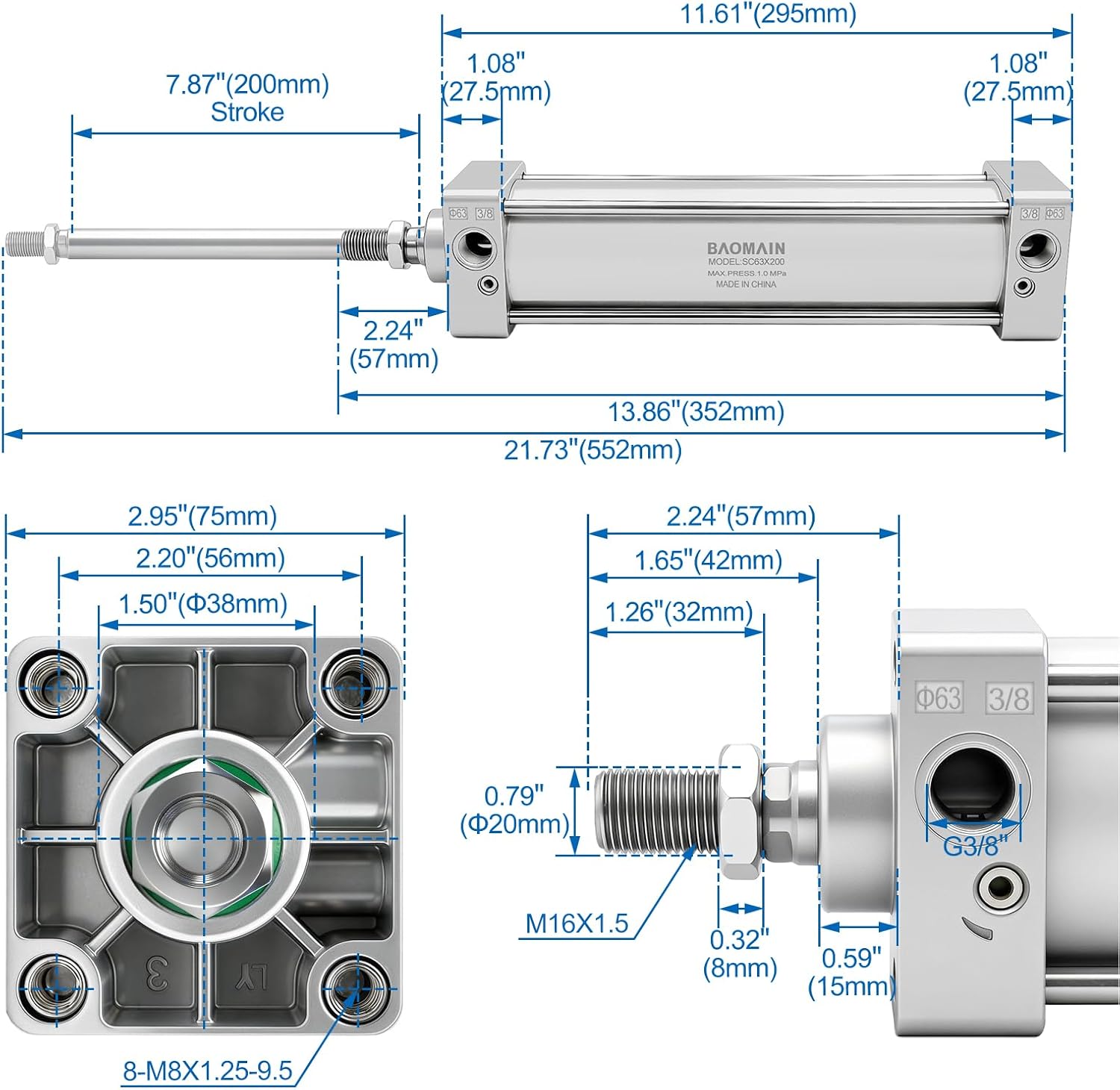
Image 3.1: Detailed dimensions of the Baomain Pneumatic Air Cylinder SC 63-200.
| Specification | Value |
|---|---|
| Model Number | SC 63-200 |
| Bore Size | 63mm (2-1/2 inches) |
| Stroke Length | 200mm (7.87 inches) |
| Port Size | PT 3/8 |
| Piston Rod Thread | M16x1.5 |
| Action Type | Double Acting, Single Rod |
| Material | Aluminum Alloy (Cylinder Block) |
| Item Weight | 4.6 pounds |
| Product Dimensions | 2.95 x 2.95 x 13.8 inches |
| Included Components | 2x 8mm Push-in Fittings |

Image 3.2: Detailed view of the Baomain Pneumatic Air Cylinder SC 63-200, highlighting key components.
4. Safety Information
Always observe the following safety precautions to prevent accidents and ensure safe operation:
- Ensure all pneumatic connections are secure and leak-free before applying air pressure.
- Never exceed the maximum operating pressure specified for the cylinder.
- Wear appropriate personal protective equipment (PPE), such as safety glasses, when working with pneumatic systems.
- Depressurize the system completely before performing any maintenance or adjustments.
- Mount the cylinder securely to a stable surface to prevent movement during operation.
- Keep hands and other body parts clear of moving parts during operation.
5. Installation
Follow these steps for proper installation of your pneumatic air cylinder:
- Mounting: Securely mount the cylinder to a rigid and stable structure using appropriate fasteners. Ensure the mounting surface can withstand the forces generated by the cylinder.
- Piston Rod Connection: Attach the M16x1.5 threaded piston rod to your application's load or mechanism. Ensure the connection is aligned to prevent side loading on the rod, which can cause premature wear.
- Pneumatic Connections: Connect the air supply lines to the PT 3/8 ports. The included 8mm push-in fittings allow for quick and secure connection of 8mm outer diameter tubing. Ensure tubing is cut cleanly and inserted fully into the fittings.

Image 5.1: Close-up view of the standardized PT 3/8 threaded ports and push-in fittings.

Image 5.2: The M16x1.5 threaded piston rod for connecting to external mechanisms.
6. Operation
The SC 63-200 is a double-acting cylinder, meaning air pressure is used to extend and retract the piston rod. This provides controlled movement in both directions.
- Air Supply: Connect a regulated air supply to the system. Ensure the air pressure is within the cylinder's operating range.
- Extension: To extend the piston rod, apply air pressure to the rear port (typically the port furthest from the piston rod end).
- Retraction: To retract the piston rod, apply air pressure to the front port (typically the port closest to the piston rod end) while exhausting air from the rear port.
- Speed Control: The speed of the piston rod can be adjusted using flow control valves (not included) installed in the air lines.
Video 6.1: Official product video demonstrating the operation and application of a Baomain Pneumatic Air Cylinder.
7. Maintenance
Regular maintenance ensures the longevity and optimal performance of your air cylinder.
- Air Quality: Ensure the air supply is clean, dry, and lubricated (if required by your system design). Contaminants can damage internal seals.
- Leak Checks: Periodically check all pneumatic connections for leaks. Leaks can reduce efficiency and cause premature wear.
- Mounting Security: Verify that the cylinder remains securely mounted and that all fasteners are tight.
- Piston Rod Inspection: Inspect the piston rod for any signs of damage, scratches, or corrosion. A damaged rod can compromise seal integrity.
- Lubrication: The integrated self-lubricating bearing on the piston rod minimizes maintenance. However, if your pneumatic system uses an in-line lubricator, ensure it is properly maintained.
8. Troubleshooting
Refer to the table below for common issues and their potential solutions.
| Problem | Possible Cause | Solution |
|---|---|---|
| Cylinder not moving or slow movement | Low air pressure; Restricted airflow; Leaking connections; Damaged seals. | Check air supply and regulator; Inspect air lines and fittings for blockages or leaks; Replace seals if damaged. |
| Erratic movement | Inconsistent air pressure; Air contamination; Excessive friction. | Ensure stable air supply; Check air filter and lubricator; Inspect piston rod for damage or misalignment. |
| Air leakage from ports or seals | Loose fittings; Damaged seals; Scratched piston rod. | Tighten fittings; Replace seals; Inspect and replace piston rod if severely damaged. |
| Excessive noise | Lack of lubrication; Misalignment; Worn bearings. | Check lubrication system; Verify proper alignment of cylinder and load; Inspect bearings for wear. |
9. Optional Accessories
Various accessories are available to enhance the functionality and mounting options of your Baomain pneumatic air cylinder. These are sold separately.

Image 9.1: Examples of optional accessories including rod end bearings, connectors, brackets, and switches.
- Rod End Bearings: For flexible connection to loads.
- Connectors: Various types like I-Connectors and Y-Connectors.
- Mounting Brackets: Such as LB-Brackets, Foot Flange CA, Foot Flange CB, and Mounting Plate FA for diverse installation needs.
- Magnetic Switches: For position sensing (requires cylinder with magnetic piston, which this model does not explicitly state it has).
10. Applications
The Baomain SC 63-200 pneumatic air cylinder is suitable for a wide range of industrial automation tasks due to its robust design and reliable operation.

Image 10.1: Visual examples of the air cylinder in automation, testing equipment, packaging machinery, and material handling.
- Automated production lines
- Electronics and semiconductor industries
- Packaging machinery
- Medical equipment
- Robotics
- Material handling and precision positioning
11. Warranty and Support
For warranty information, technical support, or service inquiries, please contact Baomain directly through their official channels or the retailer from whom the product was purchased. Keep your purchase receipt as proof of purchase.