
1. Introduction
This manual provides essential instructions for the safe and efficient operation, maintenance, and troubleshooting of your TECHTONGDA Commercial Meatball Forming Machine, Model L170628. Please read this manual thoroughly before operating the machine to ensure proper usage and to prevent damage or injury.
The TECHTONGDA Commercial Meatball Forming Machine is designed for high-volume production of various types of meatballs, including beef, mutton, pork, and fish. It features a robust stainless steel construction and a powerful 1100W motor, capable of producing 280-300 pieces per minute. The machine comes with six interchangeable dies to create meatballs of different sizes.
Key Features:
- Six Interchangeable Dies: Includes 18mm, 22mm, 26mm, 28mm, 30mm, and 32mm sizes for versatile meatball production.
- High Efficiency: 1100W pure copper motor enables a production capacity of 280-300 meatballs per minute.
- Durable Construction: Made from stainless steel for hygiene, durability, and corrosion resistance.
- Integrated Water Tank: Prevents meatballs from sticking after forming; requires water at 60-70℃ (140-158℉).
- Easy to Operate and Clean: Designed for straightforward assembly, disassembly, and maintenance.
2. Safety Instructions
Always adhere to the following safety guidelines to ensure safe operation and prevent personal injury or damage to the machine.
- Electrical Safety: Ensure the machine is connected to a grounded power outlet with the correct voltage (110V). Do not operate with wet hands or in wet environments. Disconnect power before cleaning, maintenance, or when the machine is not in use.
- Personal Safety: Keep hands, hair, and loose clothing away from moving parts during operation. Use appropriate personal protective equipment (PPE) such as gloves and safety glasses.
- Machine Operation: Never insert foreign objects into the hopper or discharge opening. Do not overload the machine. Ensure all components are correctly assembled and secured before starting.
- Children and Unauthorized Personnel: Keep children and unauthorized personnel away from the machine at all times.
- Emergency Stop: Familiarize yourself with the location and operation of the emergency stop switch.
3. Product Overview
Components
The following diagrams illustrate the main components of the meatball forming machine.

Figure 3.1: Exploded view showing the sleeve, spiral blanking rod, material barrel, mould, copper teeth, tool carrier, and blades.

Figure 3.2: Front and back views of the machine, highlighting the hopper, forming mechanism, and power cord connection.

Figure 3.3: Close-up of the large capacity hopper where the meat mixture is loaded.

Figure 3.4: The control switch, typically featuring ON/OFF buttons for operation.

Figure 3.5: Illustration of the powerful 1100W pure copper motor.
Dimensions
Refer to the image below for the overall dimensions of the machine.

Figure 3.6: Machine dimensions including height (48.4"), width (27.6"), and hopper dimensions (14.5" diameter, 13" depth).
4. Setup
Unpacking
- Carefully remove the machine and all accessories from the packaging.
- Inspect all components for any signs of damage during transit. Contact customer support immediately if any damage is found.
- Retain packaging materials for future transport or storage.
Assembly
The machine requires minimal assembly. Ensure all parts are clean before assembly.
- Install the desired mold: Select one of the six copper molds (18/22/26/28/30/32mm) according to your desired meatball size. Carefully insert the mold into the forming mechanism.
- Secure the blades: Attach the cutting blades to the tool carrier, ensuring they are properly aligned and secured.
- Connect water pipe: Ensure the water pipe is correctly positioned to lubricate the die and prevent sticking.
- Position the water tank: Place a water tank (not included) directly beneath the discharge area. This tank should contain water heated to 60-70℃ (140-158℉) to receive the formed meatballs and prevent them from sticking together.
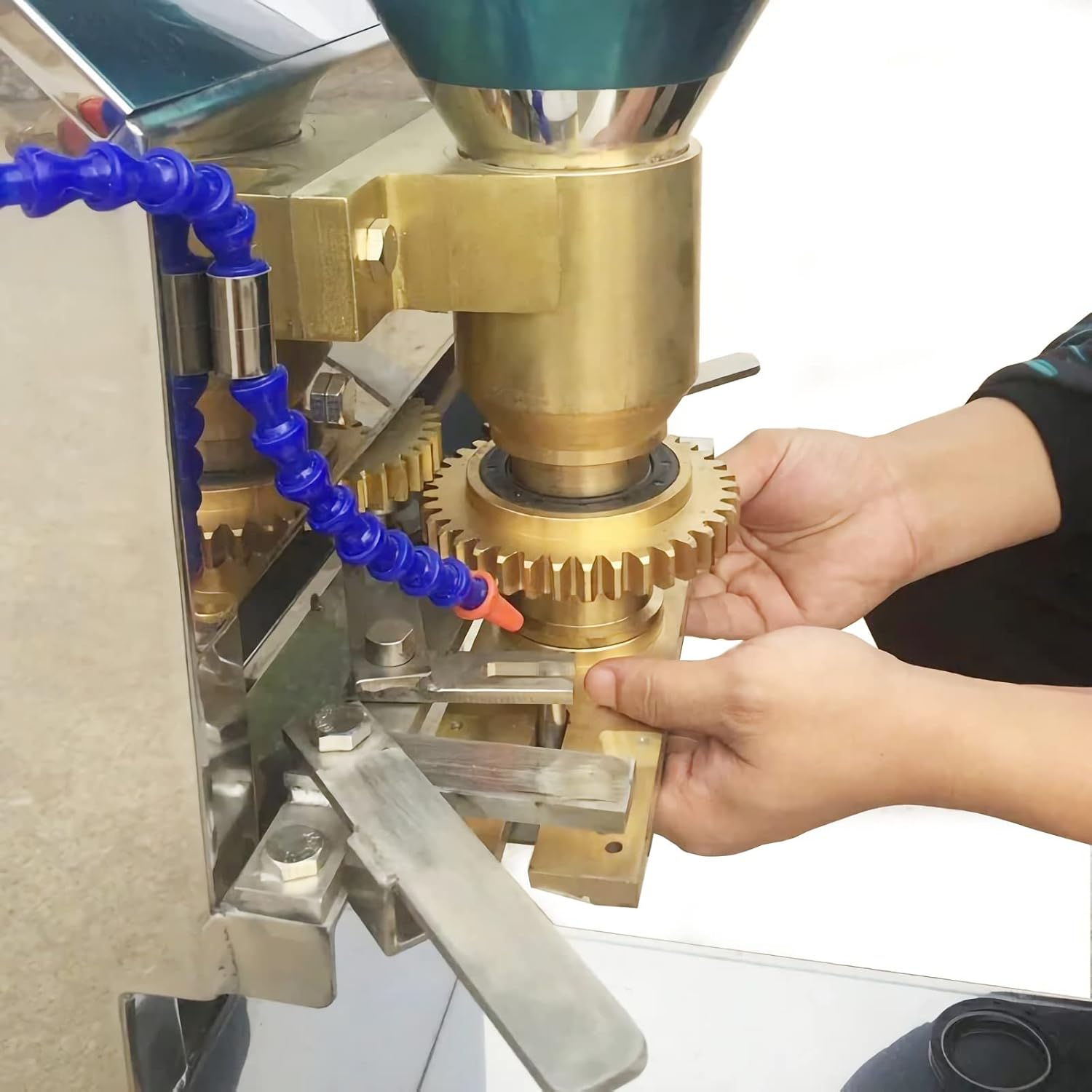
Figure 4.1: Detailed view of how to install the copper mold and cutting blades.

Figure 4.2: The six different sizes of copper molds included with the machine.
Initial Cleaning
Before first use, thoroughly clean all parts that will come into contact with food using warm soapy water. Rinse completely and dry.
5. Operation
Preparing Ingredients
The quality of the meatball mixture directly impacts the machine's performance and the final product. Follow these general steps:
- Cut Meat: Cut raw meat (beef, pork, mutton, fish) into small pieces.
- Grind Meat: Process the small meat pieces through a meat grinder to achieve a fine consistency.
- Beat Meat: Use a meat beater or mixer to grind the meat into a smooth, uniform pulp. This step is crucial for proper meatball formation.
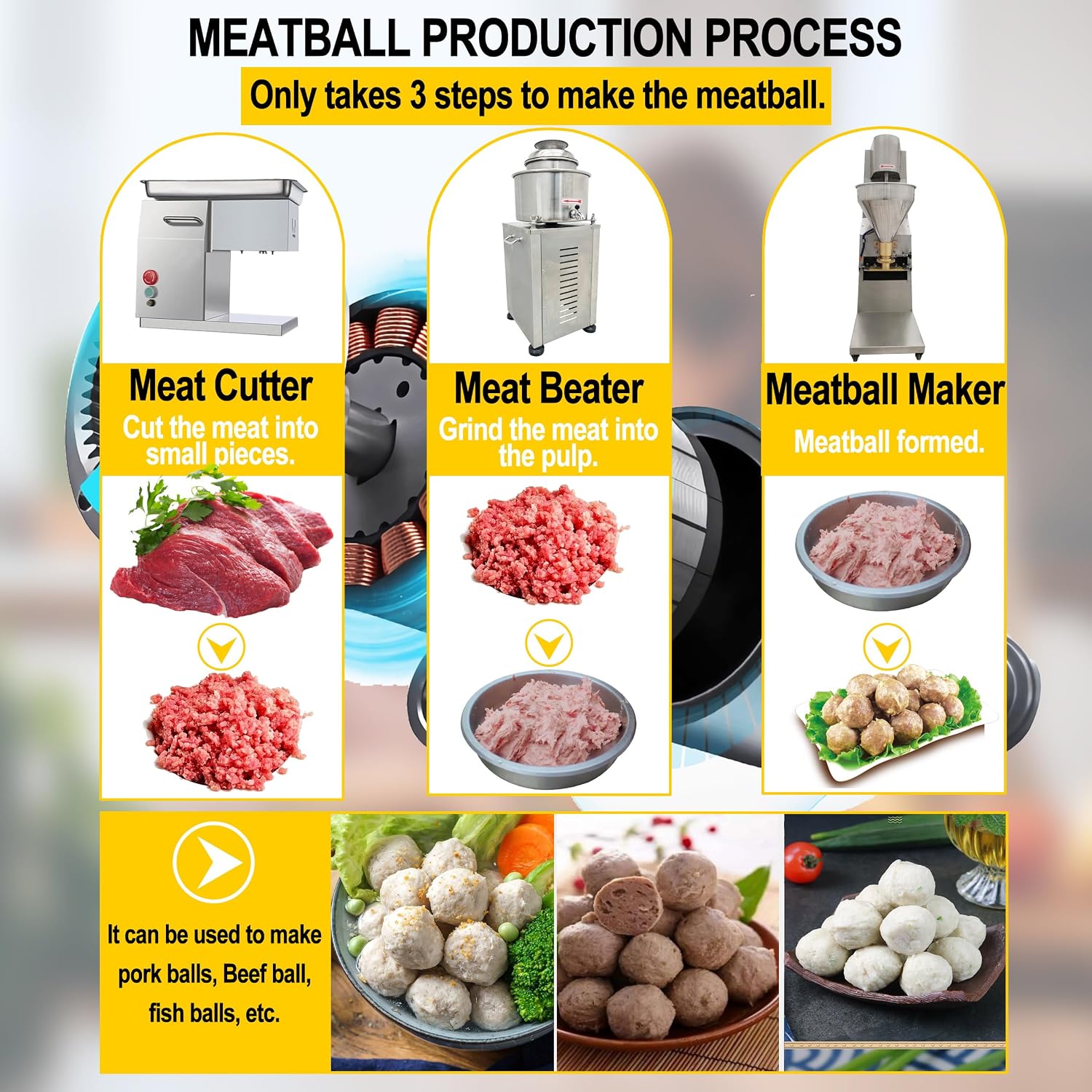
Figure 5.1: Visual representation of the meatball production process from raw meat to formed meatballs.

Figure 5.2: The three stages of meatball preparation: grinding, beating, and forming.
Forming Meatballs
- Power On: Ensure the machine is properly plugged in and the water tank is filled with water at 60-70℃ (140-158℉). Turn on the machine using the control switch.
- Load Mixture: Carefully pour the prepared meat pulp into the large capacity hopper.
- Monitor Production: The machine will automatically feed the mixture through the chosen mold, forming meatballs that are then cut by the blades and dropped into the heated water tank.
- Adjustments: If necessary, adjust the consistency of the meat mixture or check the water flow to the die to ensure smooth operation and prevent sticking.

Figure 5.3: Illustrates the high efficiency of machine-based meatball production compared to manual methods.
Video 5.1: This video demonstrates the operation of the TECHTONGDA Commercial Meatball Forming Machine, showing the process of loading meat mixture and forming meatballs.
6. Maintenance
Cleaning
Regular cleaning is essential to maintain hygiene and prolong the machine's lifespan.
- Disconnect Power: Always unplug the machine from the power outlet before cleaning.
- Disassemble Components: Carefully remove the hopper, molds, blades, and any other removable parts.
- Wash Parts: Wash all disassembled parts with warm water and a mild, food-safe detergent. Use a brush to remove any stubborn residue.
- Rinse and Dry: Rinse all parts thoroughly with clean water and dry them completely to prevent water spots and corrosion.
- Wipe Main Unit: Wipe down the main body of the machine with a damp cloth, then dry immediately. Do not spray water directly onto electrical components.
- Reassemble: Once all parts are dry, reassemble the machine.
Storage
When not in use for extended periods, store the machine in a clean, dry, and well-ventilated area. Ensure all parts are clean and dry before storage.
7. Troubleshooting
This section addresses common issues you might encounter during operation.
| Problem | Possible Cause | Solution |
|---|---|---|
| Machine does not start | No power supply; Power switch off; Motor overload protection activated. | Check power connection and outlet; Turn on power switch; Allow motor to cool down and reset. |
| Meatballs are not forming correctly or sticking | Meat mixture too dry/wet; Incorrect mold installation; Insufficient water flow to die; Water tank temperature too low. | Adjust meat mixture consistency; Reinstall mold correctly; Check water pipe for blockages; Ensure water in tank is 60-70℃. |
| Unusual noise during operation | Loose components; Foreign object in mechanism; Motor issue. | Turn off and inspect for loose parts or foreign objects; If noise persists, contact customer support. |
| Reduced production speed | Motor overheating; Overloaded hopper; Worn components. | Reduce load; Allow machine to cool; Inspect for worn parts and replace if necessary. |
If you encounter issues not listed here or if the suggested solutions do not resolve the problem, please contact customer support.
8. Specifications
Detailed technical specifications for the TECHTONGDA Commercial Meatball Forming Machine.
| Specification | Value |
|---|---|
| Brand | TECHTONGDA |
| Model Number | L170628 |
| Material | Stainless Steel |
| Power Source | Electric |
| Voltage | 110 Volts |
| Wattage | 1100 watts |
| Production Capacity | 280-300 pcs/min |
| Meatball Die Sizes | 18mm, 22mm, 26mm, 28mm, 30mm, 32mm |
| Recommended Water Temperature | 60-70℃ (140-158℉) |
| Color | Silver |
| UPC | 615311277685 |
| ASIN | B072BQJYVM |
9. Warranty and Support
For warranty information, technical support, or service inquiries, please contact your retailer or the manufacturer directly. Keep your purchase receipt and model number (L170628) readily available when contacting support.
Additional protection plans may be available for purchase from your retailer to extend coverage beyond the standard warranty period.