
1. Introduction
This manual provides essential instructions for the safe and effective use of your GENTEC TF7000 Tire Inflation Handle with Gauge. Please read this manual thoroughly before operating the device and retain it for future reference. This commercial-style tire inflation handle is designed for accurate tire pressure management.
2. Safety Information
Always observe basic safety precautions when using this product to reduce the risk of injury or damage.
- Wear Eye Protection: Always wear ANSI-approved safety goggles when operating air tools.
- Maintain Proper Pressure: Do not exceed the maximum recommended tire pressure. Over-inflation can cause tires to burst.
- Inspect Before Use: Before each use, inspect the inflation handle, gauge, and air hose for any signs of damage or wear. Do not use if damaged.
- Secure Connections: Ensure all air connections are secure to prevent accidental disconnection and air leaks.
- Keep Clear: Keep hands, face, and body parts clear of the tire valve and air stream during inflation.
- Use in Well-Ventilated Area: Ensure adequate ventilation when working with compressed air.
3. Product Overview
The GENTEC TF7000 is a robust tire inflation handle equipped with an integrated pressure gauge for precise tire pressure readings.
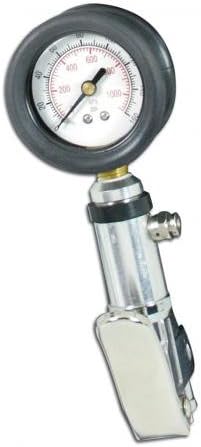
Figure 1: GENTEC TF7000 Tire Inflation Handle with Gauge. This image displays the GENTEC TF7000 Tire Inflation Handle, featuring a large, easy-to-read pressure gauge at the top, connected to a robust metal handle. The handle includes a trigger mechanism for air release and an inlet for connecting an air hose.
Components:
- Pressure Gauge: Displays current tire pressure.
- Inflation Handle: Ergonomic grip for comfortable use.
- Trigger: Activates air flow for inflation.
- Air Inlet: Connection point for an air compressor hose.
- Tire Chuck (not pictured, typically sold separately): Connects to the tire valve stem. The TF7000 works with the TW146 Whip end.
4. Setup and Installation
Follow these steps to prepare your GENTEC TF7000 for use:
- Connect Air Hose: Attach your air compressor hose to the air inlet on the inflation handle. Ensure the connection is tight and secure to prevent air leaks.
- Attach Tire Chuck: If not already integrated, connect a suitable tire chuck (e.g., TW146 Whip end) to the output of the inflation handle.
- Prepare Air Compressor: Ensure your air compressor is set to the appropriate pressure for the tires you intend to inflate.
5. Operating Instructions
To inflate a tire using the GENTEC TF7000:
- Check Tire Pressure: Before connecting, ensure the tire is cool. Remove the valve cap from the tire valve stem.
- Connect to Tire Valve: Firmly press the tire chuck onto the tire valve stem. You may hear a brief hiss of air as the connection is made.
- Read Current Pressure: The gauge on the handle will display the current tire pressure. Compare this to the recommended pressure for your tire (usually found on a sticker inside the vehicle's door jamb or in the owner's manual).
- Inflate Tire: Squeeze the trigger on the handle to begin inflating the tire. Observe the gauge as you inflate. Release the trigger periodically to check the static pressure reading.
- Adjust Pressure: If you over-inflate, some models may have a bleed-off button to release air. Otherwise, carefully depress the tire valve stem with a small tool to release excess air until the correct pressure is reached.
- Disconnect: Once the desired pressure is achieved, remove the tire chuck from the valve stem and replace the valve cap.
6. Maintenance and Care
Proper maintenance ensures the longevity and accuracy of your inflation handle:
- Cleaning: Wipe the handle and gauge with a clean, dry cloth after each use. Avoid using harsh chemicals or solvents.
- Storage: Store the inflation handle in a clean, dry place, away from extreme temperatures and direct sunlight.
- Inspect Connections: Regularly check all connections for wear, cracks, or damage. Replace worn components as necessary.
- Gauge Calibration: While the gauge is factory calibrated, if you suspect inaccuracy, compare its readings with a known accurate gauge. Professional calibration may be required for critical applications.
7. Troubleshooting
Here are some common issues and their potential solutions:
- Issue: Air leaks from connections.
Solution: Ensure all connections (air hose to handle, chuck to handle, chuck to tire valve) are tight. Check O-rings and seals for damage and replace if necessary. - Issue: Gauge reads inaccurately.
Solution: Compare the reading with another known accurate gauge. Ensure the gauge is not damaged. If consistently inaccurate, consider professional calibration or replacement. - Issue: No air flow when trigger is pressed.
Solution: Check if the air compressor is on and supplying air. Ensure the air hose is not kinked or blocked. Inspect the handle's internal mechanism for obstructions or damage.
8. Specifications
| Model Number | TF7000 |
| Manufacturer | GENTEC |
| Material | Steel, Brass, Rubber |
| Item Weight | 10 pounds (approximate) |
| Compatible Whip End | TW146 (sold separately) |