
1. Introduction
This manual provides essential information for the proper use, installation, and maintenance of the Stanley N830-311 5/8" Zinc Plated Steel Double Clevis Link. This product is designed for making quick connections with two chains in various industrial and construction applications. It is manufactured from forged steel and meets Grade 70 specifications.
Please read this manual thoroughly before using the product to ensure safe and effective operation.
2. Safety Information
WARNING: Failure to follow these safety instructions may result in serious injury or property damage.
- DO NOT use this clevis link for overhead lifting applications. This product is not designed for such use.
- Ensure the clevis link is used only with chains of an equal or lower grade. Using with higher grade chains may compromise the integrity of the connection.
- Always inspect the clevis link for signs of wear, damage, or deformation before each use. Discard and replace any damaged components immediately.
- Ensure all pins are properly seated and secured before applying any load.
- Do not exceed the stated working load limit of the clevis link or the weakest component in the assembly.
3. Setup and Installation
The Stanley N830-311 Double Clevis Link features removable clevis pins for easier rigging and connection.
- Inspect Components: Before installation, verify that the clevis link and the chains to be connected are free from defects, cracks, bends, or excessive wear.
- Open Clevis: Remove the aligning pins from the clevis link by pulling them out. This will allow the clevis to open.
- Attach Chains: Insert the end links of the two chains into the open clevis slots. Ensure the chain links are fully seated within the clevis.
- Secure Pins: Reinsert the aligning pins through the clevis and the chain links. Ensure the pins are fully engaged and secured.
- Verify Connection: Gently pull on the chains to confirm that the clevis link is securely attached and the pins are properly locked in place.
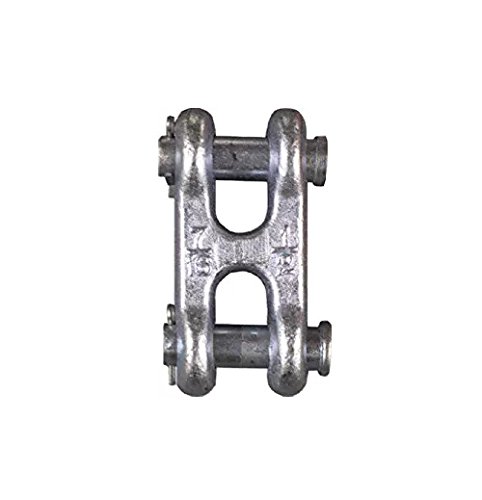
Figure 1: An image showing the Stanley N830-311 Double Clevis Link, a zinc-plated steel component designed for connecting two chains. This image illustrates the general appearance and structure of the clevis link.
4. Operating Instructions
Once the Stanley N830-311 Double Clevis Link is securely installed, it is ready for use in connecting two chains for pulling, towing, or securing applications.
- Load Application: Apply load gradually and smoothly. Avoid sudden jerks or impacts, which can exceed the working load limit and cause failure.
- Load Distribution: Ensure the load is distributed evenly across the clevis link and the connected chains.
- Environmental Conditions: Be aware of environmental factors such as extreme temperatures, corrosive environments, or abrasive conditions that may affect the performance and lifespan of the link.
- Regular Checks: During operation, periodically check the clevis link and chain connections for any signs of loosening, deformation, or damage.
5. Maintenance
Proper maintenance extends the life of your Stanley N830-311 Double Clevis Link and ensures safe operation.
- Inspection: Regularly inspect the clevis link for any signs of wear, corrosion, cracks, bends, or other damage. Pay close attention to the clevis body, pins, and pin retention mechanisms.
- Cleaning: Clean the clevis link periodically to remove dirt, debris, and corrosive substances. A mild detergent and water can be used, followed by thorough drying.
- Lubrication: While not strictly required for this type of link, light lubrication of the pins can prevent rust and ease assembly/disassembly, especially in harsh environments.
- Storage: Store the clevis link in a dry, clean environment away from corrosive chemicals and extreme temperatures when not in use.
- Replacement: If any damage or excessive wear is observed, immediately remove the clevis link from service and replace it with a new, undamaged component. Do not attempt to repair damaged links.
6. Troubleshooting
This section addresses common issues you might encounter with the Stanley N830-311 Double Clevis Link.
- Issue: Pins are difficult to remove or insert.
Solution: Check for dirt or debris obstructing the pinholes. Clean the pins and clevis thoroughly. If there is visible deformation, the link may be damaged and should be replaced. A light lubricant can also assist. - Issue: Clevis link appears bent or deformed.
Solution: This indicates the link has been subjected to excessive load or impact. Immediately remove the link from service and replace it. Do not attempt to straighten or reuse a deformed link. - Issue: Visible rust or corrosion.
Solution: While zinc-plated for corrosion resistance, prolonged exposure to harsh conditions can lead to rust. Clean the affected areas. If corrosion is severe and compromises the structural integrity, replace the link. - Issue: Chains are not seating properly in the clevis.
Solution: Ensure the chain links are of the correct size (compatible with 5/8" clevis). Check for any foreign objects or deformation in the clevis slots or chain links.
7. Specifications
Key technical specifications for the Stanley N830-311 Double Clevis Link:
| Feature | Specification |
|---|---|
| Brand | STANLEY |
| Model Number | N830-311 |
| Material | Alloy Steel, Zinc Plated |
| Size | 5/8" |
| Pin Type | Clevis |
| Number of Pieces | 1 |
| Item Weight | 2 Pounds |
| Item Dimensions (L x W x H) | 5.8 x 4.8 x 2.1 inches |
| GTIN / UPC | 886780010152 |
| Included Components | Aligning pins |
| Grade | Meets Grade 70 specifications |
| Application | Industrial and construction chain connections |
| Warning | Not designed for over-head lifting |
8. Warranty and Support
For specific warranty information regarding your Stanley N830-311 Double Clevis Link, please refer to the documentation provided with your purchase or contact STANLEY directly through their official website or customer service channels.
If you require further assistance, have questions about product application, or need to report a defect, please reach out to STANLEY customer support. Always provide the model number (N830-311) and any relevant purchase details when contacting support.