
Introduction
This manual provides comprehensive instructions for the use and care of your ELEOPTION 50ML Aluminum Alloy Paint Density Cup. This precision instrument is designed for accurately determining the density of liquids, which is crucial for converting weight to a unit of volume in various applications. Understanding and correctly measuring liquid density is fundamental for many processes.
The density cup features a precision-engineered design with a small hole in the lid, allowing excess liquid and air to escape, ensuring a consistent and accurate fill volume.
Setup
- Unpacking: Carefully remove the density cup and its components from the packaging. Inspect for any signs of damage during transit.
- Initial Cleaning: Before first use, thoroughly clean the density cup with a suitable solvent that will not react with the aluminum alloy, followed by rinsing with distilled water. Ensure it is completely dry before proceeding.
- Temperature Stabilization: For accurate measurements, ensure both the density cup and the liquid to be measured are at a stable, known temperature, typically 4°C (39.2°F) as per ISO standard for the 50ml capacity, or the specified temperature for your application.
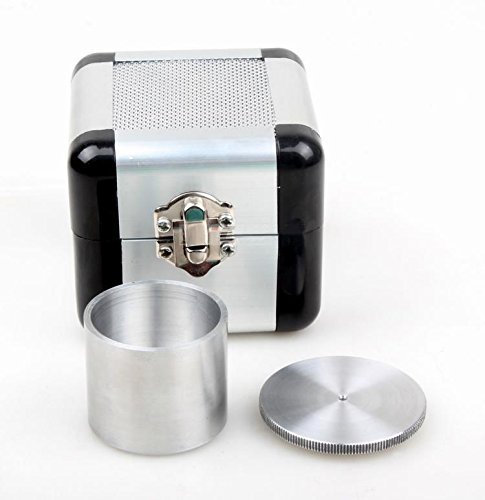
Image: The ELEOPTION 50ML Aluminum Alloy Paint Density Cup housed within its protective case, with the case lid open, showing the cup ready for use or storage.
Operating Instructions
Follow these steps for accurate liquid density determination:
- Weigh the Empty Cup: Using a precision balance, weigh the clean, dry density cup with its lid. Record this weight as W1.
- Fill with Liquid: Carefully fill the density cup with the liquid to be measured. Ensure the liquid is at the desired measurement temperature.
- Place the Lid: Slowly place the lid onto the cup. Excess liquid and air will escape through the small hole in the lid. Gently wipe away any overflow from the exterior of the cup. Ensure no air bubbles are trapped inside.
- Weigh the Full Cup: Weigh the filled density cup with its lid on the precision balance. Record this weight as W2.
- Calculate Density: The density of the liquid can be calculated using the following formula:
Density (ρ) = (W2 - W1) / Volume
Where:- W1 = Weight of the empty cup
- W2 = Weight of the cup filled with liquid
- Volume = Capacity of the density cup (50 ml for this model)
For example, if W1 = 50.00g, W2 = 100.00g, and Volume = 50ml, then Density = (100.00g - 50.00g) / 50ml = 1.00 g/ml.
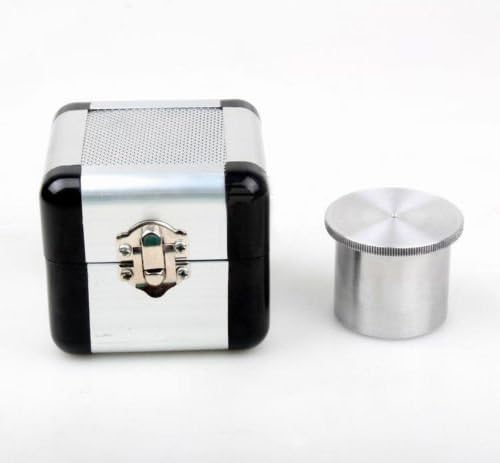
Image: The ELEOPTION 50ML Aluminum Alloy Paint Density Cup positioned next to its closed protective case, illustrating the separate components.
Maintenance
- Cleaning After Use: Immediately after each use, clean the density cup thoroughly with an appropriate solvent and rinse with distilled water. Ensure all liquid residues are removed to prevent contamination or corrosion.
- Drying: Dry the cup completely, inside and out, before storage. Air drying or using a lint-free cloth is recommended.
- Storage: Store the density cup in its protective case in a clean, dry environment to prevent dust accumulation and physical damage. Avoid extreme temperatures or humidity.
- Inspection: Periodically inspect the cup for any signs of wear, scratches, or damage that could affect its accuracy. Handle with care to maintain its precision.
Troubleshooting
- Inaccurate Readings:
- Air Bubbles: Ensure no air bubbles are trapped when placing the lid. Tap the cup gently or tilt slightly to release bubbles before sealing.
- Temperature Variation: Verify that the liquid and cup are at a stable, consistent temperature during measurement. Significant temperature fluctuations can affect density.
- Incomplete Cleaning: Residues from previous measurements can alter the cup's weight or volume. Always ensure thorough cleaning and drying.
- Balance Calibration: Ensure your precision balance is properly calibrated before weighing.
- Liquid Overflow Issues: If liquid consistently overflows excessively when placing the lid, ensure the cup is not overfilled initially. The design allows for a small amount of overflow to ensure complete filling.
Specifications
| Item Model Number | 50ML |
| Material | Aluminum Alloy |
| Capacity | 50 Milliliters (at 4°C) |
| Error Margin | ±0.7 ml (for 50ml capacity) |
| ASIN | B01M4NJFQX |