
1. Introduction
This manual provides instructions for the Pet Control HQ Extra Underground Dog Fence Wire, a durable 984ft, 20AWG wire designed to extend or establish an in-ground pet containment system. This wire acts as an antenna, transmitting signals from your fence transmitter to your pet's collar receiver, creating a safe and defined boundary. Its robust construction ensures reliable performance in various environmental conditions.

Image 1.1: The Pet Control HQ 984ft 20AWG underground dog fence wire, shown on a spool with exposed copper ends, ready for installation.
2. Setup and Installation
Proper installation of the boundary wire is crucial for the effective operation of your pet containment system. This wire is designed to be buried or installed above ground, depending on your system's requirements and local regulations.
2.1 Planning Your Boundary
- Determine the Area: Carefully plan the perimeter where you want to contain your pet. Consider obstacles, property lines, and desired safe zones.
- Measure Requirements: Use the provided wire sizing guide (refer to Image 2.1) to estimate the total length of wire needed for your desired coverage area. This 984ft (approximately 300 meters) spool is suitable for extending existing systems or creating new boundaries up to 1 acre.

Image 2.1: Wire Sizing Guide. This table helps estimate the amount of wire required based on the area to be fenced.
2.2 Wire Placement
- Trenching (for buried installation): Dig a shallow trench (typically 1-3 inches deep) along your planned boundary. Ensure the trench is free of sharp objects that could damage the wire.
- Laying the Wire: Carefully lay the 20AWG wire along the trench. The wire's flexibility allows it to be shaped to any area, accommodating intricate layouts.
- Connecting to Transmitter: Connect both ends of the boundary wire to your compatible fence transmitter according to the transmitter's specific instructions. Ensure secure, corrosion-resistant connections.
- Testing the System: Before backfilling, test the entire system to ensure the signal is transmitting correctly and the collar receivers are activating at the desired boundary.
- Securing the Wire: For buried installations, backfill the trench, ensuring the wire is protected. For above-ground installations, secure the wire using landscape staples or similar fasteners, ensuring it is not a tripping hazard and is protected from damage.

Image 2.2: Hands demonstrating the process of burying the green dog fence wire in the ground, ensuring it is properly laid along the boundary.

Image 2.3: An aerial view illustrating how the flexible wire can be easily bent and shaped to create a custom containment area around a house and yard.
3. Operating Principles
The Pet Control HQ Extra Underground Dog Fence Wire functions as the critical signal carrier for your pet containment system. When connected to a compatible transmitter, it creates an electromagnetic field along its path.
- Signal Transmission: The wire effectively relays the radio signal from the transmitter. This signal forms the invisible boundary that your pet's collar receiver detects.
- Boundary Detection: As your pet approaches the boundary wire, their collar receiver detects the increasing signal strength and activates, typically with an audible warning tone, followed by a static correction if they proceed further.
- Consistent Containment: The robust insulation and solid copper core ensure a strong and consistent signal, providing reliable containment for your pet within the designated area.

Image 3.1: Detail of the heavy-duty 20 AWG solid copper wire, emphasizing its robust construction and ability to withstand various weather conditions.

Image 3.2: Illustrates the strong signal maintained by the wire, keeping dogs within their designated safe area.
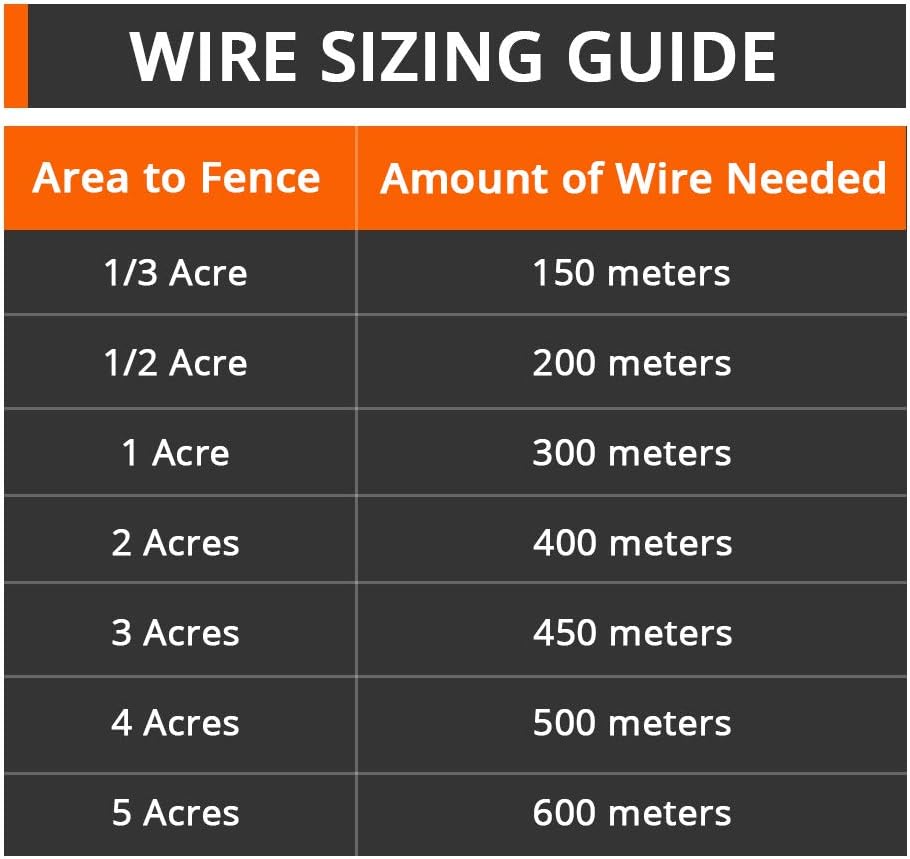
Image 3.3: A dog safely contained within the boundary created by the underground wire, allowing it room to run without escaping.
4. Maintenance
The Pet Control HQ Extra Underground Dog Fence Wire is designed for minimal maintenance due to its durable construction.
- Regular Inspection: Periodically inspect the visible portions of the wire (if any) for signs of damage, such as cuts or fraying.
- Connection Checks: Ensure that the wire connections to the transmitter remain secure and free from corrosion.
- Environmental Protection: The wire's heavy-duty materials and robust insulation are resistant to sunlight, moisture, ground rot, and corrosion, making it suitable for North American climates. No special treatment is typically required for environmental protection.
5. Troubleshooting
If your pet containment system is not functioning as expected, the boundary wire may be a factor.
- No Signal or Weak Signal:
- Check all connections to the transmitter to ensure they are tight and free of corrosion.
- Inspect the entire length of the wire for breaks or damage. A break in the wire will interrupt the signal.
- Ensure the wire is not too close to other electrical lines or large metal objects that could interfere with the signal.
- Intermittent Signal:
- This could indicate a partial break or a loose connection. Carefully re-examine the wire and connections.
- Environmental factors like heavy rain or ground saturation typically do not affect this wire due to its weather-resistant design, but extreme conditions could highlight existing weaknesses.
- Wire Break Detection: Many fence transmitters have a wire break indicator. Consult your transmitter's manual for specific instructions on how to identify and locate a wire break. Repair kits are available for splicing broken wires.
6. Specifications
| Feature | Detail |
|---|---|
| Model Number | 2O-ISKU-86WD |
| Wire Length | 984 feet (approx. 300 meters) |
| Wire Gauge | 20 AWG (American Wire Gauge) |
| Conductor Material | Solid Copper |
| Insulation Material | High-strength Polymer |
| Durability | Resistant to sunlight, moisture, ground rot, corrosion |
| Weather Resistance | Designed for North American climates |
| Item Weight | 2.2 pounds |
| Product Dimensions (LxWxH) | 4.33 x 2.76 x 4.33 inches (spool dimensions) |
| Manufacturer | Pet Control HQ |
7. Warranty and Support
For information regarding warranty coverage or technical support, please contact Pet Control HQ directly. The standard return policy for this product is 30 days for refund or replacement.
You can visit the official Pet Control HQ store for more information and contact details: Pet Control HQ Store.