
1. Product Overview
The GSC International 000-107 Cover Glass is a high-quality borosilicate glass component designed for various laboratory applications. It features fire-polished edges for enhanced durability and safety, and a concave shape. With a diameter of 65mm, it is suitable for covering specimens or samples in scientific experiments and educational settings.
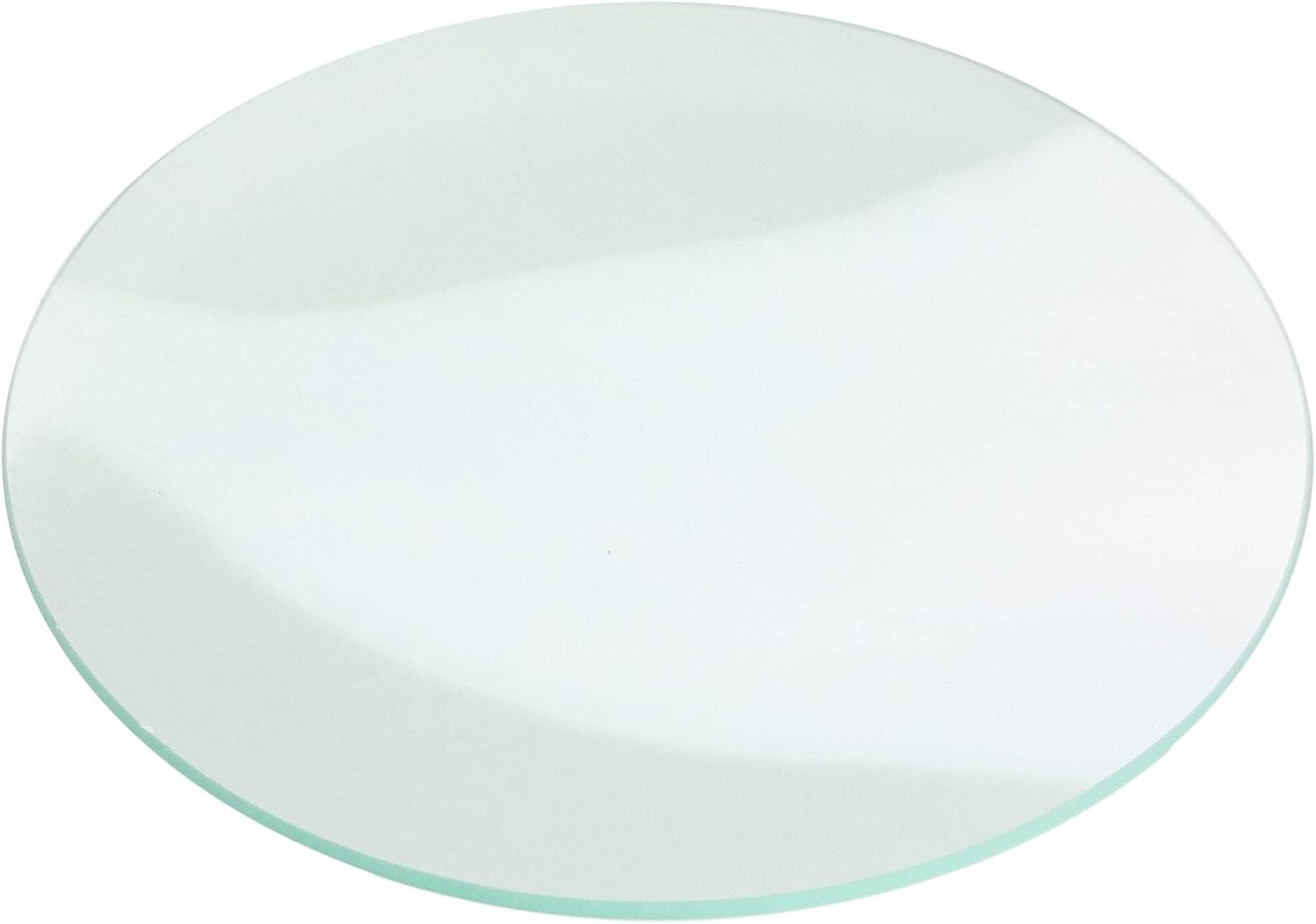
Image 1: GSC International 000-107 Cover Glass. This image displays the clear, circular borosilicate cover glass with its smooth, fire-polished edge, indicating its 65mm diameter.
Key Features:
- Borosilicate glass construction for chemical resistance and thermal stability.
- Fire-polished edges to minimize chipping and enhance user safety.
- Concave shape for specific experimental requirements.
- 65mm diameter, providing ample coverage for various samples.
- Resists cracking from temperature changes, ensuring longevity.
- Essential tool for science education and laboratory work.
2. Safety Information
Handle all glass products with care to prevent breakage and injury. Although the edges are fire-polished, sharp edges can still occur if the glass breaks. Always wear appropriate personal protective equipment (PPE), such as safety glasses and gloves, when handling laboratory glassware.
- Inspection: Before each use, inspect the cover glass for any chips, cracks, or imperfections. Do not use damaged glass.
- Handling: Hold the cover glass by its edges to avoid fingerprints and contamination.
- Temperature: While borosilicate glass resists temperature changes, avoid sudden and extreme thermal shocks which can lead to breakage.
- Disposal: Dispose of broken or chipped glass in designated sharps containers according to laboratory safety protocols and local regulations.
- Proposition 65 Warning: This product may contain chemicals known to the State of California to cause cancer and birth defects or other reproductive harm. For more information, visit www.P65Warnings.ca.gov.
3. Setup and Preparation
Before using the cover glass, ensure it is clean and free from contaminants to prevent interference with experimental results.
- Unpacking: Carefully remove the cover glass from its packaging.
- Cleaning: Wash the cover glass with a mild laboratory detergent and rinse thoroughly with distilled or deionized water.
- Drying: Allow the cover glass to air dry in a dust-free environment or gently wipe with a lint-free cloth.
- Sterilization (Optional): If sterilization is required for your application, follow standard laboratory sterilization procedures (e.g., autoclaving, dry heat sterilization) appropriate for borosilicate glass.
4. Operating Instructions
The GSC International 000-107 Cover Glass is typically used to cover samples or as a watch glass for various laboratory procedures.
As a Cover for Samples:
- Place the sample or solution in a suitable container (e.g., beaker, petri dish).
- Carefully place the 65mm cover glass over the opening of the container to prevent evaporation, contamination, or to create a micro-environment.
- Ensure the cover glass is stable and does not easily slide off.
As a Watch Glass:
- Can be used for weighing small amounts of solids.
- Suitable for evaporating liquids from samples.
- Ideal for holding small amounts of chemicals or solutions.
- Can serve as a cover for beakers during heating to prevent splattering.
5. Maintenance and Storage
Proper maintenance and storage will extend the lifespan of your cover glass and ensure its continued accuracy and safety.
- Cleaning: After each use, clean the cover glass as described in the "Setup and Preparation" section. Remove all residues to prevent cross-contamination.
- Drying: Ensure the glass is completely dry before storage.
- Storage: Store cover glasses in a clean, dry, and secure location, preferably in a dedicated container or drawer to prevent scratching or breakage. Avoid stacking them directly without protective interleaving material.
- Inspection: Regularly inspect stored cover glasses for any signs of damage.
6. Troubleshooting
This section addresses common issues encountered with laboratory cover glasses.
| Problem | Possible Cause | Solution |
|---|---|---|
| Glass appears cloudy or smudged. | Residue from previous use, improper cleaning, or fingerprints. | Thoroughly clean with laboratory detergent and rinse with distilled water. Use a lint-free cloth for drying. |
| Glass breaks easily. | Physical impact, thermal shock, or existing micro-cracks. | Handle with care, avoid dropping or striking. Prevent sudden temperature changes. Inspect for damage before use. Dispose of broken glass safely. |
| Contamination of samples. | Improper cleaning, dust in storage, or handling with bare hands. | Ensure thorough cleaning and drying. Store in a dust-free environment. Always use gloves when handling. |
7. Specifications
Detailed technical specifications for the GSC International 000-107 Cover Glass.
| Attribute | Detail |
|---|---|
| Model Number | 000-107 |
| Brand | GSC International |
| Material | Borosilicate Glass |
| Edge Type | Fire-Polished |
| Shape | Concave |
| Diameter | 65mm |
| Color | Clear |
| Item Weight | 3.5 ounces |
| Product Dimensions | 3 x 3 x 3 inches (packaging/shipping dimensions, actual glass is 65mm diameter) |
| Manufacturer Part Number | 000-107 |
8. Disposal
Proper disposal of laboratory glassware is crucial for safety and environmental protection.
- Intact Glass: If the cover glass is intact but no longer needed, it should be cleaned and recycled if local facilities accept laboratory glass. Otherwise, dispose of it as general laboratory waste, clearly marked as glass.
- Broken Glass: Immediately place all broken or chipped glass into a designated sharps container. Never dispose of broken glass in regular trash bins.
- Contaminated Glass: If the glass has been contaminated with hazardous biological, chemical, or radioactive materials, follow specific laboratory protocols for decontamination and disposal of hazardous waste.
- Always consult your institution's safety officer or waste management guidelines for specific disposal procedures.
9. Contact and Support
For further assistance, inquiries, or to learn more about GSC International products, please visit the official GSC International store or contact their customer support.
- GSC International Store: Visit the GSC International Store on Amazon
- Manufacturer: GSC International
Note: Warranty information is not provided in the product details. Please contact GSC International directly for any warranty-related queries.