
1. Product Overview
This manual provides essential information for the proper use and application of the Southwire 18/2 Thermostat Wire. This wire is designed for low-voltage applications, primarily in HVAC systems, alarm systems, and other control circuits.
The Southwire 18/2 Thermostat Wire is an 18 gauge, 2 conductor wire, typically used for transmitting low voltage signals to control devices. It is suitable for applications such as controlling relays, powering transformers, and sending 24-volt signals from thermostats to activate or deactivate air conditioning units or furnaces. It can also be utilized in home automation and home alarm systems.

Figure 1: Southwire 18/2 Thermostat Wire showing the brown jacket and two internal conductors (red and white). This image illustrates the wire's construction, with the outer insulation stripped back to reveal the individual insulated copper wires.
2. Key Features
- Gauge: 18 AWG (American Wire Gauge) for optimal signal transmission in low-voltage circuits.
- Conductors: 2 solid copper conductors, ensuring reliable electrical conductivity.
- Insulation: 60°C PVC brown jacket with polypropylene insulation for durability and ease of stripping.
- Sunlight Resistant: Designed to withstand exposure to sunlight, suitable for various installation environments.
- Voltage Rating: Maximum 30V load. Important: Not to be used in high voltage applications.
- Origin: Manufactured in the U.S.A.
- Compatibility: Compatible replacement for various brands including CERRO, Honeywell, CCI, Coleman Cable, Baron, and Lightyear.
3. Specifications
| Specification | Value |
|---|---|
| Item Model Number | 18/2_StatWire_100ft |
| Gauge | 18 AWG |
| Number of Conductors | 2 |
| Material | Solid Copper |
| Jacket Color | Brown |
| Maximum Voltage | 30V |
| Insulation Temperature Rating | 60°C |
| Item Weight | 4 ounces (for 100 ft) |
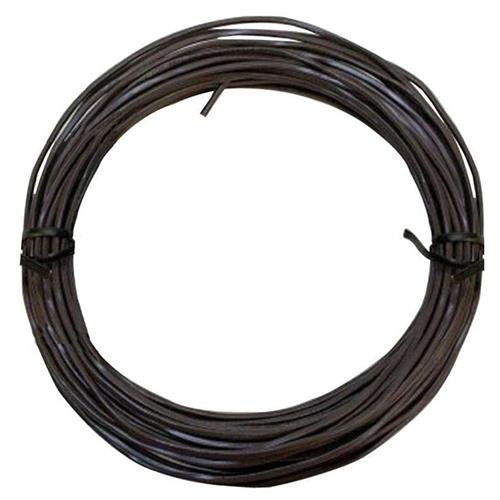
Figure 2: A coil of Southwire 18/2 Thermostat Wire. This image shows the wire as it might be supplied, coiled for easy handling and storage.
4. Installation and Setup
This wire is intended for low-voltage applications only. Always consult local electrical codes and regulations before beginning any wiring project. If you are unsure about any aspect of the installation, it is recommended to consult a qualified electrician or HVAC technician.
4.1 Safety Precautions
- Verify Voltage: Ensure that the circuit you are working with is low voltage (30V maximum). This wire is not designed for high voltage (e.g., 120V/240V AC) applications.
- Disconnect Power: Always turn off power to the circuit at the main breaker or fuse box before installing or servicing any wiring. Verify with a voltage tester.
- Proper Tools: Use appropriate wire strippers, cutters, and connectors for 18 AWG wire.
- Insulation Integrity: Ensure the wire's insulation remains intact during and after installation to prevent short circuits.
4.2 General Installation Steps
- Plan Your Route: Determine the path the wire will take from the control device (e.g., thermostat) to the controlled equipment (e.g., HVAC unit).
- Measure and Cut: Measure the required length of wire, adding a small allowance for connections. Cut the wire cleanly.
- Strip Insulation: Carefully strip approximately 1/2 inch to 3/4 inch of the outer brown jacket and the individual conductor insulation from each end of the wire, exposing the copper strands.
- Connect Wires: Connect the exposed copper conductors to the appropriate terminals on your thermostat, control board, or other low-voltage devices. Ensure secure connections.
- Secure Wiring: Use wire staples or clips to secure the wire along its path, preventing damage or accidental dislodgement.
- Test System: Once all connections are made and secured, restore power and test the functionality of the system.
5. Operating Principles
The Southwire 18/2 Thermostat Wire functions as a conduit for low-voltage electrical signals. In HVAC systems, for example, it transmits signals from the thermostat to the furnace or air conditioner to initiate heating or cooling cycles. The two conductors allow for simple on/off control or basic communication between devices.
Typical applications include:
- Connecting a thermostat to an HVAC control board.
- Wiring doorbells or chime systems.
- Establishing connections for home alarm system sensors or control panels.
- General low-voltage remote control circuits.
The wire's solid copper conductors ensure minimal signal loss over typical residential and light commercial distances for these applications.
6. Maintenance
Thermostat wire generally requires minimal maintenance once properly installed. However, periodic inspection can help ensure long-term reliability.
- Visual Inspection: Periodically check exposed sections of the wire for any signs of physical damage, such as cuts, abrasions, or kinks.
- Insulation Integrity: Ensure the outer brown jacket and internal conductor insulation remain intact. Damaged insulation can lead to short circuits or signal degradation.
- Connection Points: Verify that all wire connections at terminals are secure and free from corrosion. Loose connections can cause intermittent operation.
- Environmental Factors: While sunlight resistant, avoid prolonged exposure to extreme temperatures or harsh chemicals that could degrade the wire's jacket.
If any damage is observed, disconnect power to the circuit immediately and replace the damaged section of wire or repair the connection as necessary.
7. Troubleshooting
Most issues related to thermostat wire involve improper installation or physical damage. Here are common troubleshooting steps:
7.1 No Signal / Intermittent Operation
- Check Power: Ensure the low-voltage transformer or power source for the control circuit is functioning correctly and providing the expected voltage (e.g., 24V AC for HVAC).
- Verify Connections: Turn off power and re-check all wire connections at both ends of the run. Ensure wires are securely fastened to terminals and no stray strands are causing shorts.
- Inspect Wire for Damage: Look for any visible cuts, pinches, or severe bends in the wire that could indicate a break in the conductor or damaged insulation.
- Continuity Test: If you have a multimeter, perform a continuity test on each conductor to ensure there are no breaks in the wire itself.
7.2 Short Circuit
- Blown Fuse/Tripped Breaker: A short circuit in a low-voltage system can sometimes blow a fuse in the control board or transformer.
- Inspect Insulation: A short typically occurs when the insulation of two conductors touches, or a conductor touches a grounded surface. Carefully inspect the wire, especially at connection points and where it passes through walls or metal conduits, for damaged insulation.
- Re-strip and Re-connect: If insulation is damaged at a connection, re-strip the wire and make a fresh, secure connection.
If troubleshooting does not resolve the issue, consider replacing the section of wire or consulting a professional.
8. Warranty and Support
Southwire products are manufactured to high standards. For specific warranty information regarding your 18/2 Thermostat Wire, please refer to the official Southwire website or contact their customer support directly. General product information and support resources can be found via the following link:
Visit the Official Southwire Store on Amazon
When contacting support, please have your product model number (18/2_StatWire_100ft) and purchase details available.