
1. Product Overview
This manual provides essential information for the installation, operation, and maintenance of your DB Electrical SLU0005 starter motor. This unit is designed as a direct replacement for original equipment in various Massey Ferguson tractor models, ensuring reliable starting performance.
The starter motor features a 12-volt system, 10 teeth, and a 2.8 KW power output, with a clockwise rotation. It is a Direct Drive (DD) starter type.
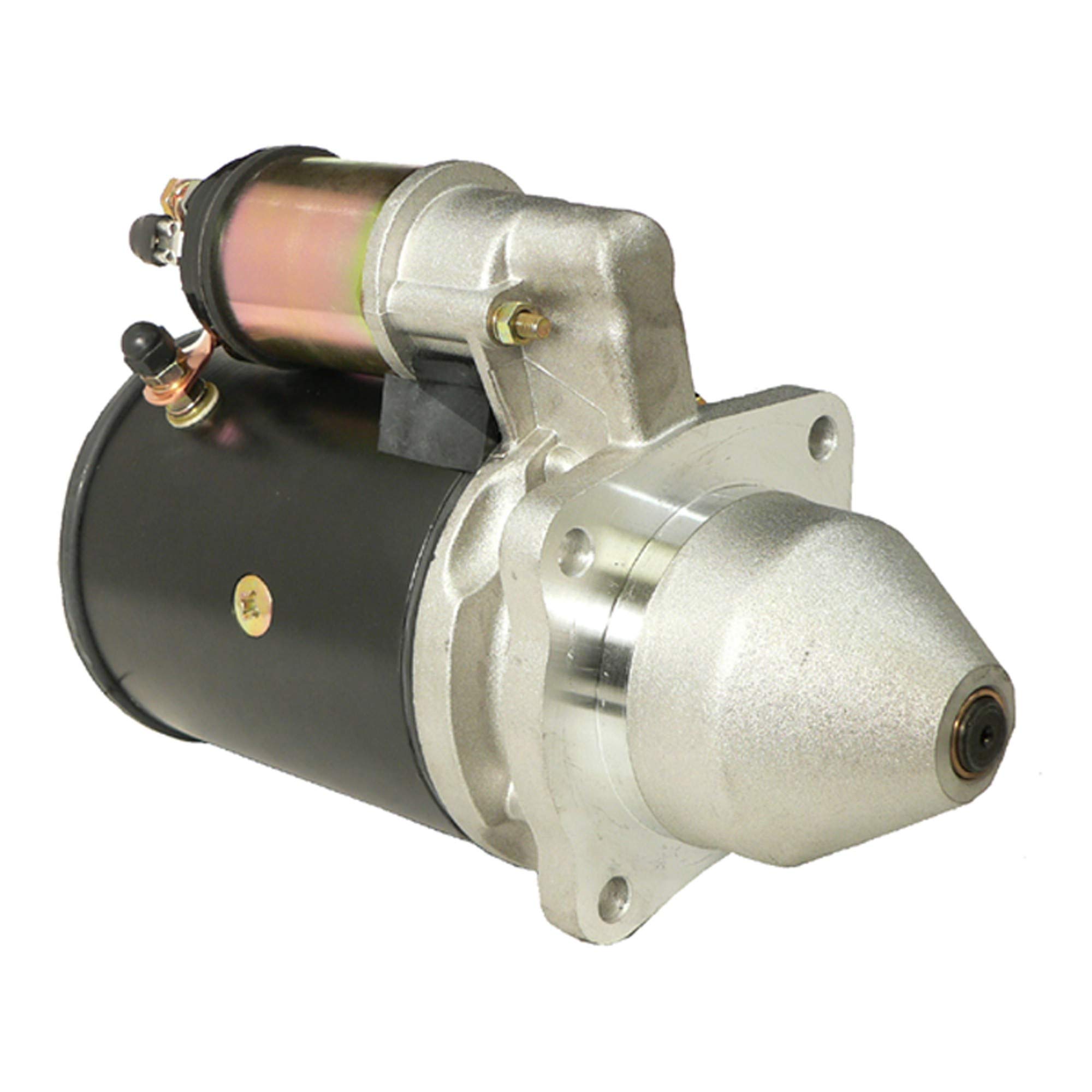
Figure 1: Front view of the DB Electrical SLU0005 Starter Motor.
2. Safety Information
Always prioritize safety when working with electrical components and heavy machinery. Failure to follow safety precautions can result in serious injury or damage to equipment.
- Disconnect the battery's negative terminal before beginning any work on the electrical system.
- Wear appropriate personal protective equipment (PPE), including safety glasses and gloves.
- Ensure the vehicle is stable and secured before working underneath it.
- Refer to your vehicle's service manual for specific safety procedures and torque specifications.
3. Installation Guide
This section outlines the general steps for installing the DB Electrical SLU0005 starter motor. Specific procedures may vary based on your tractor model. Always consult your vehicle's service manual for detailed instructions.
3.1 Preparation
- Park the tractor on a level surface and engage the parking brake.
- Turn off the engine and remove the ignition key.
- Disconnect the negative (-) battery cable, followed by the positive (+) battery cable.
- Locate the existing starter motor.
3.2 Removal of Old Starter
- Carefully disconnect all electrical wires from the old starter motor. Note their positions for reinstallation.
- Remove the mounting bolts securing the starter motor to the engine block.
- Gently remove the old starter motor from its mounting position.
3.3 Installation of New Starter
- Position the new DB Electrical SLU0005 starter motor into the mounting location.
- Secure the starter motor with the mounting bolts. Tighten to the manufacturer's specified torque.
- Reconnect the electrical wires to the new starter motor, ensuring correct polarity and secure connections.
- Reconnect the positive (+) battery cable, then the negative (-) battery cable.

Figure 2: View of the starter motor's gear (bendix) end, which engages with the engine's flywheel.
4. Operation
The starter motor is responsible for cranking the engine to initiate combustion. Proper operation involves understanding the starting sequence.
- Ensure the transmission is in neutral or park and the parking brake is engaged.
- Insert the ignition key and turn it to the 'START' position.
- The starter motor will engage the engine's flywheel, causing the engine to crank.
- Once the engine starts, release the key, and it will return to the 'RUN' position.
- Avoid prolonged cranking (more than 10-15 seconds) to prevent overheating the starter motor. Allow a brief cool-down period between attempts if the engine does not start immediately.
5. Maintenance
Regular inspection and basic maintenance can extend the life of your starter motor and ensure reliable performance.
- Battery Condition: Ensure your battery is fully charged and in good condition. A weak battery can strain the starter motor.
- Cable Connections: Periodically check all electrical connections to the starter motor and battery for tightness and corrosion. Clean any corrosion with a wire brush and battery terminal cleaner.
- Mounting Bolts: Verify that the starter motor mounting bolts remain securely tightened.
- Visual Inspection: Look for any signs of physical damage, loose wires, or excessive dirt buildup on the starter motor.
6. Troubleshooting
If you experience issues with your starter motor, consult the following troubleshooting guide. For complex problems, professional assistance is recommended.
| Symptom | Possible Cause | Solution |
|---|---|---|
| Engine does not crank or cranks slowly | Weak or dead battery | Charge or replace battery. Check battery terminals for corrosion. |
| Clicking sound, but no crank | Low battery charge, faulty starter solenoid, or loose connections | Check battery and connections. Inspect starter solenoid for proper function. |
| Starter spins but engine does not crank | Faulty bendix drive (starter drive) | The bendix drive may need replacement. This typically requires starter motor replacement. |
| Grinding noise during start | Damaged starter gear or flywheel teeth | Inspect starter gear and flywheel. Replacement of damaged components is necessary. |
7. Specifications
| Specification | Value |
|---|---|
| Unit Type | Starter |
| Rotation | CW (Clockwise) |
| Tooth Count | 10 |
| Voltage | 12 Volts |
| KW | 2.8 KW |
| Starter Type | DD (Direct Drive) |
| Item Model Number | 410-30024 |
| Product Dimensions (L x W x H) | 12.4 x 5.5 x 7.5 inches |
| Item Weight | 28.1 pounds |
| Material | Metal |
8. Warranty Information
This DB Electrical starter motor comes with a 1-year warranty from the date of purchase. This warranty covers defects in materials and workmanship under normal use. If the product fails due to a manufacturing defect within this period, DB Electrical will replace it.
For warranty claims or assistance, please contact customer support with your proof of purchase.
9. Support
For further assistance, technical questions, or to report an issue, please refer to the contact information provided by your retailer or visit the official DB Electrical website.
Online Resources: DB Electrical Store on Amazon
10. Product Video
Video 1: Overview of Starter Motor & Bendix components. This video provides a visual guide to the parts and functions of a starter motor and its bendix drive.